
Snake owners often experience concern when their pet refuses a meal. Unlike mammals, snakes naturally go through periods of fasting, but prolonged refusal can signal underlying issues. Understanding the difference between normal behavior and potential health problems is essential for responsible reptile care. A snake’s appetite depends on species, age, environment, and overall well-being. This guide explores the most frequent reasons behind feeding refusal and provides practical, science-backed strategies to encourage healthy eating habits.
Understanding Normal Fasting Behavior
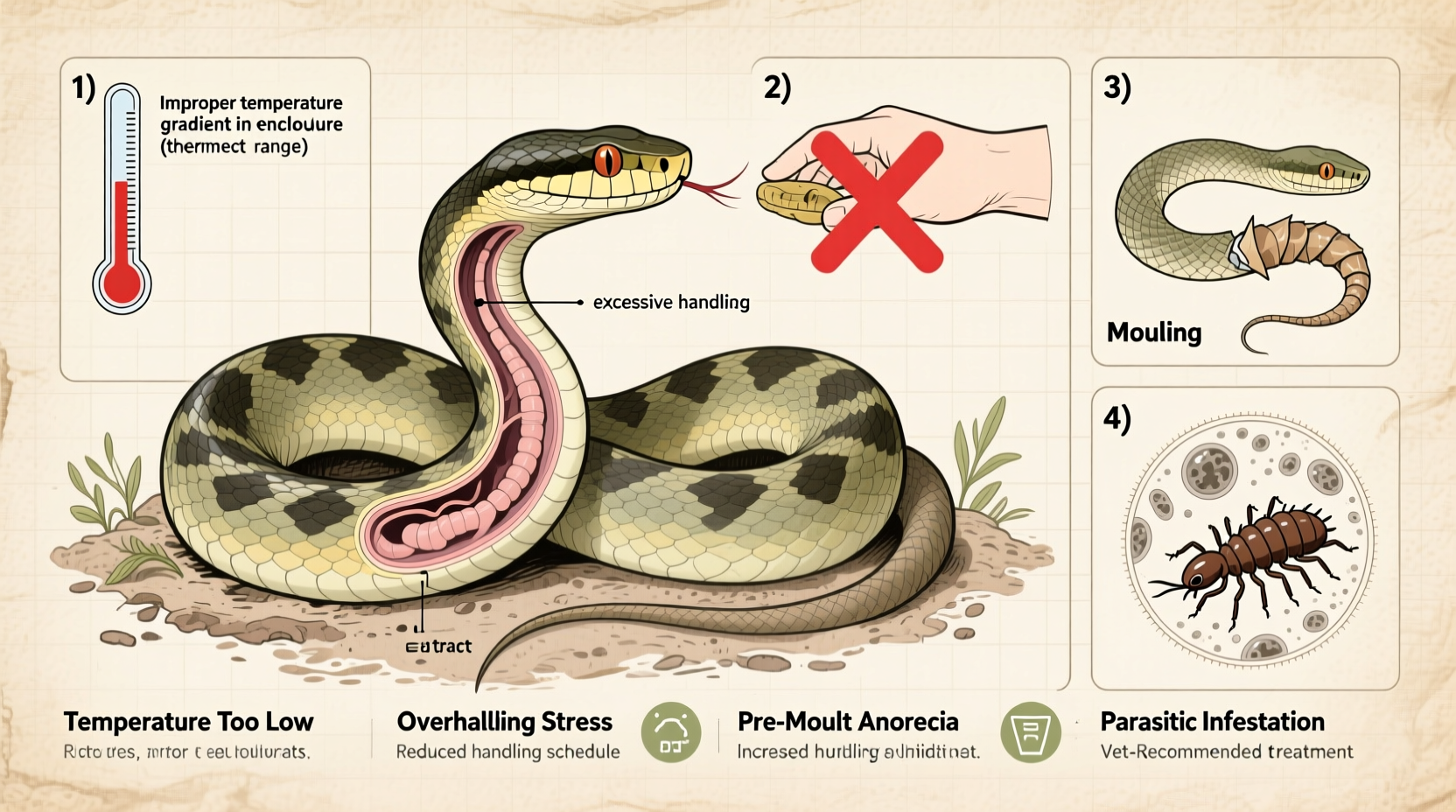
Before jumping to conclusions, it's important to recognize that many snakes fast for extended periods without harm. In the wild, meals are irregular, and captive snakes retain this instinct. Some species, like ball pythons, may stop eating for weeks or even months—especially during cooler seasons or breeding cycles. Juvenile snakes typically eat more frequently than adults, while mature individuals may only require food every 10–14 days.
Fasting isn't always a red flag. However, if your snake shows additional symptoms such as weight loss, lethargy, labored breathing, or abnormal skin condition, intervention may be necessary. The key is monitoring consistency: occasional skipped meals are normal; consistent refusal over several weeks is not.
Common Causes of Appetite Loss in Snakes
Multiple factors influence a snake’s willingness to eat. Some are environmental, others physiological. Identifying the root cause is crucial before attempting corrective measures.
1. Shedding Cycle (Ecdysis)
Snakes often stop eating 5–10 days before shedding. Their eyes turn cloudy, and their skin appears dull. During this phase, vision is impaired, making them feel vulnerable. Most resume feeding within a week after completing the shed. Offering food during this time usually results in refusal.
2. Improper Temperature or Humidity
Reptiles rely on external heat sources to digest food. If the enclosure is too cold, metabolism slows dramatically. Similarly, incorrect humidity levels can lead to incomplete sheds and discomfort, reducing feeding motivation. Each species has specific requirements—ball pythons need 75–80% humidity and a basking spot of 88–96°F (31–36°C), while corn snakes thrive at lower humidity (40–50%) with similar warmth.
3. Stress from Handling or Environment
Overhandling, loud noises, or a new enclosure can stress snakes. Relocation, cage mates, or nearby pets may trigger anxiety. Stress suppresses appetite and can persist for weeks if not addressed. Nocturnal species like boas and pythons are especially sensitive to daytime disturbances.
4. Seasonal Brumation or Breeding Behavior
Some colubrids (e.g., corn snakes, king snakes) undergo brumation—a hibernation-like state triggered by shorter daylight and cooler temperatures. Even in captivity, seasonal cues can prompt reduced activity and appetite. Males may also fast during breeding season due to hormonal shifts.
5. Illness or Parasites
Respiratory infections, mites, internal parasites, or gastrointestinal blockages can all cause anorexia. Signs include wheezing, mucus around the mouth, regurgitation, or visible lumps. These conditions require veterinary diagnosis and treatment.
“Many cases of feeding refusal stem from husbandry errors rather than disease. Always evaluate environment first.” — Dr. Susan Horton, DVM, Reptile Medicine Specialist
Solutions and Corrective Measures
Once you’ve ruled out natural fasting, implement targeted adjustments based on likely causes. Start with the least invasive changes and monitor progress over time.
Step-by-Step Guide to Encouraging Feeding
- Verify Environmental Parameters: Use digital thermometers and hygrometers to confirm accurate temperature gradients and humidity. Adjust heating elements or misting routines as needed.
- Reduce Disturbances: Minimize handling and noise near the enclosure. Place the tank in a quiet area away from foot traffic or bright lights.
- Adjust Prey Type or Presentation: Try switching from frozen-thawed mice to rats, or use scent transfer (rubbing prey with lizard or bird feathers). Some snakes respond better to live prey under supervision.
- Change Feeding Time: Offer food at night for nocturnal species. Cover the enclosure partially to simulate privacy.
- Try the “Pickle Jar” Method: Place the snake and thawed prey in a ventilated container (like a plastic tub) inside a warm room. The confined space can stimulate hunting instincts.
- Consult a Veterinarian: If no improvement occurs after 6–8 weeks—or if health declines—seek professional evaluation.
Tips for Specific Species
- Ball Pythons: Known for picky eating. Ensure hides are snug and secure. Use a thermal gradient with a warm hide over the heat mat.
- Corn Snakes: Often refuse food in winter. Simulate seasonal changes gradually if breeding is intended.
- Kingsnakes: May fast after shedding or during growth spurts. Monitor weight closely.
- Milk Snakes: Benefit from slightly cooler nighttime temps to stimulate appetite.
Checklist: What to Do When Your Snake Won’t Eat
Use this actionable checklist to systematically address feeding issues:
- ✅ Confirm the snake is not in pre-shed phase (cloudy eyes, dull skin)
- ✅ Check ambient and basking temperatures with calibrated devices
- ✅ Verify humidity levels match species requirements
- ✅ Assess hiding spots—are they secure and appropriately sized?
- ✅ Reduce handling and environmental stressors
- ✅ Try different prey types (size, species, scent)
- ✅ Change feeding method (tongs, bowl, cover box)
- ✅ Monitor body condition and weight weekly
- ✅ Rule out signs of illness (discharge, swelling, breathing issues)
- ✅ Schedule vet visit if fasting exceeds 2–3 months or weight drops significantly
Do’s and Don’ts Table
| Do | Don’t |
|---|---|
| Offer food in a quiet, private setting | Wave prey aggressively in front of the snake |
| Use tongs to wiggle prey gently, mimicking movement | Leave live prey unattended (risk of injury) |
| Keep detailed records of feeding attempts | Feed oversized prey items |
| Provide proper thermal gradients | House multiple snakes together (increases stress) |
| Consult a reptile-savvy vet when in doubt | Force-feed without medical guidance |
Real Example: Rescuing a Picky Ball Python
Mark adopted a young ball python from a local breeder. Initially enthusiastic, the snake stopped eating after two months. Despite offering large pinky mice and fuzzy rats, it showed no interest. Mark checked temperatures—he found the cool side was only 72°F, below the recommended minimum. He upgraded his thermostat and added a second digital thermometer.
After stabilizing the gradient (warm side at 89°F, cool at 78°F), he introduced a smaller hopper mouse and used the pickle jar method. On the third attempt, the snake struck and consumed the meal. Over the next six weeks, Mark gradually increased prey size and maintained consistent conditions. The snake resumed regular feeding every 10–12 days, gaining weight steadily.
This case highlights how subtle environmental flaws can disrupt feeding—even when other care appears adequate.
When to Seek Veterinary Help
While many appetite issues resolve with improved husbandry, some require medical attention. Persistent refusal combined with any of the following warrants a vet visit:
- Visible weight loss or muscle atrophy
- Discharge from nose or mouth
- Lethargy or inability to coil properly
- Regurgitation or vomiting after eating
- Presence of mites or skin lesions
A reptile veterinarian can perform fecal exams for parasites, run blood tests, and conduct imaging to detect impactions or infections. Early diagnosis improves outcomes significantly.
Frequently Asked Questions
How long can a snake go without eating?
Healthy adult snakes can safely fast for several weeks to months depending on species and condition. Younger snakes should not go longer than 2–3 weeks without food. Weight monitoring is critical—any loss exceeding 10% of body mass requires investigation.
Should I feed live or frozen-thawed prey?
Frozen-thawed prey is generally safer and more humane. Live rodents can injure snakes if not consumed quickly. However, some reluctant feeders only respond to live prey. If used, supervise closely and remove uneaten prey after 15–20 minutes.
Can I hand-feed my snake?
Hand-feeding is possible but increases the risk of accidental bites, especially during feeding response. Use feeding tongs to offer prey. Avoid touching the snake immediately before or after feeding to prevent associating hands with food.
Conclusion: Patience and Precision Lead to Success
A snake refusing to eat is rarely an emergency—but it is a call for careful observation and adjustment. Most cases stem from manageable factors like temperature imbalance, stress, or timing. By methodically evaluating habitat conditions, refining feeding techniques, and tracking progress, many owners successfully restore their snake’s appetite without medical intervention.
Remember, reptile care is a long-term commitment rooted in consistency and attention to detail. Every snake has its personality and rhythm. Respond with patience, avoid rushed decisions, and prioritize wellness over immediate results.




 浙公网安备
33010002000092号
浙公网安备
33010002000092号 浙B2-20120091-4
Comments
No comments yet. Why don't you start the discussion?