
Snakes are often admired for their quiet demeanor and low-maintenance care, but one of the most common concerns among reptile keepers is a sudden refusal to eat. While an occasional skipped meal can be normal, persistent anorexia—especially when accompanied by other symptoms—can signal underlying stress, environmental shifts, or serious health problems. Understanding the difference between natural feeding patterns and dangerous warning signs is essential for responsible snake ownership. This guide breaks down the most frequent causes of appetite loss, highlights critical red flags, and provides practical steps to support your snake’s well-being.
Understanding Normal Fasting Behavior in Snakes
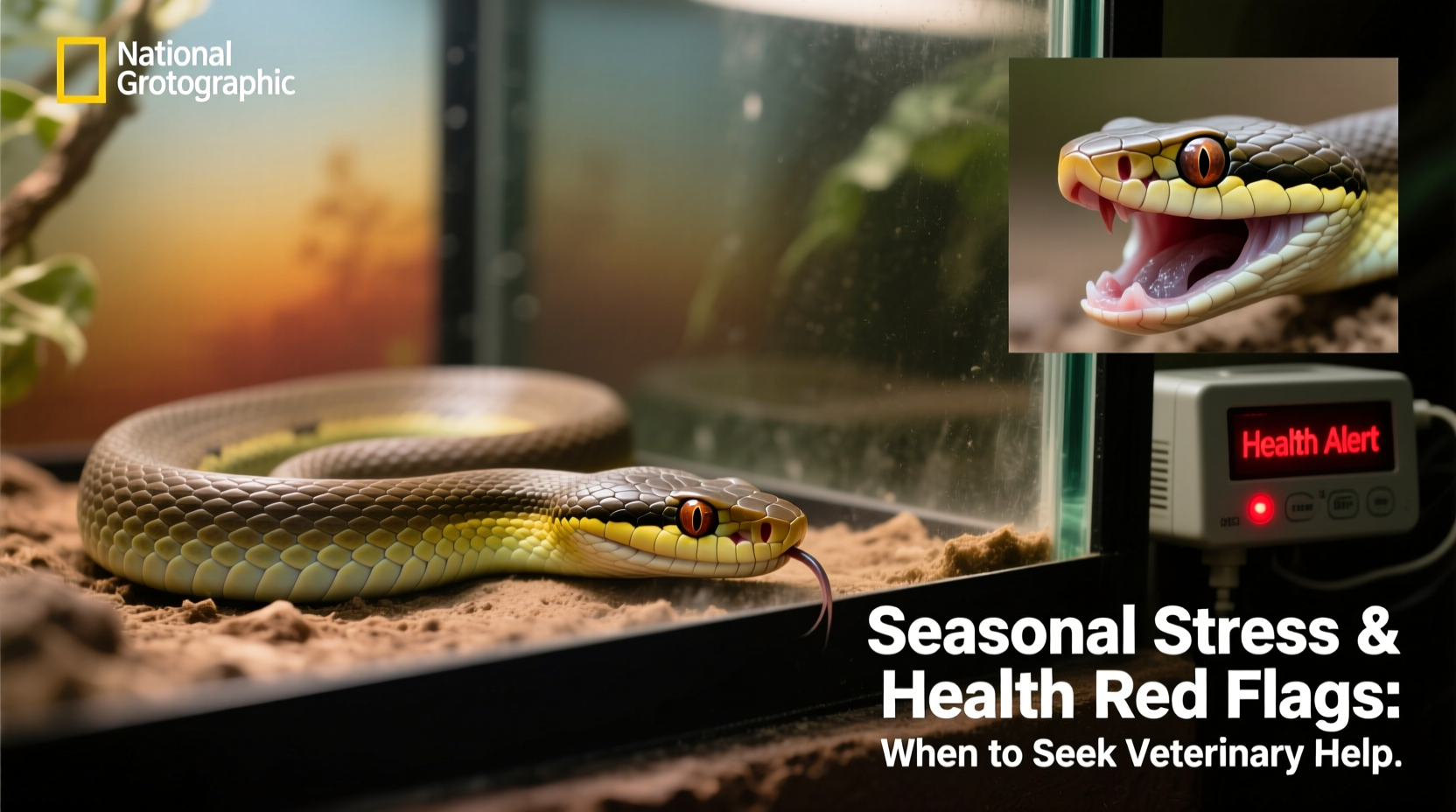
Before jumping to conclusions, it's important to recognize that many snakes naturally fast for extended periods. In the wild, food availability fluctuates, and captive snakes retain these instincts. Some species, like ball pythons, are notorious for seasonal fasting, especially during cooler months. Juveniles typically eat more frequently than adults, with feeding intervals ranging from weekly to every few weeks depending on age, size, and species.
Fasting isn't inherently dangerous if the snake remains active, maintains hydration, and shows no signs of weight loss or illness. For example, a healthy adult ball python may go 4–8 weeks without eating during winter months and still thrive. However, prolonged refusal to eat—particularly beyond 3 months in smaller species or 6 months in larger ones—should prompt closer evaluation.
Seasonal Changes and Brumation-Like Behavior
Many temperate-zone snakes experience reduced activity and appetite as daylight shortens and temperatures drop—a behavior similar to brumation (reptilian hibernation). Even indoor-housed snakes can respond to subtle environmental cues such as lower room temperatures or reduced lighting duration.
Species like corn snakes, king snakes, and garter snakes are particularly sensitive to seasonal rhythms. During fall and winter, they may enter a state of decreased metabolism, leading to disinterest in food. This is not always cause for alarm, provided the snake is otherwise healthy and has adequate fat reserves.
To assess whether seasonal changes are influencing appetite:
- Monitor ambient temperature and photoperiod in the enclosure.
- Check if the snake is still drinking water and defecating regularly.
- Observe for steady weight—not rapid loss.
If you suspect seasonal fasting, avoid force-feeding unless advised by a veterinarian. Instead, maintain optimal husbandry and offer appropriately sized prey every 7–10 days. Many snakes will resume feeding once daylight increases or temperatures stabilize.
Health Red Flags That Demand Immediate Attention
When appetite loss coincides with physical or behavioral changes, it may indicate illness. Unlike seasonal fasting, disease-related anorexia often develops alongside other symptoms. Recognizing these early signs can make the difference between recovery and irreversible decline.
Key red flags include:
- Weight loss or muscle atrophy – Visible spine or rib protrusion, “triangle head” appearance in some species.
- Lethargy or abnormal posture – Refusal to move, coiled tightly for days, or inability to right itself.
- Respiratory distress – Wheezing, open-mouth breathing, or mucus around the nose or mouth.
- Mouth rot (infectious stomatitis) – Redness, swelling, or cheesy discharge in the oral cavity.
- Skin abnormalities – Retained sheds, lesions, or fungal growth.
- Regurgitation or vomiting – Expelling undigested food within 72 hours of eating.
“Anorexia in snakes is rarely a primary disease—it’s almost always a symptom. The real challenge is identifying the root cause before it becomes life-threatening.” — Dr. Melissa Kaplan, Reptile Health Specialist
Common Medical Causes of Appetite Loss
Several internal and external conditions can suppress a snake’s appetite:
- Parasites – Both internal (nematodes, coccidia) and external (mites) drain energy and irritate the animal.
- Infections – Bacterial, viral, or fungal diseases disrupt digestion and overall health.
- Dental or oral issues – Painful injuries or infections make swallowing difficult.
- Gastrointestinal blockages – Impaction from substrate or large prey prevents normal digestion.
- Internal tumors or organ failure – More common in older snakes, often detected too late.
If any of these symptoms are present, schedule an appointment with a qualified reptile veterinarian. Diagnostic tools like fecal exams, blood work, and radiographs are often necessary to pinpoint the issue.
Environmental and Husbandry Factors
Poor enclosure conditions are among the most overlooked causes of feeding refusal. Snakes rely heavily on thermal gradients, humidity, and secure hiding spaces to feel safe enough to eat. Even minor deviations can trigger stress-induced fasting.
Review the following elements:
| Husbandry Factor | Ideal Range | Consequences of Imbalance |
|---|---|---|
| Basking Temperature | 85–95°F (varies by species) | Digestive slowdown, refusal to eat |
| Cool Zone | 70–78°F | Thermal stress, lethargy |
| Humidity | 40–60% (up to 80% for tropical species) | Shedding issues, respiratory infection |
| Hiding Spots | At least two (warm & cool side) | Chronic stress, anxiety |
| Substrate Type | Non-ingestible, moisture-retentive | Impaction, skin irritation |
A snake that feels exposed or uncomfortable will not eat, regardless of hunger. Try covering part of the enclosure with a towel to increase security, or temporarily switching to a smaller feeding tub with minimal distractions.
Step-by-Step Guide: What to Do When Your Snake Won’t Eat
Follow this structured approach to troubleshoot and resolve feeding issues:
- Document the timeline – Note when the last meal was consumed and any changes in behavior or environment.
- Verify enclosure parameters – Use calibrated thermometers and hygrometers to confirm temperature and humidity levels.
- Inspect for physical symptoms – Check the eyes, mouth, skin, and body condition for signs of illness.
- Adjust feeding strategy – Try different prey types (e.g., switching from mouse to rat pup), warming the prey slightly, or scenting it with lizard or bird feathers for picky eaters.
- Reduce stressors – Limit handling, ensure privacy, and avoid loud noises near the enclosure.
- Attempt feeding at night – Many snakes are nocturnal; offering food after lights out may yield better results.
- Consult a vet if no improvement in 4–6 weeks – Especially if weight loss exceeds 10% of body mass.
Mini Case Study: A Ball Python’s Winter Fast
Mark, a first-time snake owner, noticed his 3-year-old ball python hadn’t eaten in over two months. Concerned, he increased heating and offered pinky mice weekly. When the snake began losing visible weight, he consulted a reptile vet. After examination and a fecal test, the vet confirmed no parasites or infection. Mark learned that his home’s central heating had dropped at night, lowering the cage’s cool zone below 70°F. Once he stabilized temperatures using a thermostat-controlled heat mat and offered a single hopper mouse scented with quail, the snake fed successfully within a week. The issue wasn’t illness—but inconsistent husbandry during seasonal temperature shifts.
Preventative Checklist: Maintaining Long-Term Feeding Success
Use this checklist monthly to minimize feeding issues:
- ✅ Calibrate thermometers and hygrometers
- ✅ Clean water bowl and replace water daily
- ✅ Inspect for retained shed, especially around eyes
- ✅ Weigh snake monthly (use a digital scale)
- ✅ Rotate hides and disinfect enclosure quarterly
- ✅ Review diet—ensure prey is no wider than the snake’s midsection
- ✅ Schedule annual vet checkups for high-risk or older snakes
Frequently Asked Questions
How long can a snake go without eating?
Healthy adult snakes can safely fast for several weeks to months depending on age, species, and body condition. Younger snakes should not go longer than 2–3 weeks without food. If an adult loses more than 10% of its body weight or refuses food for over 3 months, veterinary evaluation is recommended.
Should I force-feed my snake?
Force-feeding should only be performed under veterinary guidance. Improper technique can cause aspiration, esophageal damage, or worsen stress. It’s not a substitute for diagnosing the underlying issue and may lead to long-term feeding aversion.
Can changing the type of prey help?
Yes. Some snakes develop preferences or aversions. Switching from mouse to rat, using chicks for birds-of-prey-inspired species, or scent-rubbing prey with lizard or bird feathers can stimulate interest. Always ensure new prey is appropriately sized and properly thawed.
Conclusion: Proactive Care Prevents Crisis
A snake refusing to eat isn’t always an emergency, but it should never be ignored. Seasonal changes can explain temporary fasting, yet health issues often mimic these patterns. By maintaining consistent husbandry, monitoring body condition, and acting swiftly when red flags appear, you can protect your snake’s long-term vitality. Remember: appetite is a barometer of overall wellness. When in doubt, consult a reptile-savvy veterinarian rather than waiting it out. With attentive care, most feeding issues are resolvable—often before they escalate into serious threats.




 浙公网安备
33010002000092号
浙公网安备
33010002000092号 浙B2-20120091-4
Comments
No comments yet. Why don't you start the discussion?