
Sour cream is a beloved ingredient in many savory dishes, prized for its creamy texture and tangy flavor. It enhances everything from baked potatoes to enchiladas, stews, and casseroles. But there’s nothing more disappointing than stirring sour cream into a hot sauce only to see it separate into unappetizing clumps and watery pools. This phenomenon—commonly referred to as curdling—is not just visually unappealing; it can ruin the mouthfeel and consistency of your dish.
Understanding why sour cream separates in sauces is essential for any home cook aiming to master creamy, smooth preparations. The good news? With the right knowledge and techniques, you can prevent curdling and maintain that luxurious texture every time. This guide dives deep into the science behind separation, identifies common mistakes, and provides actionable solutions to keep your sauces silky and stable.
The Science Behind Sour Cream Curdling
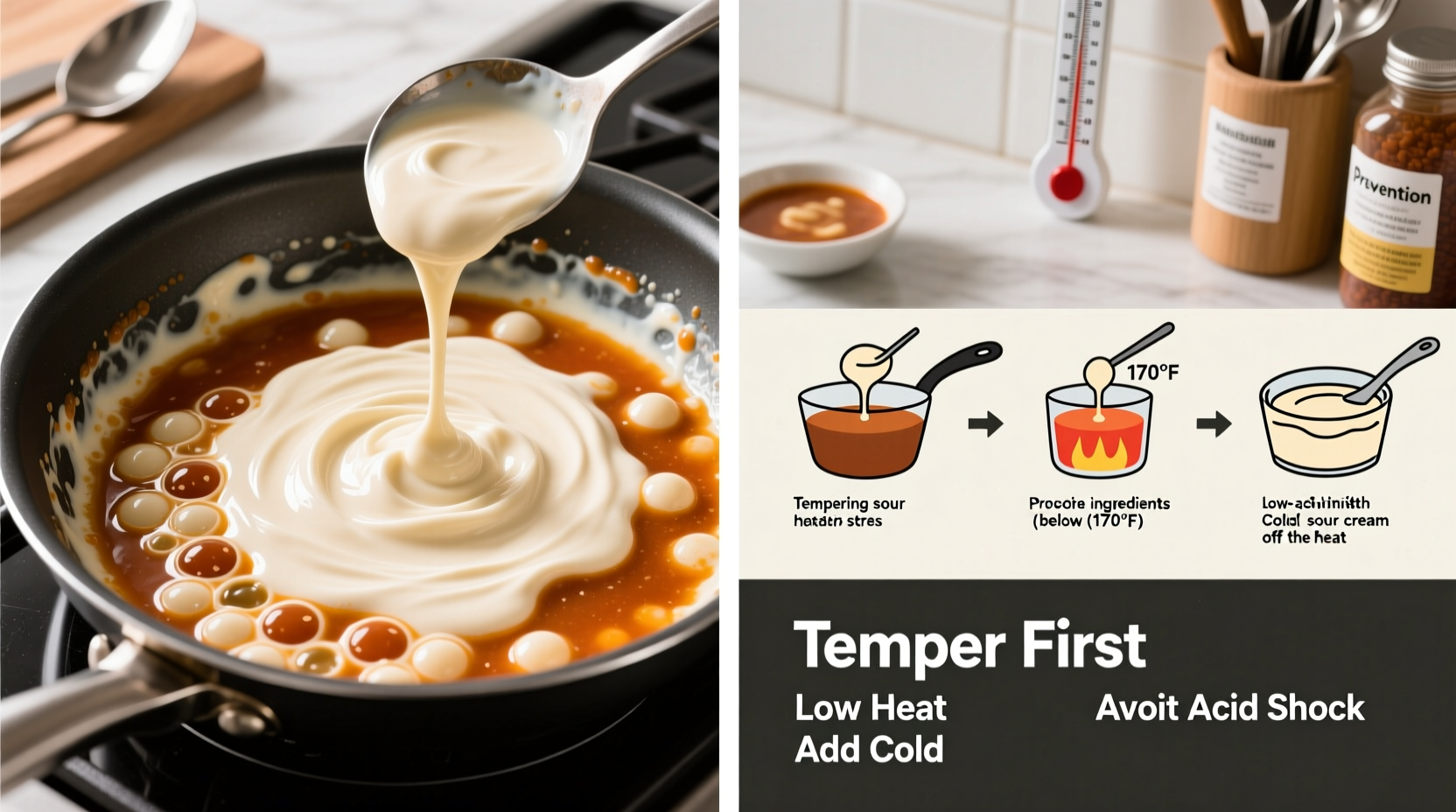
Sour cream is an acidified dairy product made by fermenting cream with lactic acid bacteria. This fermentation lowers the pH, causing proteins in the cream—primarily casein—to coagulate slightly, giving sour cream its thick, rich texture. However, this same protein structure makes it vulnerable when exposed to heat or high acidity.
When sour cream is added directly to a hot liquid, especially one that is boiling or simmering vigorously, the sudden temperature change causes the proteins to denature rapidly. Denaturation means the proteins unfold and then re-bond in tight clusters, squeezing out moisture (whey) in the process. This results in visible separation: small white curds floating in a thin, watery liquid.
Additionally, acidic ingredients like tomatoes, wine, or vinegar can further destabilize the emulsion in sour cream. Since sour cream is already acidic, adding it to another acidic environment increases hydrogen ion concentration, which amplifies protein coagulation. The combination of heat and acidity creates the perfect storm for curdling.
“Dairy products with high fat content and low protein stability, like sour cream, are particularly sensitive to abrupt thermal shocks.” — Dr. Lena Torres, Food Scientist at Culinary Research Institute
Common Causes of Sour Cream Separation in Sauces
While heat is the primary culprit, several factors contribute to sour cream breaking down in sauces. Recognizing these can help you adjust your cooking method accordingly:
- Rapid temperature changes: Adding cold sour cream directly to a boiling sauce causes immediate stress on the protein-fat matrix.
- High cooking temperatures: Simmering or boiling after adding sour cream accelerates protein denaturation.
- Acidic environments: Tomato-based sauces, lemon juice, or vinegar lower pH levels, promoting curdling.
- Prolonged cooking time: Even gentle simmering over extended periods can break down emulsions.
- Low-fat or non-dairy alternatives: These often lack the stabilizing fat and protein balance of full-fat sour cream, making them more prone to separation.
How to Prevent Sour Cream from Curdling: A Step-by-Step Guide
Preventing curdling isn’t about avoiding sour cream altogether—it’s about integrating it properly into your dish. Follow this logical sequence to ensure a smooth, cohesive sauce every time:
- Remove the pan from direct heat: Before adding sour cream, turn off the burner or remove the pot from the stove. Residual heat is sufficient to warm the sour cream without shocking it.
- Temper the sour cream: Place a few spoonfuls of the hot sauce into a separate bowl containing the sour cream. Whisk gently to raise the temperature gradually. Repeat 2–3 times until the sour cream is warmed through.
- Incorporate slowly: Stir the tempered sour cream mixture back into the main sauce using a slow, steady motion. Avoid vigorous stirring, which can disrupt the emulsion.
- Maintain low temperature: If reheating is necessary, do so over very low heat and never allow the sauce to boil after sour cream has been added.
- Add stabilizers if needed: For long-cooking dishes, consider mixing sour cream with a starch such as cornstarch or flour before tempering. This helps reinforce the emulsion.
Stabilization Technique Using Cornstarch
For recipes requiring longer warming periods, a simple cornstarch slurry can significantly improve stability:
- Mix 1 teaspoon cornstarch with 1 tablespoon cold water per ½ cup of sour cream.
- Whisk into the sour cream before tempering.
- Proceed with gradual incorporation into the sauce.
This method creates a protective barrier around fat globules and proteins, reducing the risk of coagulation under heat.
Do’s and Don’ts When Cooking with Sour Cream
| Do’s | Don’ts |
|---|---|
| Use full-fat sour cream for cooking | Use light or non-fat sour cream in hot sauces |
| Temper sour cream before adding | Add sour cream directly to boiling liquids |
| Add sour cream at the end of cooking | Simmer sauce for 10+ minutes after adding sour cream |
| Store unused sour cream properly (airtight, refrigerated) | Use expired or off-smelling sour cream |
| Stir gently after incorporation | Whisk aggressively once sour cream is in the sauce |
Alternative Ingredients and Substitutes
If you're consistently struggling with sour cream separation, consider these stable alternatives that deliver a similar tang and richness:
- Crème fraîche: Higher fat content (around 45%) and natural stabilizers make it far more heat-resistant than sour cream. It can be simmered gently without breaking.
- Yogurt (full-fat, Greek): More acidic but can work if properly tempered. Best for mildly heated dishes like curries or tzatziki-based sauces.
- Silken tofu blended with lemon juice: A vegan option that mimics creaminess and tang. Ideal for dairy-free diets.
- Cooking creams with stabilizers: Commercially prepared \"cooking sour creams\" often contain gums (like guar or xanthan) to resist curdling.
Real Example: Fixing a Broken Taco Sauce
Jamie, a home cook experimenting with a creamy chipotle taco sauce, followed a recipe calling for sour cream to be stirred into a simmering tomato base. Within seconds, the sauce turned grainy and separated. Disappointed, she nearly discarded it—until she remembered reading about emulsion repair.
She removed the pan from heat and let it cool slightly. Then, she placed a fresh bowl with two tablespoons of room-temperature sour cream and slowly whisked in small amounts of the broken sauce. Once the new mixture was fully incorporated and smooth, she returned it to the main pot, stirring gently over low heat. The sauce regained its creamy consistency and saved the meal.
This technique—essentially rebuilding the emulsion from a stable base—is a reliable fix when separation occurs. Prevention is ideal, but recovery is possible.
Expert Tips for Long-Term Success
Beyond immediate cooking techniques, long-term habits can improve your success rate with sour cream-based sauces:
- Bring sour cream to room temperature: Take it out of the fridge 20–30 minutes before use. Cold dairy is more shock-prone.
- Avoid microwave tempering: Microwaving can create hot spots that begin curdling before you even add it to the sauce.
- Use a flat-edged silicone spatula: It allows for even scraping and blending without introducing air that might destabilize the mix.
- Acid balance matters: If your sauce is highly acidic, consider reducing added vinegar or lemon juice slightly when sour cream is included.
“The key to working with delicate dairy is patience. Rushing the integration process is the most common mistake.” — Chef Rafael Mendez, Culinary Instructor at Midwest School of Gastronomy
Frequently Asked Questions
Can I freeze sauces made with sour cream?
No, freezing typically ruins the texture of sour cream-based sauces. Upon thawing, they almost always separate and become watery or grainy. It's best to prepare these sauces fresh or store them refrigerated for up to 3 days.
Why does restaurant sour cream sauce stay smooth while mine breaks?
Professional kitchens often use crème fraîche, stabilized sour cream blends, or thickeners like roux or cornstarch to maintain consistency. They also strictly control heat levels and use precise tempering methods, which home cooks can easily adopt with practice.
Is curdled sour cream unsafe to eat?
Curdling due to heat or acidity is a physical change, not a sign of spoilage. The sauce is generally safe to eat, though the texture may be unpleasant. If the sour cream had an off smell or mold before cooking, discard the entire dish.
Checklist: How to Use Sour Cream in Hot Sauces Without Curdling
Keep this checklist handy for your next creamy sauce preparation:
- ✅ Use full-fat sour cream, preferably at room temperature
- ✅ Remove sauce from heat before adding sour cream
- ✅ Temper sour cream with small amounts of hot liquid
- ✅ Stir in gently and avoid boiling afterward
- ✅ Consider adding 1 tsp cornstarch per ½ cup sour cream for extra stability
- ✅ Store leftovers properly and consume within 3 days
Conclusion: Master the Art of Creamy, Smooth Sauces
Sour cream doesn’t have to be a culinary gamble. By understanding the science of curdling and applying proven techniques like tempering and temperature control, you can confidently incorporate sour cream into your favorite hot dishes. Whether you’re making a comforting goulash, a zesty enchilada sauce, or a creamy pasta bake, the principles remain the same: gentle handling, smart timing, and respect for dairy’s delicate nature.
Start implementing these strategies today. Experiment with crème fraîche, refine your tempering method, and don’t fear mistakes—they’re part of the learning process. With each attempt, you’ll gain intuition and confidence in creating restaurant-quality sauces at home.




 浙公网安备
33010002000092号
浙公网安备
33010002000092号 浙B2-20120091-4
Comments
No comments yet. Why don't you start the discussion?