
Sourdough baking is both an art and a science. For many home bakers, the dream of a light, open-crumbed loaf with a crisp crust often ends in disappointment when the result is a dense, gummy brick. If you’ve ever sliced into your sourdough only to find no spring, little rise, or a tight, compact crumb, you're not alone. This issue is especially common among beginners—but it’s also highly preventable.
Density in sourdough isn’t usually caused by one single mistake. Instead, it's typically the result of several small missteps compounding throughout the process. The good news? Each of these can be corrected with awareness, consistency, and a bit of technique refinement. Let’s explore the most common reasons behind dense sourdough and how to fix them for consistently better results.
The Role of Fermentation in Sourdough Structure
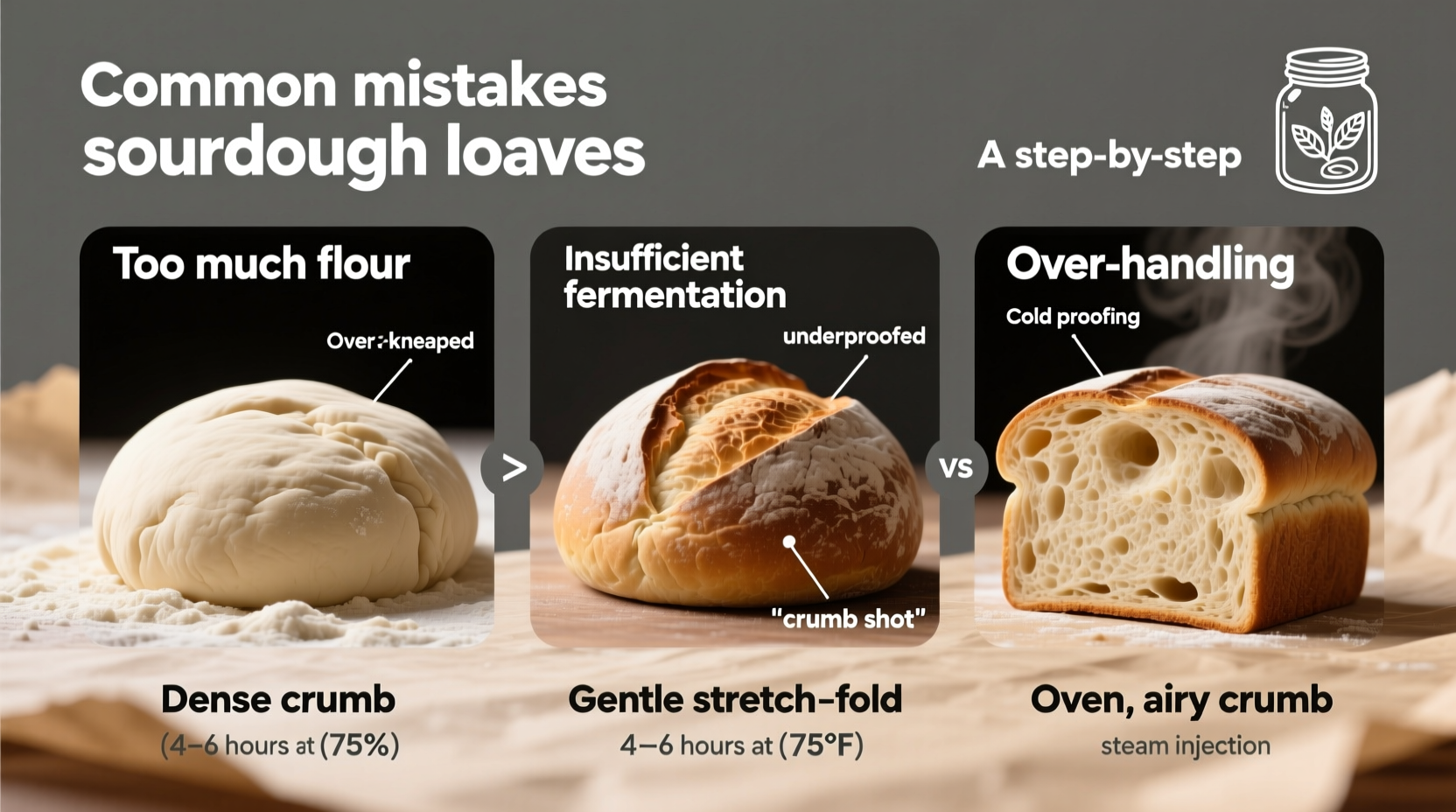
Fermentation is the engine of sourdough baking. Unlike commercial yeast breads, sourdough relies on wild yeast and lactic acid bacteria in your starter to leaven the dough. These microorganisms produce carbon dioxide gas as they consume flour, which gets trapped in the gluten network, causing the bread to rise. When fermentation is incomplete, uneven, or poorly timed, gas production drops—and so does your loaf’s volume.
Under-fermentation is one of the leading causes of density. A dough that hasn’t fermented long enough lacks sufficient gas bubbles and structural development. On the other hand, over-fermentation can break down the gluten structure, causing the dough to collapse during baking. Both extremes lead to poor oven spring and a heavy texture.
Common Beginner Mistakes That Cause Dense Sourdough
Understanding where things go wrong starts with recognizing the habits that undermine success. Here are five frequent errors made by new sourdough bakers—and how to correct them.
1. Using an Inactive or Weak Starter
Your starter is the heart of your sourdough. If it's sluggish or underfed, it won’t produce enough gas to lift the dough. Many beginners assume their starter is ready just because it has bubbles, but visual cues alone aren't reliable.
A healthy starter should double in size within 4–8 hours of feeding, have a pleasant tangy aroma (not alcoholic or rotten), and pass the float test. Feeding your starter at consistent intervals—ideally 1:1:1 (starter:water:flour by weight)—and keeping it at room temperature if you bake frequently will maintain its strength.
2. Underdeveloping Gluten During Mixing and Kneading
Gluten forms the elastic network that traps gas during fermentation. Without sufficient gluten development, the dough can’t hold onto bubbles, resulting in poor rise and a dense crumb.
Beginners often mix too briefly or skip stretch-and-folds entirely. While sourdough doesn’t require traditional kneading, it does benefit from structured strengthening. Use the windowpane test to check development: gently stretch a small piece of dough between your fingers. If it forms a thin, translucent membrane without tearing, the gluten is well-developed.
3. Incorrect Hydration Levels
Hydration—the ratio of water to flour by weight—greatly affects dough structure. Beginners often start with high hydration recipes (75% and above) seen online, not realizing these are harder to handle and require advanced shaping skills.
Too much water weakens the gluten matrix, making it harder for the dough to retain gas. Start with a hydration level around 65–70%. As your skills improve, you can gradually increase water content.
4. Skipping or Rushing Bulk Fermentation
Bulk fermentation is where most of the flavor and structure develop. It’s not just about time—it’s about observing physical changes in the dough. A typical bulk ferment lasts 3–5 hours at room temperature, depending on ambient conditions and starter strength.
If you end bulk fermentation too early, the dough hasn’t developed enough gas or strength. Signs it’s ready include a 30–50% increase in volume, visible bubbles on the surface and sides of the bowl, and a jiggly, domed appearance when gently shaken.
5. Poor Shaping Technique
Shaping isn’t just about aesthetics—it creates surface tension that helps the loaf hold its shape and rise upward rather than spreading out. A loosely shaped dough won’t trap gas effectively, leading to flat, dense bread.
Take time to pre-shape first, let the dough rest for 20–30 minutes (bench rest), then final-shape with confident tucks and rolls. Use minimal flour to prevent layers from sticking together, which weakens structure.
“Many beginners focus only on the recipe, but sourdough success lies in process mastery—especially fermentation control and shaping.” — Daniel Leader, author of *Local Breads* and founder of Bread Alone Bakery
Step-by-Step Guide to Preventing Dense Sourdough
Follow this practical sequence to ensure each stage supports a lighter, more open crumb.
- Feed your starter 8–12 hours before baking. Use equal parts flour and water (by weight). Wait until it peaks—doubled in size and bubbly.
- Mix ingredients and autolyse for 30 minutes. Combine flour and water first, let sit before adding salt and starter. This improves gluten formation and hydration.
- Perform 4 sets of stretch-and-folds during bulk fermentation. Do one every 30 minutes during the first 2 hours. This strengthens the dough without aggressive kneading.
- Monitor dough, not the clock. Look for volume increase, jiggle, and bubbles. Ferment until the dough feels alive and aerated.
- Pre-shape, bench rest, then final-shape with tension. Create surface tightness to support vertical rise.
- Cold ferment overnight (12–16 hours). Retarding the dough in the fridge develops flavor and makes handling easier.
- Bake in a preheated Dutch oven. Steam is critical for oven spring. Preheat the pot for at least 30 minutes before loading.
- Ventilate steam after 20 minutes. Remove the lid to allow crust formation and continued rise.
Do’s and Don’ts: Quick Reference Table
| Do’s | Don’ts |
|---|---|
| Use a mature, active starter that passes the float test | Use a starter straight from the fridge without feeding it first |
| Develop gluten through stretch-and-folds or slap-and-fold method | Overmix or undermix—both compromise structure |
| Shape with surface tension to create a tight boule or batard | Handle dough roughly or skip pre-shaping |
| Retard dough in the fridge for improved flavor and manageability | Proof at warm temperatures for too long, risking over-fermentation |
| Bake in a preheated Dutch oven for maximum oven spring | Bake on a sheet pan without steam—this limits expansion |
Real Example: From Dense Loaf to Open Crumb
Sarah, a home baker in Portland, had been struggling for weeks. Her loaves were consistently heavy, with a rubbery texture and almost no holes in the crumb. She followed popular recipes exactly but saw no improvement.
After reviewing her process, she realized three key issues: she was using her starter 4 hours after feeding, when it was past its peak; she skipped stretch-and-folds to save time; and she baked immediately after shaping instead of cold-proofing.
She adjusted her routine: feeding her starter the night before, doing four sets of stretch-and-folds, shaping tightly, and refrigerating the loaf overnight. Her next bake had dramatically improved oven spring, a crisp crust, and a light, airy crumb with irregular holes—exactly what she’d hoped for.
“I thought I was following the rules,” she said, “but I wasn’t paying attention to what the dough was telling me. Once I slowed down and observed, everything changed.”
Essential Checklist for Lighter Sourdough
Use this checklist before every bake to catch common pitfalls:
- ✅ Is my starter bubbly, doubled, and passing the float test?
- ✅ Did I autolyse flour and water before adding starter and salt?
- ✅ Did I perform 3–4 sets of stretch-and-folds during bulk fermentation?
- ✅ Has the dough increased by 30–50%, showing bubbles and jiggle?
- ✅ Was the final shape tight with surface tension?
- ✅ Did I cold-proof the loaf for 12–16 hours?
- ✅ Is my Dutch oven preheated for at least 30 minutes?
- ✅ Did I score the loaf deeply (¼ to ½ inch) before baking?
Frequently Asked Questions
Why does my sourdough have big air pockets at the bottom but is still dense overall?
This often indicates under-proofing. The dough didn’t ferment long enough to develop gas evenly throughout. During baking, the only place it can expand is along the weakest point—usually the bottom against the pan. Extend your bulk fermentation and ensure even gas distribution through proper folding.
Can I fix a dense loaf after it’s baked?
No—once baked, the structure is set. However, you can repurpose it: toast thick slices, make sourdough breadcrumbs, or turn it into crostini. Use the experience to adjust your next bake, focusing on fermentation timing and shaping.
Is whole wheat sourdough always denser than white?
Generally, yes. Whole wheat flour contains bran, which cuts gluten strands and absorbs more water. This naturally leads to a tighter crumb. To improve loft, increase hydration slightly, use a blend of whole wheat and bread flour, and extend fermentation to help break down fibers.
Final Thoughts: Mastery Through Observation
Dense sourdough is rarely about a single failure—it’s about missing subtle cues across the entire process. The journey from dense loaf to bakery-quality bread isn’t about perfection on the first try, but about learning to read your dough, trust your senses, and refine your rhythm.
Start simple. Stick to a basic white sourdough recipe at 68% hydration. Focus on nailing one variable at a time: starter health, gluten development, fermentation timing, shaping, and baking technique. Keep notes. Compare results. Adjust accordingly.
Every dense loaf teaches you something. The best bakers aren’t those who never fail—they’re the ones who pay attention when they do.




 浙公网安备
33010002000092号
浙公网安备
33010002000092号 浙B2-20120091-4
Comments
No comments yet. Why don't you start the discussion?