
A sourdough starter is a living culture of wild yeast and lactic acid bacteria that powers naturally leavened bread. When starting from scratch or reactivating a dormant culture, one of the most common concerns is lack of visible fermentation—no bubbles, no rise, no signs of life. This can be discouraging, especially after days of feeding and waiting. However, a sluggish or inactive starter is rarely a lost cause. More often than not, the issue lies in environmental conditions, feeding practices, or timing. Understanding the science behind sourdough activation and knowing how to troubleshoot effectively can turn a flat jar of flour and water into a thriving microbial ecosystem.
Understanding Sourdough Starter Activation
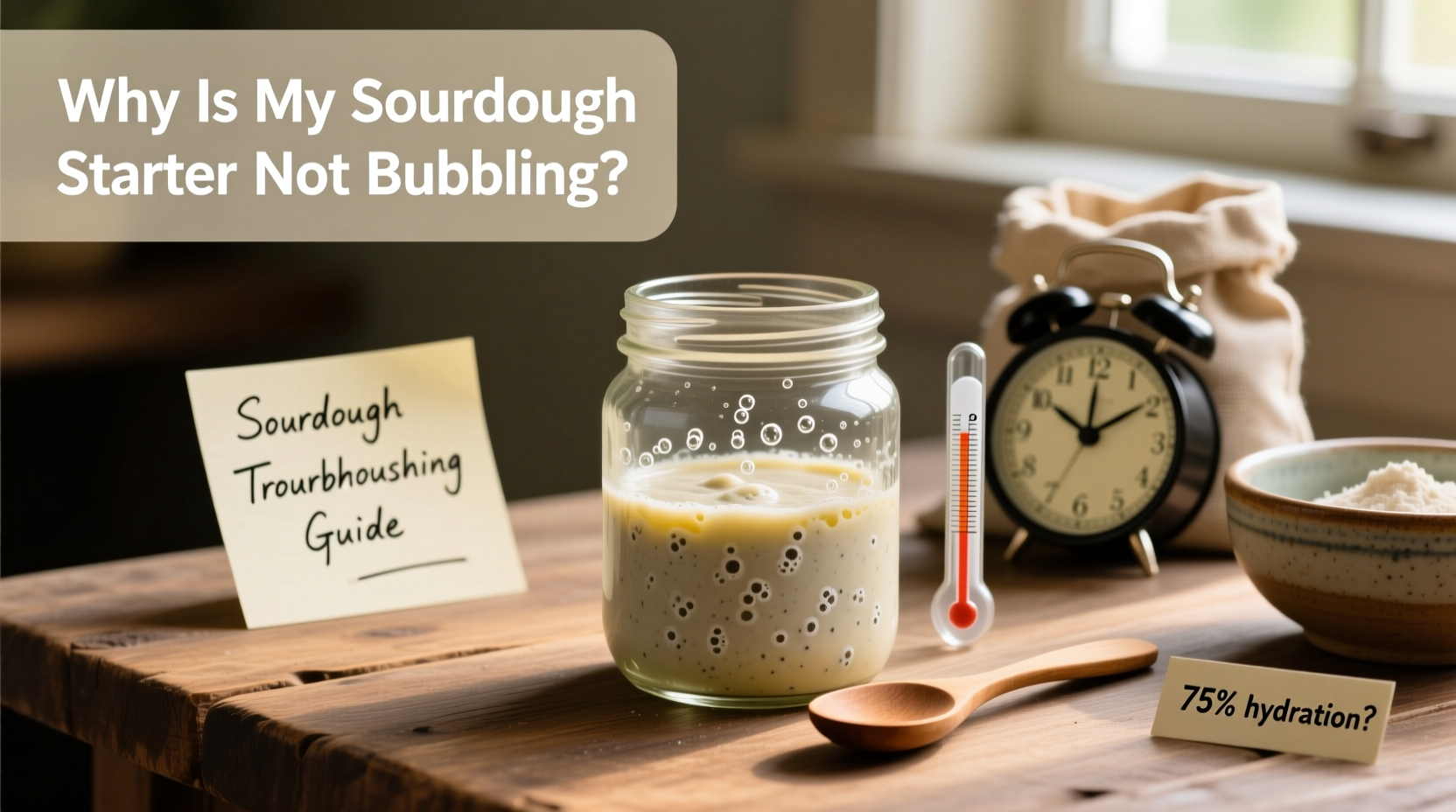
When you begin cultivating a sourdough starter, you're encouraging the growth of naturally occurring microorganisms present in flour and the surrounding environment. These microbes—primarily wild yeasts and lactobacilli—feed on the starches and sugars in flour, producing carbon dioxide (which causes bubbling) and organic acids (which give sourdough its tang). The first few days of activation are critical: this is when colonies establish themselves and begin to dominate over less desirable microbes.
True fermentation activity—consistent doubling in volume within 4–8 hours after feeding and abundant bubbling—typically takes 5 to 10 days, depending on variables like temperature, flour type, and hydration. Many beginners expect rapid results, but sourdough is inherently slow. Patience and consistency are key.
Common Reasons Your Starter Isn’t Bubbling
Lack of visible activity doesn’t always mean your starter is dead. Often, microbial life is present but suppressed due to suboptimal conditions. Here are the most frequent culprits behind an unresponsive starter:
- Cool ambient temperature: Yeast and bacteria thrive between 70°F and 80°F (21°C–27°C). Below this range, their metabolism slows dramatically.
- Inconsistent feeding schedule: Irregular feedings disrupt microbial balance and prevent colony buildup.
- Poor flour quality or type: Bleached flour, low-protein flour, or old flour lacks the nutrients microbes need.
- Chlorinated water: Tap water with chlorine or chloramine can inhibit microbial growth.
- Over-discard or under-feed: Removing too much starter or not providing enough fresh food starves the culture.
- Dormancy after refrigeration: A cold-stored starter needs multiple consecutive room-temperature feedings to regain vigor.
“Many people give up on their starter too soon. It’s not magic—it’s microbiology. Consistency beats speed every time.” — Dr. Karl Lenhardt, Microbial Fermentation Scientist
Step-by-Step Guide to Reactivate a Sluggish Starter
If your starter shows little to no bubbling, follow this structured revival protocol. Whether you’re starting fresh or reviving a neglected jar from the fridge, this method maximizes microbial recovery.
- Move to a warmer spot: Place the starter in a consistently warm area—near a radiator, on top of the fridge, or inside an oven with only the light on. Avoid drafts and temperature swings.
- Switch to whole grain flour: Use organic rye or whole wheat flour for the first 3–5 feedings. These flours contain more nutrients and beneficial microbes than white flour.
- Feed at a 1:1:1 ratio: For every part of starter, add one part water and one part flour by weight (e.g., 25g starter + 25g water + 25g flour). This encourages balanced growth without over-dilution.
- Use filtered or bottled water: Eliminate chlorine by using non-chlorinated water. Let tap water sit out overnight to off-gas, or use bottled spring water.
- Feed every 12 hours: Maintain a strict feeding schedule at consistent times (e.g., 8 AM and 8 PM). Regular nourishment builds population density.
- Discard and refresh: Always discard half the starter before feeding to prevent acidity buildup and provide fresh food.
- Wait for signs of life: Look for small bubbles, a slightly domed surface, or a pleasant fruity/sour aroma. Full rise and fall may take 3–7 days.
- Transition to all-purpose flour: Once active, switch back to bread flour or all-purpose if desired, maintaining the same feeding routine.
Troubleshooting Table: Symptoms vs. Solutions
| Symptom | Likely Cause | Solution |
|---|---|---|
| No bubbles after 5 days | Low temperature, poor flour, inconsistent feeding | Move to warmer spot, use rye flour, feed every 12 hrs |
| Hooch (dark liquid) forms quickly | Acidity buildup, infrequent feeding | Feed more frequently; stir hooch in or pour off |
| Foul smell (rotten cheese, acetone) | Imbalanced pH, weak microbial colonies | Resume regular feedings; switch to whole grain flour |
| Starter rises slightly but doesn’t double | Weak yeast population, cool environment | Increase warmth, extend feeding cycle for 2–3 more days |
| Bubbles only on surface, no volume increase | CO₂ escaping, thick consistency | Stir gently before feeding; consider increasing hydration to 100% |
Real Example: Reviving a Dormant Refrigerated Starter
Sarah had stored her sourdough starter in the refrigerator for six weeks while traveling. Upon returning, she pulled it out, fed it with all-purpose flour, and waited 24 hours. There were no bubbles, only a layer of grayish hooch on top. Discouraged, she nearly discarded it—but decided to try one more feeding using rye flour and filtered water. She placed the jar in a turned-off oven with the light on, maintaining about 78°F (26°C).
She fed it every 12 hours, discarding half each time. By the third feeding, small bubbles appeared throughout the mixture. On day three, the starter doubled in size within six hours of feeding and developed a clean, yogurt-like aroma. Sarah then transitioned it back to bread flour and used it successfully in a loaf of country sourdough. Her experience underscores that even long-dormant starters can recover with proper care.
Essential Checklist for Starter Success
Use this checklist to ensure optimal conditions for activation and ongoing maintenance:
- ✅ Feed starter every 12 hours at room temperature during initial activation
- ✅ Use unbleached, preferably whole-grain flour (rye or whole wheat)
- ✅ Maintain temperature between 70°F and 80°F (21°C–27°C)
- ✅ Use chlorine-free water (filtered, bottled, or dechlorinated tap)
- ✅ Discard half the starter before each feeding to control acidity
- ✅ Store in a loosely covered container to allow gas exchange
- ✅ Track progress with time-stamped photos or height markers
- ✅ Be patient—full maturity may take up to 10 days
Frequently Asked Questions
How long should I wait before deciding my starter is dead?
Give it at least 10 full days of consistent feeding at room temperature before concluding it won’t activate. Many starters show delayed but sudden activity around day 7–8, especially in cooler environments.
Can I use tap water for my starter?
It depends. If your tap water is heavily chlorinated, it may inhibit microbial growth. To be safe, let tap water sit uncovered for 24 hours to allow chlorine to evaporate, or use filtered or bottled water. Note: chloramine (used in some cities) does not evaporate easily—use a carbon filter if present.
Why does my starter bubble at first but then stop?
Early bubbles are often from opportunistic bacteria (like Enterobacter) that die off as acidity increases. True yeast-driven bubbles emerge later, usually between days 4 and 7. This “crash” phase is normal—continue feeding patiently.
Conclusion: Trust the Process and Take Action
A sourdough starter that isn’t bubbling isn’t necessarily broken. More often, it’s a sign that conditions need adjustment, not abandonment. Temperature, flour choice, feeding rhythm, and water quality all play pivotal roles in successful activation. By applying consistent care and understanding the microbial journey, most starters can be revived or brought to life from scratch.
The reward—a fragrant, bubbly, reliable starter capable of leavening beautiful bread—is worth the effort. Don’t rush it. Observe, adjust, and persist. Sourdough rewards patience with flavor, texture, and a deep connection to traditional baking.




 浙公网安备
33010002000092号
浙公网安备
33010002000092号 浙B2-20120091-4
Comments
No comments yet. Why don't you start the discussion?