
A sluggish or non-bubbling sourdough starter can be one of the most frustrating experiences for a home baker. You’ve followed the instructions—mixed flour and water, waited patiently, maybe even named your starter—but there’s no sign of life. No bubbles, no rise, no tangy aroma. It just sits there, inert and unresponsive. Before you give up on wild yeast entirely, understand this: a dormant starter isn’t dead. In fact, most issues are fixable with simple adjustments in feeding, temperature, and routine.
Sourdough starters thrive on consistency, balance, and the right environment. When they fail to bubble, it’s usually a signal that something in that ecosystem is off. This guide walks through the most common reasons your starter isn’t bubbling, how to diagnose the problem, and what to do next—backed by science, real-world experience, and expert insights from seasoned bakers.
Understanding How Sourdough Starters Work
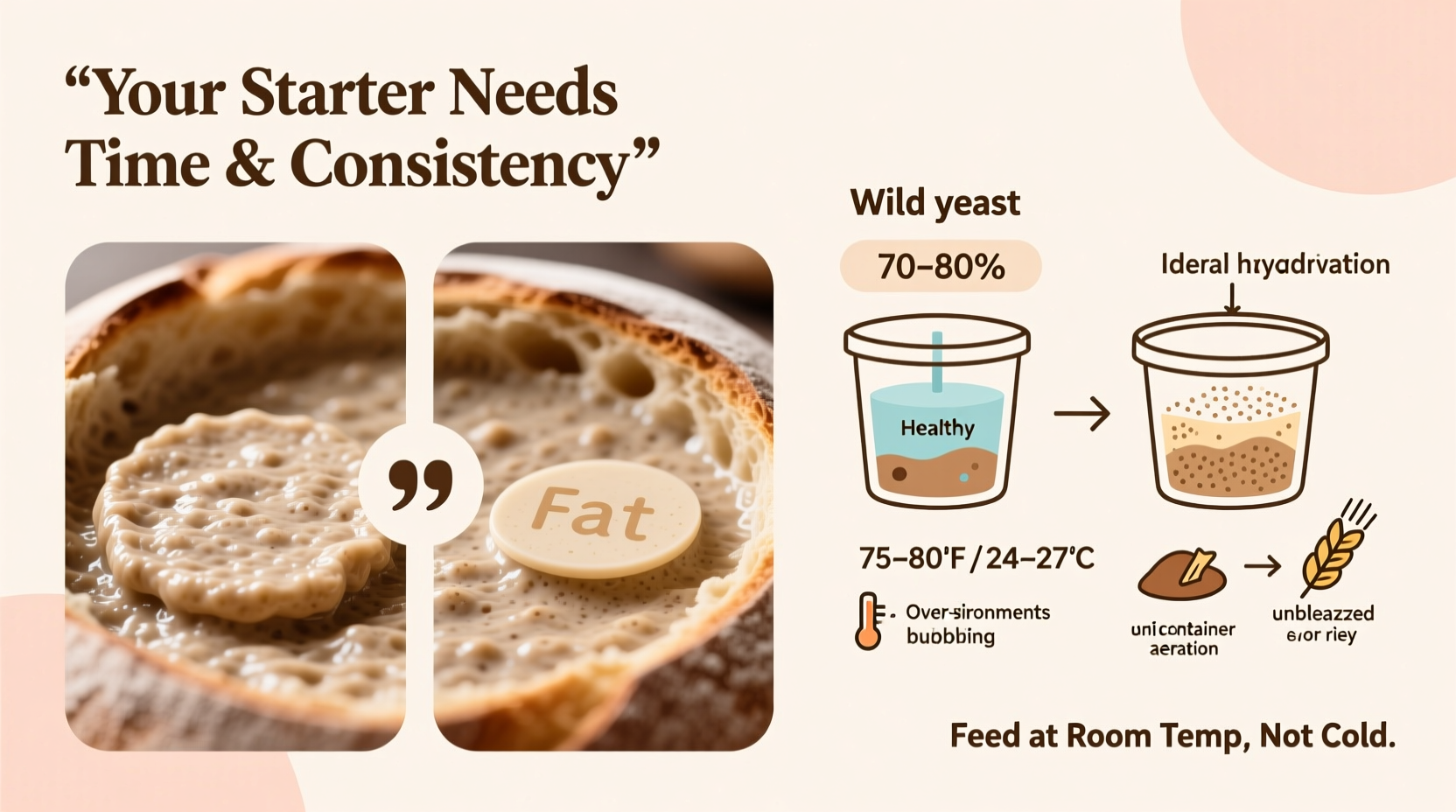
A sourdough starter is a living culture of wild yeast and lactic acid bacteria cultivated from flour and water. These microorganisms feed on the starches in flour, producing carbon dioxide (which causes bubbling and rising) and organic acids (which give sourdough its characteristic tang).
Bubbling indicates active fermentation—the hallmark of a healthy starter. But fermentation depends on several factors:
- Microbial population: Enough yeast and bacteria must be present to generate gas.
- Nutrient supply: Fresh flour provides food for microbes.
- Temperature: Warmth accelerates microbial activity; cold slows it.
- pH balance: Acidity increases over time, which can inhibit growth if unchecked.
- Oxygen exposure: While fermentation is mostly anaerobic, some oxygen helps initial colonization.
If any of these elements are out of balance, your starter may appear inactive. The absence of bubbles doesn’t always mean failure—it might just need time, adjustment, or revival.
Common Reasons Your Starter Isn’t Bubbling
1. Inconsistent Feeding Schedule
Wild yeast and bacteria require regular nourishment. Skipping feedings or going too long between them starves the culture, causing populations to decline. If your starter hasn’t been fed in over 48 hours, especially at room temperature, microbial activity will slow significantly.
2. Cold Environment
Temperature is critical. Most sourdough cultures perform best between 70°F and 78°F (21°C–26°C). Below 65°F (18°C), fermentation slows dramatically. Many beginners keep their starter near a drafty window or in a cool kitchen corner, unknowingly stalling progress.
3. Chlorinated Water
Treated tap water often contains chlorine or chloramine, both of which can kill or inhibit wild microbes. If you're using unfiltered tap water, this could be silently suppressing your starter’s development.
4. Low-Quality or Bleached Flour
Highly processed, bleached white flours lack the nutrients and microbial diversity needed to sustain robust fermentation. They work fine for maintenance but are less effective for starting or reviving a culture.
5. Hooch Formation and Acidity Buildup
Hooch—the dark liquid that forms on top of an unfed starter—is alcohol produced by bacteria. While not harmful, excessive hooch signals hunger and high acidity, which can suppress yeast activity. Ignoring hooch over multiple cycles weakens the culture.
6. Contamination or Imbalance
Mold, soap residue, or competing microbes from unclean jars or utensils can disrupt your starter. True contamination is rare, but poor hygiene can tilt the microbial balance toward undesirable organisms.
“Many people think their starter has failed when it's simply stressed. Temperature swings, infrequent feeding, and poor flour choice are the usual culprits.” — Dr. Debra Wink, Microbiologist and Fermentation Specialist
Step-by-Step Guide to Revive a Non-Bubbling Starter
If your starter shows no signs of life after 5–7 days, don’t discard it yet. Follow this structured revival protocol:
- Discard all but 20g of starter. Remove moldy portions (if any). Use a clean jar.
- Feed with 40g whole grain flour (rye or whole wheat) and 40g filtered or bottled water. Mix well, cover loosely.
- Place in a warm spot (75°F–80°F). Top of the fridge, near the oven, or inside a turned-off oven with the light on works well.
- Feed every 12 hours for 3 days. Stick to a strict schedule—consistency rebuilds microbial strength.
- Switch to bread flour after day 2. Once bubbling begins, transition to unbleached all-purpose or bread flour for stability.
- Monitor for doubling within 6–8 hours post-feed. This indicates full vitality.
This method leverages nutrient-rich flour and warmth to jumpstart microbial colonies. Most dormant starters respond within 48–72 hours.
Do’s and Don’ts When Troubleshooting a Starter
| Do’s | Don’ts |
|---|---|
| Use filtered or spring water | Use chlorinated tap water |
| Feed on a consistent 12-hour schedule | Feed irregularly or skip days |
| Keep starter in a warm, stable location | Place near drafts or refrigerators |
| Stir down hooch and feed promptly | Pour off hooch and ignore feeding |
| Use unbleached, preferably whole-grain flour initially | Rely solely on bleached all-purpose flour |
| Clean jar weekly to prevent buildup | Leave old residue in the container |
Real Example: Bringing Back “Bubbles,” a 10-Day Dormant Starter
Sarah, a home baker in Portland, started her sourdough journey with high hopes. She mixed equal parts flour and water, covered it, and waited. By day five, she saw a few bubbles. Encouraged, she left it for two more days without feeding. When she returned, the starter had a thick layer of gray hooch and no activity.
Discouraged, she almost threw it out. Instead, she researched and realized she’d let it go too long without food and kept it in a chilly corner of her kitchen (around 62°F). Following the revival steps above, she discarded most of the starter, fed it with rye flour and filtered water, and placed it on top of her refrigerator.
She fed it every 12 hours. On the second day, small bubbles appeared. By day three, it doubled in size within seven hours. Within a week, “Bubbles” was reliably leavening loaves. Sarah learned that patience and precision matter more than speed.
Checklist: Is Your Starter Setup Optimal?
Use this checklist to troubleshoot your current setup:
- ✅ Are you feeding every 12 hours (at room temp)?
- ✅ Is your water chlorine-free?
- ✅ Is your flour unbleached and preferably whole grain?
- ✅ Is your starter kept between 70°F–78°F?
- ✅ Have you stirred down any hooch before feeding?
- ✅ Is your container clean and loosely covered?
- ✅ Are you discarding and refreshing regularly (at least 1:1:1 ratio)?
- ✅ Have you avoided metal utensils (especially reactive ones like aluminum)?
Check off each item. Missing even one can stall progress. Address gaps systematically.
When to Wait vs. When to Act
Not every delay requires intervention. Some phases are normal:
- Days 1–3: Little to no activity is expected. Microbes are colonizing.
- Days 4–6: A possible slowdown or “dip” as bacteria outcompete early yeast. Often mistaken for failure.
- Day 7+: Should show consistent rise and bubbles. If not, take action.
The so-called “day 4 crash” is common. Your starter may smell unpleasant (like acetone or gym socks), stop bubbling, or develop hooch. This is not failure—it’s a microbial transition phase. Continue feeding. Most starters rebound by day 6–8.
“The biggest mistake new bakers make is quitting on day 5. That’s exactly when persistence pays off.” — Ken Forkish, Author of *The Elements of Pizza*
Frequently Asked Questions
Can a sourdough starter come back after weeks of neglect?
Yes, many starters survive months in the fridge. If there’s no mold and the hooch is brown (not pink or orange), discard most of it, feed with fresh flour and water, and repeat every 12 hours. Revival typically takes 2–4 days.
Should I throw away my starter if it smells like vinegar or nail polish remover?
No. Sharp, acidic, or alcoholic odors indicate hunger or imbalance, not spoilage. Feed it promptly. The smell should mellow within 24 hours of regular feeding.
Is it safe to use a starter that hasn’t bubbled in a week?
If stored properly and free of mold or pink/orange discoloration, yes. It may be dormant but alive. Begin regular feeding and warmth to reactivate it. Never taste a questionable starter—if in doubt, restart.
Final Tips for Long-Term Success
Once your starter begins bubbling consistently, maintain momentum with smart habits:
- Establish a feeding rhythm that matches your baking schedule.
- Store in the fridge if baking weekly; bring to room temp and feed 1–2 times before use.
- Label your jar with start date and last feed time.
- Keep a backup—dry a spoonful of starter on parchment to rehydrate later if needed.
- Trust the process. Sourdough rewards patience, not perfection.
Conclusion: Keep Cultivating, Keep Baking
A sourdough starter not bubbling is rarely a lost cause. More often, it’s a cry for better conditions—a warmer spot, cleaner jar, or timely meal. With attention to feeding, temperature, and flour quality, most sluggish starters recover within days. The wild yeast and bacteria are resilient, adaptable, and waiting for the right moment to thrive.
Don’t let early setbacks discourage you. Every failed rise, odd smell, or still surface is part of the learning curve. Tending a starter is as much about understanding nature as it is about baking bread. When you finally see those steady bubbles and feel the dough lift under your hands, the effort will have been worth it.




 浙公网安备
33010002000092号
浙公网安备
33010002000092号 浙B2-20120091-4
Comments
No comments yet. Why don't you start the discussion?