
Succulents are prized for their compact forms, vibrant colors, and architectural beauty. When they begin stretching upward with sparse leaves and an unbalanced shape, it’s a clear signal that something is wrong. This condition—commonly known as etiolation—is not just cosmetic; it reflects a plant struggling to survive under suboptimal conditions. Understanding the causes and implementing corrective measures can revive your succulent and prevent future issues.
What Is Etiolation in Succulents?
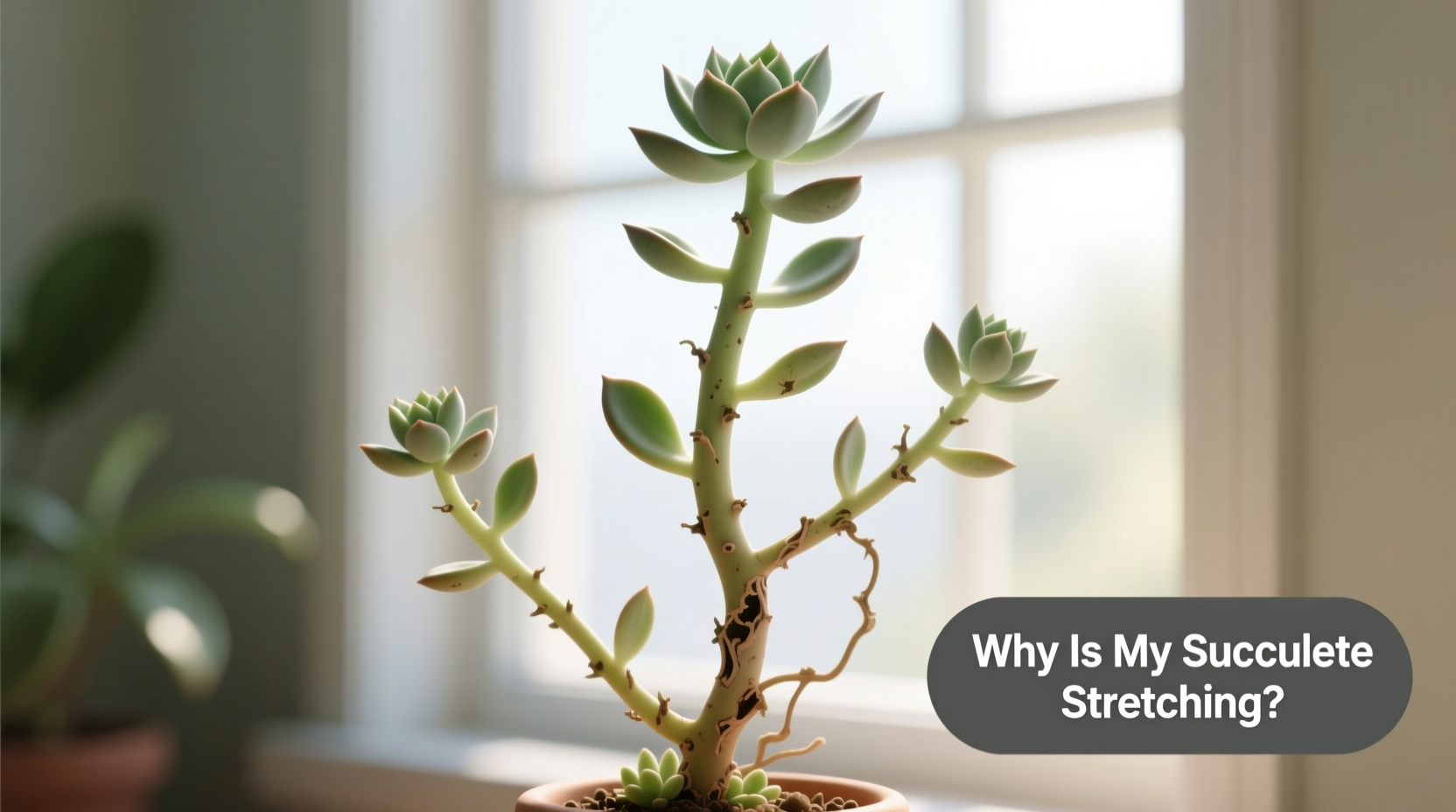
Etiolation occurs when a succulent stretches abnormally toward a light source due to insufficient sunlight. Instead of growing densely and symmetrically, the plant elongates its stem, spaces out its leaves, and often leans heavily in one direction. The result is a weak, leggy appearance that lacks the fullness typical of healthy specimens.
This response is a survival mechanism. In nature, succulents grow in bright, open environments where sunlight is abundant. When grown indoors or in shaded areas, they compensate by extending their stems in search of more light. Over time, this leads to structural weakness, reduced coloration, and diminished vitality.
Primary Causes of Tall, Lopsided Growth
Several environmental factors contribute to etiolation. Identifying the root cause is essential before attempting correction.
1. Inadequate Light Exposure
The most common reason for stretching is insufficient light. Most succulents require at least 4–6 hours of direct sunlight daily. Indoors, especially during winter months, natural light may fall far short of this threshold. Artificial lighting, if used, must be strong enough (preferably full-spectrum LED) and positioned close to the plant.
2. One-Sided Light Source
If your succulent receives light from only one direction—such as a windowsill facing south or east—it will naturally grow toward that source. Without regular rotation, the plant becomes visibly lopsided, with new growth concentrated on one side.
3. Improper Placement Over Time
Even if initially placed in a sunny spot, changes in season, furniture rearrangement, or nearby obstructions (like curtains or blinds) can gradually reduce light availability. A once-thriving succulent may slowly begin to stretch without immediate notice.
4. Excessive Fertilization or Watering
While less common, over-fertilizing can accelerate growth unnaturally, exacerbating etiolation when combined with low light. Similarly, frequent watering encourages soft, rapid growth that cannot support itself structurally.
“Etiolation isn’t fatal, but it reveals a mismatch between the plant’s needs and its environment. Correct the light, and you correct the problem.” — Dr. Lena Torres, Botanist & Horticultural Consultant
How to Fix a Stretched Succulent: Step-by-Step Guide
Once etiolation sets in, you cannot reverse the existing stretched stem. However, you can stop further damage and restore a fuller appearance through strategic intervention.
- Relocate to a Brighter Spot: Move the plant to a south-facing window where it receives maximum daylight. If natural light is limited, invest in a full-spectrum grow light placed 6–12 inches above the plant for 10–12 hours per day.
- Cut Back the Stem (Beheading): Using sterilized scissors or pruning shears, cut the top portion of the plant just above a healthy set of leaves. This section, called the rosette, will become your new plant.
- Allow the Cutting to Callous: Place the cut end on a dry surface out of direct sun for 2–5 days until a callus forms. This prevents rot when replanted.
- Replant the Top Section: Once calloused, place the cutting on well-draining soil (cactus mix). Do not water immediately. Wait 5–7 days before lightly moistening the soil to encourage root development.
- Repurpose the Base: The remaining lower stem may produce new offsets or “pups” over time. Keep it in soil and provide indirect light. These pups can eventually be separated into new plants.
Prevention Checklist: Maintaining Compact Growth
- ✔️ Provide 4–6 hours of direct sunlight daily
- ✔️ Use supplemental grow lights during cloudy seasons or in low-light homes
- ✔️ Rotate the pot 90 degrees weekly to ensure even exposure
- ✔️ Avoid placing succulents behind glass that filters UV light (e.g., closed windows)
- ✔️ Water only when soil is completely dry—typically every 2–3 weeks indoors
- ✔️ Refrain from fertilizing except once in spring with a diluted, balanced formula
- ✔️ Monitor growth patterns monthly for early signs of stretching
Do’s and Don’ts of Managing Etiolated Succulents
| Do’s | Don’ts |
|---|---|
| Move the plant to brighter light immediately | Leave it in dim corners expecting improvement |
| Prune stretched stems to propagate healthier versions | |
| Use terracotta pots with drainage holes to prevent moisture retention | Plant in decorative containers without drainage |
| Let cuttings callous before replanting | Stick fresh cuttings directly into wet soil |
| Inspect regularly for signs of stress or pests | Overwater in hopes of reviving a weakened plant |
Real Example: Reviving a Leggy Echeveria
Sarah, a home gardener in Seattle, noticed her blue-gray Echeveria ‘Perle von Nürnberg’ had begun leaning sharply to the left, with wide gaps between leaves. She realized it had been sitting on a north-facing shelf since winter began. Despite watering it weekly, the plant looked frail.
She moved it under a full-spectrum LED grow light for 12 hours each day and rotated it every three days. After two weeks, no improvement occurred in the existing form—so she decided to prune. She cut the rosette from the elongated stem, allowed it to callous, and planted it in a shallow terracotta pot with cactus mix.
Within three weeks, tiny roots emerged. By week six, new leaves formed at the center, and the original base produced two small offsets. Today, Sarah has three healthy plants where one weak one once stood—all thriving under consistent light and mindful care.
Can You Reverse Etiolation Without Cutting?
No. Once a succulent has stretched, the elongated stem will not shorten or thicken on its own. The plant does not have the biological mechanism to retract growth. While improving light conditions will halt further etiolation and encourage tighter new growth from the top, the unsightly stem remains.
Some gardeners choose to leave mildly stretched plants intact, especially if relocation improves future growth. However, for aesthetic appeal and structural health, propagation via stem cutting is the most effective long-term solution.
Frequently Asked Questions
Will my succulent die if it starts stretching?
No, etiolation is not lethal. It indicates stress, not disease. With improved lighting and proper care, your plant can recover and continue growing healthily—especially after pruning and regrowth.
How long does it take for a pruned succulent to root?
Root development typically begins within 1–3 weeks after planting a calloused cutting. Full establishment in the soil usually takes 4–6 weeks. Signs include new leaf formation and resistance when gently tugged.
Can I grow succulents successfully indoors without grow lights?
Yes, but only near very bright windows (south-facing in the Northern Hemisphere). Most indoor environments lack sufficient intensity and duration of light, especially in winter. Grow lights significantly increase success rates for maintaining compact forms.
Conclusion: Restore Health and Shape Through Smart Care
A tall, lopsided succulent doesn’t mean failure—it means your plant is communicating its needs. Etiolation is a reversible condition when addressed promptly with better light and thoughtful pruning. By relocating your plant, propagating the healthy top, and refining your care routine, you can transform a leggy specimen into a collection of vibrant, symmetrical succulents.




 浙公网安备
33010002000092号
浙公网安备
33010002000092号 浙B2-20120091-4
Comments
No comments yet. Why don't you start the discussion?