
Succulents are celebrated for their resilience and low-maintenance nature, making them favorites among both novice and experienced plant keepers. Yet even these hardy plants can show signs of distress—most commonly through discoloration. When the tips of your succulent begin to turn brown, it’s not just an aesthetic issue; it’s a signal that something in its environment or care routine needs adjustment. The good news is that most causes are easily diagnosable and correctable with a few thoughtful changes.
Brown tips on succulents are rarely due to a single factor. Instead, they stem from a combination of environmental stressors, watering habits, lighting conditions, and sometimes pest activity. Understanding the root cause is essential to reversing the damage and preventing future issues. With proper diagnosis and timely intervention, your succulent can recover fully and continue thriving.
Common Causes of Brown Tips on Succulents
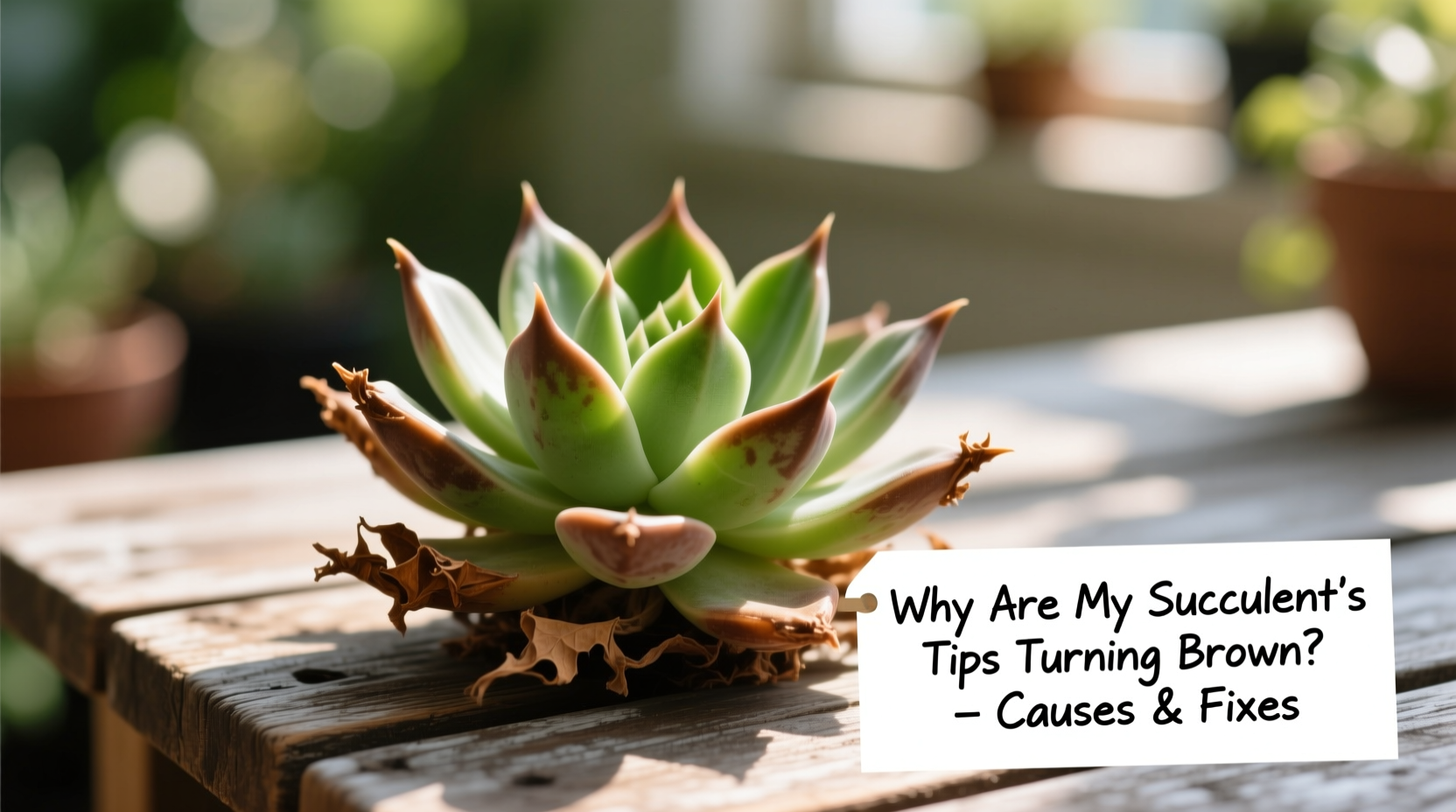
Browning at the leaf tips is one of the most frequent concerns among succulent owners. While it may appear alarming, it's often a symptom rather than a terminal condition. Below are the primary reasons why this occurs:
- Overwatering: This is the leading cause of succulent decline. Excess moisture leads to root rot, which prevents the plant from absorbing nutrients properly. As a result, cells at the extremities (like leaf tips) die off first.
- Underwatering: Ironically, too little water can also cause browning. When dehydrated, succulents pull moisture from older leaves to sustain new growth, causing those leaves to dry out and turn brown from the tips inward.
- Excessive Sunlight (Sunburn): While most succulents love bright light, sudden exposure to intense midday sun—especially after being indoors—can scorch the leaves, starting at the tips.
- Poor Drainage: Even if you water correctly, soil that doesn’t drain well traps moisture around roots, mimicking overwatering effects.
- Low Humidity or Dry Air: In heated indoor environments during winter, dry air can draw moisture from plant tissues, leading to tip browning.
- Mineral Buildup: Tap water often contains salts, chlorine, and fluoride. Over time, these accumulate in the soil and can burn sensitive leaf tips.
- Pests: Infestations like mealybugs or spider mites feed on plant sap, weakening the tissue and causing localized browning or spotting.
How to Diagnose the Exact Cause
Pinpointing the exact reason behind browning tips requires observation and a bit of detective work. Here’s how to assess each potential culprit:
- Inspect the Soil Moisture: Stick your finger about an inch into the soil. If it feels wet days after watering, overwatering is likely. If bone dry for weeks, consider underwatering.
- Check Leaf Texture: Mushy, translucent brown areas point to rot. Crispy, papery brown edges suggest dehydration or environmental burn.
- Evaluate Light Exposure: Has the plant recently been moved? Is it near a south-facing window without acclimation? Sudden intense light causes sunburn.
- Look for Pests: Examine leaf crevices and stems with a magnifying glass. Mealybugs look like cottony specks; spider mites leave fine webbing.
- Review Water Quality: If you use tap water regularly, mineral buildup could be contributing. Try switching to distilled or rainwater temporarily.
A Real Example: Maria’s Echeveria Recovery
Maria noticed her prized blue Echeveria developing brown tips shortly after moving it to a sunny windowsill in spring. At first, she assumed it needed more water and increased her watering schedule. But the browning worsened. After researching, she realized the plant had been abruptly exposed to direct afternoon sun after spending winter in lower light. She moved it to a spot with bright indirect light and reduced watering. Within three weeks, no new browning appeared, and the plant began producing healthy new rosettes. Her mistake was misdiagnosing sunburn as thirst—a common error.
“Succulents communicate through their leaves. Brown tips aren’t always about water—they’re often about transition stress.” — Dr. Lena Torres, Horticulturist & Plant Stress Specialist
Simple Fixes You Can Apply Today
Once you’ve identified the cause, applying the right fix can halt further damage and promote recovery. Here’s a step-by-step guide tailored to each scenario:
For Overwatering
- Stop watering immediately.
- Gently remove the plant from its pot and inspect the roots. Trim any black, mushy roots with sterilized scissors.
- Repot in fresh, well-draining succulent mix.
- Allow the soil to dry completely between waterings—typically every 10–14 days, depending on climate.
For Underwatering
- Give the plant a thorough soak until water drains from the bottom.
- Wait 7–10 days before watering again, then resume a consistent schedule.
- Monitor leaf plumpness as an indicator of hydration.
For Sunburn
- Move the plant to a location with bright, indirect light.
- If outdoors, provide filtered sunlight using a shade cloth.
- Acclimate gradually when reintroducing to full sun—add 30 minutes of direct light per day over 1–2 weeks.
For Mineral Buildup
- Flush the soil with distilled or rainwater to leach out excess salts.
- Switch to using filtered or collected rainwater for future watering.
- Repot annually with fresh soil to prevent long-term accumulation.
Prevention Checklist
To keep your succulents vibrant and blemish-free, follow this actionable checklist:
- ✅ Use a pot with drainage holes to prevent waterlogging.
- ✅ Choose a gritty soil mix (e.g., 2 parts potting soil, 1 part perlite, 1 part coarse sand).
- ✅ Water only when the top inch of soil is completely dry.
- ✅ Rotate your plant weekly for even light exposure.
- ✅ Clean leaves gently with a damp cloth to remove dust and deter pests.
- ✅ Avoid misting—succulents do not thrive in humid conditions.
- ✅ Quarantine new plants for two weeks to prevent pest spread.
Do’s and Don’ts: A Quick Reference Table
| Scenario | Do | Don't |
|---|---|---|
| Watering | Soak deeply, then let dry completely | Water on a fixed schedule regardless of soil moisture |
| Light | Provide 4–6 hours of morning sun or bright indirect light | Place in harsh afternoon sun without acclimation |
| Soil | Use fast-draining cactus/succulent mix | Use regular potting soil that retains moisture |
| Fertilizing | Fertilize lightly once in spring with diluted balanced fertilizer | Feed monthly or during dormancy (winter) |
| Humidity | Keep in average room humidity (30–50%) | Mist leaves or place in steamy bathrooms |
Frequently Asked Questions
Can brown-tipped leaves turn green again?
No. Once a leaf tip has turned brown, that tissue is dead and cannot regenerate. However, stopping the underlying cause will prevent further browning, and the plant will grow new, healthy leaves to replace damaged ones over time.
Should I cut off the brown tips?
You can trim them for aesthetics, but only if the rest of the leaf is healthy. Use clean, sharp scissors and cut at an angle to mimic natural shape. Avoid cutting into green tissue unless necessary, as open wounds can invite infection.
Is brown tip a sign of disease?
Not usually. Brown tips are typically caused by environmental stress rather than pathogens. However, if you notice spreading soft rot, foul odor, or black spots moving down the stem, it may be a fungal or bacterial infection requiring isolation and treatment.
Final Steps to Restore Your Succulent’s Health
Reversing browning tips begins with adjusting care practices and ends with patience. Most succulents respond well to improved conditions within 4–6 weeks. During this time, resist the urge to over-correct—too many changes at once can add stress. Focus on one variable at a time: stabilize watering, then adjust light, then evaluate soil.
Remember, some degree of browning on older leaves is natural as part of the growth cycle. What matters is whether new growth remains healthy. If your succulent continues producing plump, colorful leaves without browning, you’ve successfully addressed the issue.
“The key to succulent success isn’t perfection—it’s consistency. Small, steady improvements lead to long-term vitality.” — Rafael Kim, Botanical Garden Curator
Take Action and Watch Your Plants Thrive
Your succulent’s brown tips are not a failure—they’re feedback. By listening to what your plant is telling you, you’re already on the path to becoming a more intuitive and skilled caretaker. Start today by checking your watering habits, assessing light levels, and ensuring proper drainage. These small steps can make a dramatic difference in your plant’s health and appearance.




 浙公网安备
33010002000092号
浙公网安备
33010002000092号 浙B2-20120091-4
Comments
No comments yet. Why don't you start the discussion?