
Succulents are celebrated for their resilience, low maintenance, and sculptural beauty. But when the vibrant green of your plant begins to fade into yellow, it’s a clear signal that something is off. Unlike more demanding houseplants, succulents thrive on neglect—yet even they have limits. Yellowing leaves are not just an aesthetic concern; they’re a distress call. The good news? Most causes are reversible if caught early. Understanding the root issues—often tied to watering, light, soil, or pests—can mean the difference between revival and loss.
Understanding Why Succulents Turn Yellow
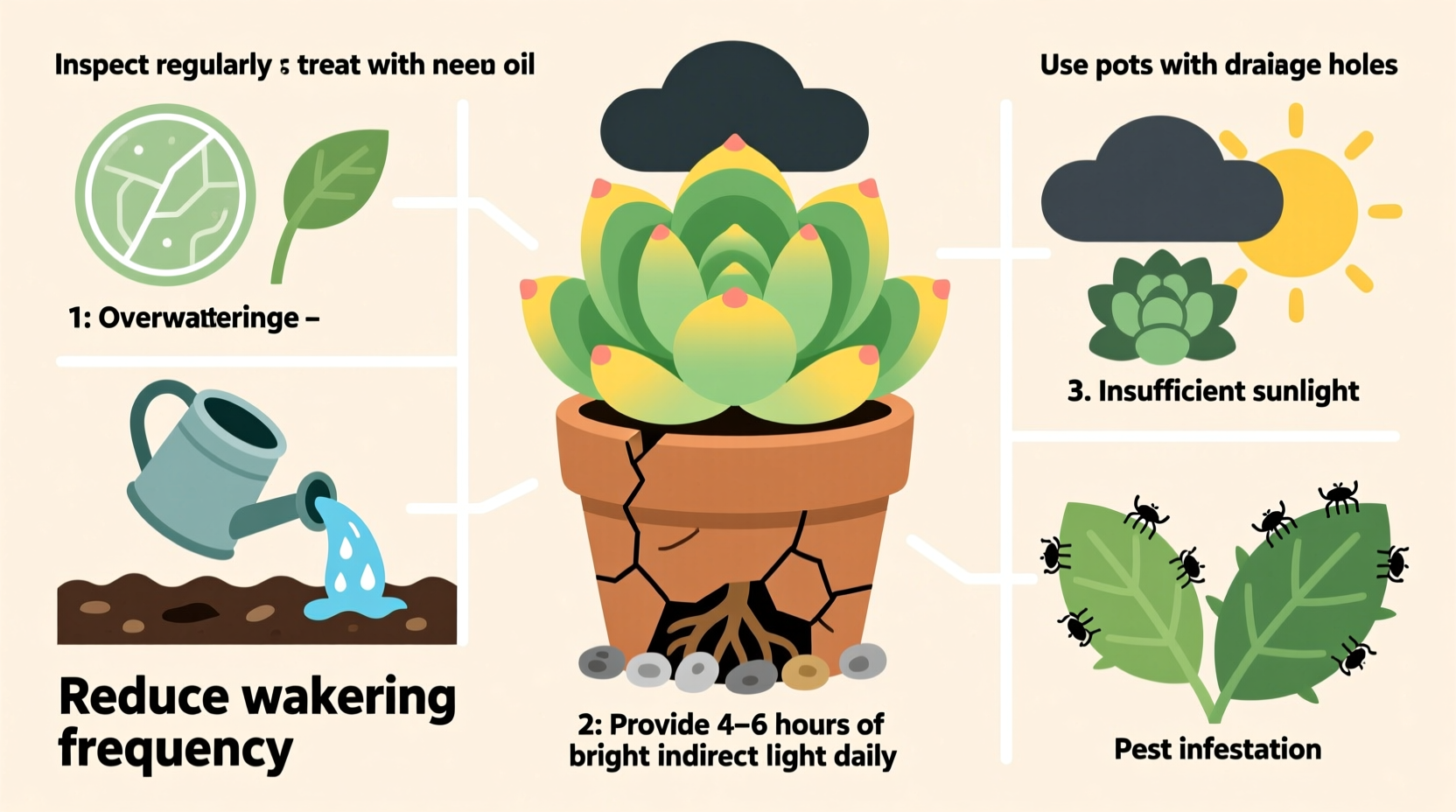
Yellowing in succulents typically starts at the base of the plant and moves upward. It can affect individual leaves or spread across multiple rosettes. While some discoloration is natural during growth cycles, widespread yellowing points to environmental stress. Unlike flowering plants that may yellow due to nutrient deficiencies alone, succulents react strongly to moisture imbalance. Their specialized tissues store water, making them highly sensitive to overhydration. When roots sit in damp conditions too long, they begin to rot, disrupting nutrient uptake and causing systemic decline.
The key to diagnosis lies in observing patterns. Are the lower leaves soft and translucent before turning yellow? That’s a classic sign of overwatering. Are upper leaves pale, crispy, and bleached? That suggests sunburn. Each symptom maps to a specific care error. By decoding these clues, you can tailor a recovery plan that addresses the true cause—not just the appearance.
Top 5 Causes of Yellowing and How to Fix Them
1. Overwatering – The Leading Culprit
No single factor kills more succulents than excessive watering. These plants evolved in arid regions where rainfall is infrequent but intense. Their roots expect quick drainage and prolonged dry periods. When watered too often or planted in dense soil, roots suffocate and decay. This prevents oxygen exchange and nutrient absorption, leading to yellow, swollen leaves that may eventually drop.
To correct this, stop watering immediately. Remove the plant from its pot and inspect the roots. Healthy roots are white or light tan and firm. Rotten roots appear black, brown, or mushy and emit a sour odor. Trim away damaged sections with sterilized scissors and repot in fresh, well-draining mix. Allow the soil to dry completely between waterings—this could take two weeks or longer depending on climate.
2. Poor Drainage or Wrong Soil Mix
Even with moderate watering, succulents suffer if grown in standard potting soil. Regular mixes retain moisture far too long. A proper succulent blend should contain at least 50% mineral components like perlite, pumice, or coarse sand. Without this, water pools around roots, creating ideal conditions for rot.
If your plant sits in a container without drainage holes, consider repotting into a terracotta or unglazed ceramic pot. These materials wick away moisture and promote airflow. Avoid decorative outer pots that trap water—always empty saucers after watering.
3. Inadequate or Excessive Light
Light imbalances trigger different types of yellowing. Insufficient light causes etiolation—stretched, weak growth with pale, yellowish leaves as the plant stretches toward the nearest light source. On the flip side, sudden exposure to intense midday sun can scorch leaves, turning them yellow or brown at the tips.
Place succulents near a south- or east-facing window for optimal brightness. If moving a shaded plant outdoors, acclimate it gradually over 7–10 days. Start with morning sun only and increase exposure slowly. For indoor setups, supplement with full-spectrum grow lights during winter months.
4. Pests and Diseases
Insects like mealybugs, spider mites, and scale feed on plant sap, weakening tissue and disrupting chlorophyll production. Infested leaves often yellow unevenly and may show webbing or cotton-like clusters. Fungal infections, usually secondary to overwatering, also contribute to discoloration.
Inspect your plant weekly. At the first sign of pests, isolate the plant and treat with 70% isopropyl alcohol applied via cotton swab. For severe cases, use insecticidal soap or neem oil. Ensure good air circulation and avoid misting, which encourages fungal growth.
5. Nutrient Imbalance or Pot-Bound Roots
While succulents don’t require frequent feeding, extremely depleted soil can lead to chlorosis—yellowing due to lack of iron, magnesium, or nitrogen. More commonly, roots become bound in small containers, limiting access to nutrients and water. This stresses the plant, resulting in stunted growth and yellow foliage.
Fertilize sparingly—once in spring and once in summer—with a balanced, diluted formula (e.g., 10-10-10 at half strength). Repot every 2–3 years to refresh soil and provide room for root expansion.
“Succulents aren’t indestructible—they’re misunderstood. Their needs are simple, but precise. Get the water and soil right, and nearly every problem disappears.” — Dr. Lena Torres, Horticulturist & Plant Physiologist, Desert Botanical Research Center
Care Checklist: Restore Your Yellowing Succulent
Follow this step-by-step checklist to diagnose and correct yellowing:
- ✅ Stop watering immediately if soil feels damp.
- ✅ Remove plant from pot and inspect roots for rot.
- ✅ Trim dead or mushy roots with sterilized tools.
- ✅ Replace soil with a gritty, fast-draining mix (50% mineral matter).
- ✅ Repot in a container with drainage holes.
- ✅ Place in bright, indirect light for 7–10 days to recover.
- ✅ Resume watering only when soil is fully dry.
- ✅ Check for pests and treat if present.
- ✅ Monitor leaf firmness and color changes weekly.
- ✅ Adjust light exposure based on symptoms (increase for etiolation, reduce for sunburn).
Do’s and Don’ts: Quick Reference Table
| Category | Do’s | Don’ts |
|---|---|---|
| Watering | Water deeply but infrequently; allow full soil dry-out between sessions. | Don’t water on a schedule—always check soil moisture first. |
| Soil | Use cactus/succulent mix with added perlite or pumice. | Don’t use regular potting soil or garden dirt. |
| Pot Type | Choose terracotta or porous pots with drainage holes. | Don’t use glazed ceramic or plastic without drainage. |
| Light | Provide 4–6 hours of bright, indirect sunlight daily. | Don’t expose to harsh afternoon sun without acclimation. |
| Fertilizing | Feed lightly in growing season (spring/summer). | Don’t fertilize in winter or on stressed plants. |
Real Example: Reviving a Yellow Echeveria
Maria, a novice plant owner in Portland, noticed her blue-gray Echeveria ‘Perle von Nürnberg’ developing yellow lower leaves. She watered it every 5 days, assuming consistency was key. After researching, she realized she’d been overwatering. The soil stayed moist, and the pot lacked drainage. She removed the plant, finding several inches of blackened roots. After trimming the rot and repotting in a gritty mix inside a terracotta pot, she withheld water for 14 days. Within three weeks, new pink-edged rosettes emerged, and no further leaves yellowed. Her takeaway: “I learned that waiting is better than guessing. Now I stick my finger deep into the soil—it tells me when it’s time.”
Step-by-Step Recovery Timeline
If your succulent shows signs of distress, follow this recovery timeline for best results:
- Day 1: Cease watering. Remove plant from pot and inspect roots. Trim diseased tissue.
- Day 2: Let roots air-dry overnight on a paper towel in a shaded area.
- Day 3: Repot in dry, well-draining mix. Do not water yet.
- Days 4–10: Place in bright, indirect light. Monitor for mold or worsening decay.
- Day 14: Test soil moisture. If completely dry, give a light watering at the base.
- Weeks 3–4: Watch for new growth or firming of existing leaves. Avoid fertilizing.
- Month 2: Resume normal care routine—water only when soil is dry, ensure proper light.
Patience is critical. Recovery takes weeks, not days. Resist the urge to overcare during this phase.
Frequently Asked Questions
Can yellow leaves turn green again?
Generally, no. Once a leaf yellows due to stress or rot, it won’t regain its original color. However, stopping the underlying issue prevents further damage. Focus on saving healthy tissue and encouraging new growth.
Is bottom watering better for succulents?
Yes, for many growers. Bottom watering encourages roots to grow downward and reduces the risk of moisture on leaves, which can lead to rot or fungal spots. Place the pot in a shallow tray of water for 10–15 minutes, then remove and let excess drain. Avoid leaving it sitting in water.
How do I know if my succulent is getting enough light?
Healthy succulents have tight, compact rosettes and uniform color. If the plant stretches vertically, widens between leaves, or leans heavily in one direction, it’s reaching for light. Rotate the pot weekly for even exposure.
Final Thoughts and Action Steps
Yellowing succulents are rarely beyond saving. The most common errors—overwatering, poor soil, and light mismanagement—are entirely preventable with awareness and adjustment. Success with succulents isn’t about constant attention; it’s about understanding their natural rhythms and respecting their desert origins. By aligning your care routine with their biology, you create conditions where thriving is effortless.
Start today: pull your plant from its pot, assess the roots, and audit your watering habits. Swap out dense soil, upgrade to a breathable pot, and fine-tune the light. Small changes yield dramatic results. And remember—every yellow leaf teaches you something new about your plant’s language.




 浙公网安备
33010002000092号
浙公网安备
33010002000092号 浙B2-20120091-4
Comments
No comments yet. Why don't you start the discussion?