
Succulents are celebrated for their resilience and low-maintenance care, making them favorites among beginner and experienced plant owners alike. But when the lush green leaves start to turn yellow, it’s a clear sign something is wrong. While many assume pests or disease are to blame, the root cause—quite literally—is often improper watering. Overwatering remains the leading reason succulents decline, but underwatering and inconsistent routines can also trigger stress responses like discoloration. Understanding the delicate balance these drought-tolerant plants require is key to restoring their health and preventing future issues.
Understanding Why Succulents Turn Yellow
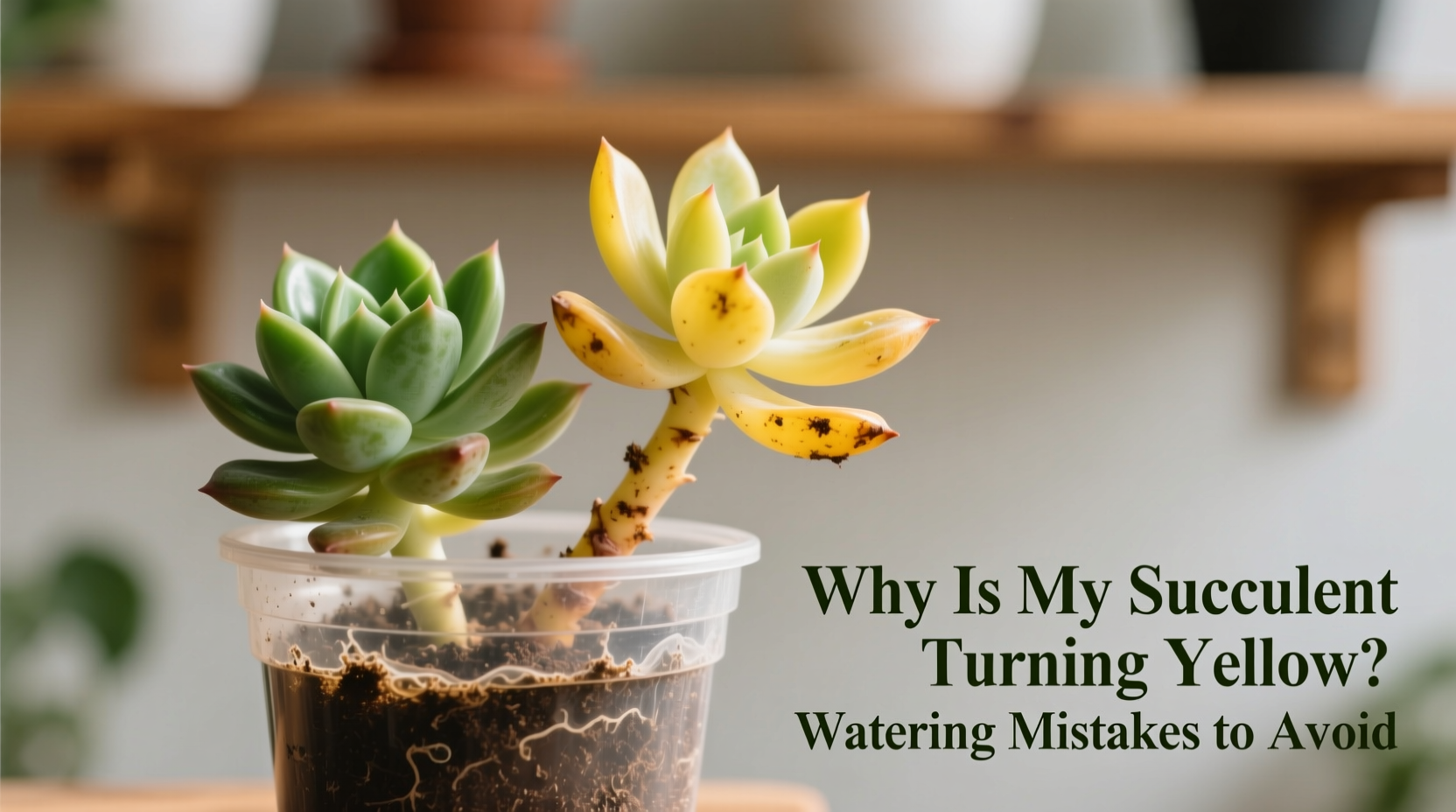
Yellowing in succulents is not a normal part of growth; it's a distress signal. Unlike deciduous plants that shed leaves seasonally, succulents retain their foliage for long periods under proper conditions. When leaves begin to yellow, especially from the base upward or with a mushy texture, it typically indicates physiological stress—most commonly linked to water imbalance.
The fleshy leaves of succulents store water, allowing them to survive prolonged dry spells. However, this adaptation makes them vulnerable to excess moisture. When roots sit in damp soil, they suffocate and begin to rot. This impairs nutrient uptake and causes cells in the leaves to break down, manifesting as yellow or translucent discoloration. In some cases, yellowing may start at the tips or margins, signaling early dehydration rather than overwatering.
“More succulents die from kindness than neglect. People love their plants so much they water them daily—and that’s exactly what kills them.” — Dr. Lena Torres, Botanist and Plant Physiologist
Common Watering Mistakes That Cause Yellowing
Even well-intentioned care routines can harm succulents if based on misconceptions. Below are the most frequent watering errors and how they contribute to leaf discoloration.
1. Overwatering: The Silent Killer
Overwatering is the top cause of yellowing succulents. Many owners follow a fixed schedule—such as watering every Sunday—without checking actual soil conditions. Succulents thrive on infrequent but deep watering. When soil doesn’t dry out between sessions, roots remain wet, leading to root rot. Symptoms include:
- Lower leaves turning yellow and soft
- Stem becoming mushy or blackened
- Plant detaching easily from the soil
2. Poor Drainage in Pots
A pot without drainage holes traps excess water, creating a swamp-like environment even with moderate watering. Even if you water sparingly, the lack of an escape route for moisture leads to root saturation. Terracotta pots help wick away moisture, while plastic or glazed ceramic retain more water.
3. Using the Wrong Soil Mix
Garden soil or standard potting mix holds too much moisture for succulents. These dense soils compact over time, reducing aeration and slowing drainage. A proper succulent or cactus mix contains perlite, pumice, or coarse sand to ensure rapid drying.
4. Watering from the Top vs. Bottom
While top watering is common, it can leave surface moisture on leaves and stems, increasing fungal risk. Bottom watering encourages deeper root development but requires careful monitoring to prevent oversaturation. Either method works—if done correctly—but consistency matters.
5. Ignoring Seasonal Needs
Succulents have active growing seasons (spring and summer) and dormancy periods (fall and winter). During dormancy, metabolic activity slows, meaning water needs drop significantly. Continuing a summer watering routine into winter invites overhydration.
Do’s and Don’ts of Succulent Watering
| Do’s | Don’ts |
|---|---|
| Use pots with drainage holes | Use containers without drainage |
| Water only when soil is completely dry | Stick to a fixed watering schedule |
| Use a gritty, fast-draining soil mix | Plant in regular potting soil |
| Water deeply, then let excess drain | Give small sips of water frequently |
| Reduce watering in winter months | Water as often in winter as in summer |
Step-by-Step Guide to Reviving a Yellowing Succulent
If your succulent shows signs of yellowing due to overwatering, immediate action can save it. Follow this timeline to restore health:
- Stop watering immediately. Let the plant and soil dry out completely for at least 7–10 days.
- Remove the plant from its pot. Gently shake off the soil and inspect the roots. Healthy roots are firm and white; rotted ones are brown, black, and mushy.
- Trim damaged parts. Use sterilized scissors to cut away any yellow, translucent, or mushy leaves and decayed roots.
- Let the plant callous. Place it on a dry surface out of direct sun for 2–3 days to allow cut areas to form a protective layer.
- Repot in fresh, well-draining mix. Use a clean pot with drainage and a cactus/succulent blend. Do not water for another 5–7 days.
- Resume cautious watering. After repotting, wait a week, then water thoroughly—only when the soil is fully dry again.
- Monitor progress weekly. New growth should appear within 3–4 weeks if recovery is underway.
Real Example: Sarah’s Overwatered Echeveria
Sarah, a new plant owner, bought a beautiful blue-gray Echeveria she named “Sapphire.” She placed it on her kitchen windowsill and watered it every Friday, believing consistency was key. Within six weeks, the lower leaves turned yellow, then mushy. Panicked, she increased watering, thinking the plant was thirsty. By week eight, the stem had softened, and leaves were dropping.
After consulting a local nursery, she learned she’d been overwatering. She followed the revival steps: stopped watering, removed the plant, trimmed rot, and repotted in gritty soil. She waited ten days before giving it a deep soak. Over the next month, new pink-edged leaves emerged from the center. Today, Sapphire thrives on a shelf with morning light, watered only once every three weeks.
Sarah’s experience highlights a common misconception: routine ≠ right. Her dedication was admirable, but misapplied. Adjusting her approach based on the plant’s actual needs made all the difference.
How to Prevent Future Watering Issues
Prevention is always better than cure. Establishing a responsive care routine—not a rigid one—ensures long-term succulent health.
Adopt the Soak-and-Dry Method
This technique mimics natural rainfall patterns. Water deeply until excess drains from the bottom, then wait until the soil is completely dry before repeating. For most indoor succulents, this means watering every 2–4 weeks, depending on climate, pot size, and season.
Use the Finger Test or Moisture Meter
Insert your finger up to the second knuckle into the soil. If it feels dry, it’s safe to water. For precision, use a digital moisture meter set to read below 3 for succulents.
Choose the Right Pot and Soil
Select unglazed terracotta pots for better breathability. Pair them with a mix containing at least 50% inorganic material (like perlite or pumice). Avoid pre-moistened soils that contain water-retaining crystals.
Adjust for Environment
Plants in hot, dry climates need more frequent watering than those in humid, cool spaces. A succulent near an air conditioner dries out faster than one in a bathroom with high humidity.
Frequently Asked Questions
Can yellow leaves turn green again?
No. Once a succulent leaf turns yellow due to overwatering or rot, it cannot recover. The plant will eventually shed it. Focus on saving healthy tissue and improving care to encourage new growth.
Is misting good for succulents?
No. Misting increases humidity around the plant and wets the foliage, which can lead to fungal diseases and rot. Succulents absorb water through their roots, not leaves. Always water the soil directly.
How do I know if my succulent is underwatered?
An underwatered succulent shows wrinkled, thin, or crispy leaves—especially the lower ones. The plant may look deflated. Unlike overwatering, the leaves remain firm. A thorough soak usually restores plumpness within a few days.
Essential Care Checklist
- ✅ Check soil dryness before every watering
- ✅ Use pots with drainage holes
- ✅ Repot annually in fresh succulent mix
- ✅ Reduce watering frequency in fall and winter
- ✅ Provide bright, indirect sunlight (minimum 4–6 hours daily)
- ✅ Inspect monthly for signs of rot or pests
- ✅ Rotate pots regularly for even growth
Conclusion: Healthy Succulents Start with Smart Watering
A yellowing succulent doesn’t mean failure—it’s feedback. By recognizing the signs of improper watering and adjusting your habits, you can reverse damage and foster thriving plants. Remember, succulents evolved in arid environments where survival depended on conserving water, not consuming it. Your role isn’t to nurture constantly, but to observe, respond, and respect their natural rhythms.




 浙公网安备
33010002000092号
浙公网安备
33010002000092号 浙B2-20120091-4
Comments
No comments yet. Why don't you start the discussion?