
Succulents are celebrated for their resilience, low maintenance, and sculptural beauty. Yet even the hardiest plant can send distress signals—often starting with the lower leaves. When you notice the bottom leaves of your succulent turning yellow and dropping off, it’s easy to assume the worst. But this symptom isn’t always a death sentence. In fact, it’s one of the most common concerns among indoor gardeners and often points to manageable causes.
Understanding what’s behind yellowing and leaf drop is essential to restoring your plant’s health. While some leaf loss is natural, persistent or widespread discoloration indicates an underlying issue. From overwatering to lighting imbalances, several factors contribute to this condition. Addressing them early can mean the difference between revival and replacement.
Natural Leaf Senescence vs. Problematic Yellowing
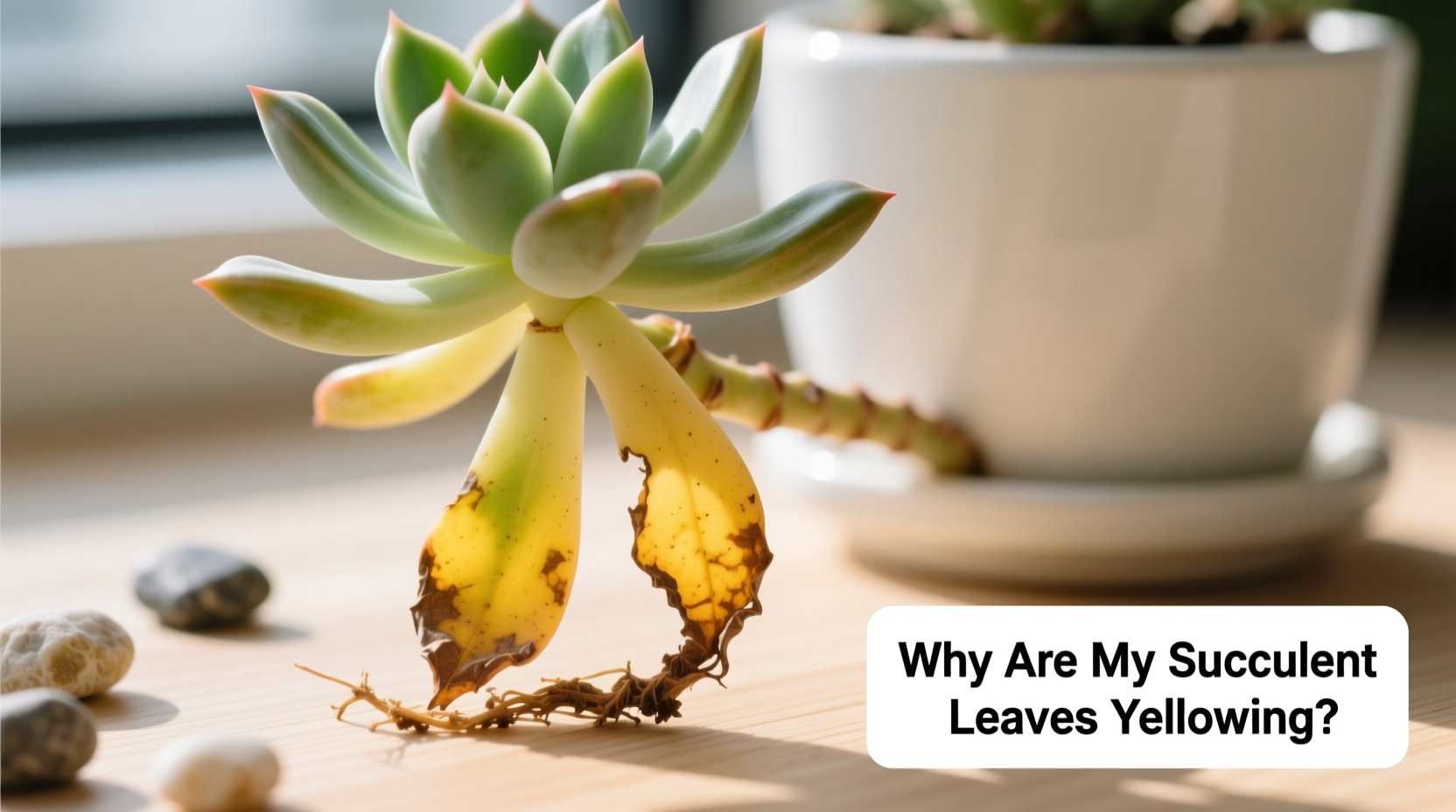
Not all yellowing is cause for alarm. Succulents naturally shed older, lower leaves as they grow. These leaves dry out, turn yellow or brown, and eventually fall off, making room for new growth at the top. This process, known as senescence, is part of a healthy life cycle.
The key is distinguishing natural shedding from stress-related decline. Natural leaf drop typically affects only one or two bottom leaves at a time, and the leaves become papery and dry before detaching. If multiple lower leaves are yellowing rapidly, feeling mushy, or showing signs of rot, the issue likely stems from environmental or cultural problems.
Primary Causes of Yellowing Bottom Leaves
When yellowing goes beyond normal aging, it’s usually due to one or more of the following factors:
1. Overwatering (The Most Common Culprit)
Overwatering is responsible for more succulent deaths than any other cause. These plants store water in their leaves and thrive in dry conditions. Excess moisture leads to root rot, which impairs nutrient uptake and causes leaves—especially the lower ones—to turn yellow, then translucent, and finally mushy.
Root rot begins in the soil and moves upward. Because the roots are compromised, they can't deliver oxygen and nutrients properly, leading to cellular breakdown in the lower foliage first.
2. Poor Drainage or Wrong Soil Mix
Even with moderate watering, succulents suffer if planted in dense, non-porous soil. Standard potting mixes retain too much moisture. Without proper drainage, water pools around the roots, creating the same conditions as overwatering.
A well-draining succulent mix—typically composed of perlite, coarse sand, and gritty components—is essential. Pots without drainage holes exacerbate the problem.
3. Insufficient Light
Succulents need bright, indirect to direct sunlight (4–6 hours daily). In low-light conditions, the plant stretches (etiolation) and redirects energy from older leaves to support new growth toward the light source. This causes the lower leaves to weaken, yellow, and drop prematurely.
Indoor growers often place succulents near north-facing windows or deep inside rooms where light levels are inadequate. The result is pale, weak growth and progressive leaf loss from the base.
4. Nutrient Imbalance or Depletion
While succulents don’t require frequent feeding, prolonged use of the same soil without replenishment can lead to nutrient depletion. A lack of essential elements like nitrogen, magnesium, or iron may manifest as chlorosis—yellowing between leaf veins.
Conversely, over-fertilizing can cause salt buildup in the soil, damaging roots and leading to leaf discoloration and drop.
5. Pests and Disease
Less commonly, pests like mealybugs, spider mites, or fungus gnats can stress a plant enough to trigger yellowing. Root diseases caused by fungi thrive in damp soil and attack the vascular system, impairing water transport and causing systemic decline.
Inspect the soil and undersides of leaves regularly. Mealybugs appear as white, cottony masses, while spider mites leave fine webbing.
“Succulents are more likely to die from kindness—overwatering—than neglect.” — Dr. Linda Chalker-Scott, Horticulturist and Author of *The Informed Gardener*
Step-by-Step Guide to Diagnose and Fix the Issue
Follow this timeline to assess and correct the cause of yellowing leaves:
- Observe the Pattern: Are only the oldest leaves affected? Is the yellowing sudden and widespread? Note texture—dry and crisp suggests under-watering or sunburn; soft and mushy indicates overwatering.
- Check Soil Moisture: Insert a finger or wooden skewer 1–2 inches into the soil. If it’s wet, wait to water. Allow soil to dry completely between waterings.
- Inspect the Roots: Gently remove the plant from its pot. Healthy roots are firm and white. Brown, black, or mushy roots indicate rot. Trim affected areas with sterilized scissors.
- Assess Light Exposure: Ensure the plant receives adequate brightness. Rotate the pot weekly for even growth. Consider using a grow light during winter months.
- Repot if Necessary: Use a terracotta or unglazed ceramic pot with a drainage hole. Fill with a gritty succulent mix (e.g., 2 parts potting soil, 1 part perlite, 1 part pumice).
- Adjust Watering Schedule: Water deeply but infrequently—only when soil is fully dry. Reduce frequency in winter when growth slows.
- Treat for Pests: Dab mealybugs with rubbing alcohol using a cotton swab. For mites, rinse leaves and apply insecticidal soap.
- Monitor Recovery: It may take 2–6 weeks to see improvement. New growth and stabilized leaf loss are positive signs.
Do’s and Don’ts: Quick Reference Table
| Do’s | Don’ts |
|---|---|
| Use pots with drainage holes | Use regular potting soil |
| Water only when soil is dry | Water on a fixed schedule regardless of conditions |
| Provide bright, indirect light | Place in dark corners or windowless rooms |
| Use a gritty, fast-draining mix | Let water sit in saucers or trays |
| Fertilize lightly once every 6 months | Apply high-nitrogen fertilizers frequently |
| Remove dead leaves gently to prevent infection | Pull off leaves aggressively, risking stem damage |
Mini Case Study: Reviving a Failing Echeveria
Jamie, a novice plant owner in Portland, noticed her blue-green Echeveria ‘Perle von Nürnberg’ was losing multiple bottom leaves. They turned yellow, then mushy, and fell off within days. Concerned, she stopped watering entirely—but the decline continued.
After consulting a local nursery, she learned that her decorative ceramic pot lacked drainage, and she had been watering every five days. She repotted the succulent into a terracotta container with a gritty mix, trimmed rotted roots, and placed it near a south-facing window. She waited two weeks before watering again.
Within a month, new pink-tipped leaves emerged from the center. No further yellowing occurred. Jamie now checks soil moisture with a chopstick and waters only when it comes out dry.
Care Checklist for Healthy Succulents
- ✅ Check soil dryness before each watering
- ✅ Use a pot with a drainage hole
- ✅ Provide 4–6 hours of bright light daily
- ✅ Use a specialized succulent or cactus soil mix
- ✅ Remove fallen leaves to prevent mold
- ✅ Rotate plant weekly for even growth
- ✅ Fertilize sparingly—once in spring, once in summer (if at all)
- ✅ Inspect monthly for pests or discoloration
- ✅ Keep leaves dry when watering to avoid rot
- ✅ Avoid misting—succulents prefer dry air
Frequently Asked Questions
Is it normal for succulents to lose bottom leaves?
Yes, mild leaf drop at the base is normal as the plant grows. However, rapid yellowing, softness, or multiple simultaneous losses signal stress and should be addressed.
Can I save a succulent with yellow leaves?
In most cases, yes—especially if caught early. Identify and correct the cause (usually overwatering or poor light), and the plant will often recover and produce new growth within weeks.
Should I cut off yellow leaves?
You can gently remove fully yellowed, dry leaves to improve appearance and reduce disease risk. Do not pull leaves that are still partially green or attached firmly, as this can damage the stem.
Conclusion: Proactive Care Prevents Problems
Yellowing bottom leaves in succulents are rarely random—they’re a message. Whether it’s too much water, not enough light, or unsuitable soil, the solution lies in attentive observation and timely correction. By understanding your plant’s needs and adjusting care accordingly, you can reverse decline and foster long-term vitality.
Remember, succulents thrive on simplicity. They demand little but respond profoundly to the right conditions. With proper watering, adequate light, and well-draining soil, your plant won’t just survive—it will flourish, producing tight rosettes and vibrant color for years to come.




 浙公网安备
33010002000092号
浙公网安备
33010002000092号 浙B2-20120091-4
Comments
No comments yet. Why don't you start the discussion?