
A constantly running toilet is more than just a nuisance—it’s a hidden waste of water and money. The average leaky toilet can waste up to 200 gallons of water per day, according to the Environmental Protection Agency (EPA). That adds up fast on your utility bill and contributes to unnecessary environmental strain. The good news? Most causes of a continuously running toilet are easy to diagnose and fix with basic tools and a little know-how. Whether it's a faulty flapper, misaligned float, or sediment buildup, understanding the inner workings of your toilet tank empowers you to restore quiet efficiency.
How a Toilet Tank Works: A Quick Overview
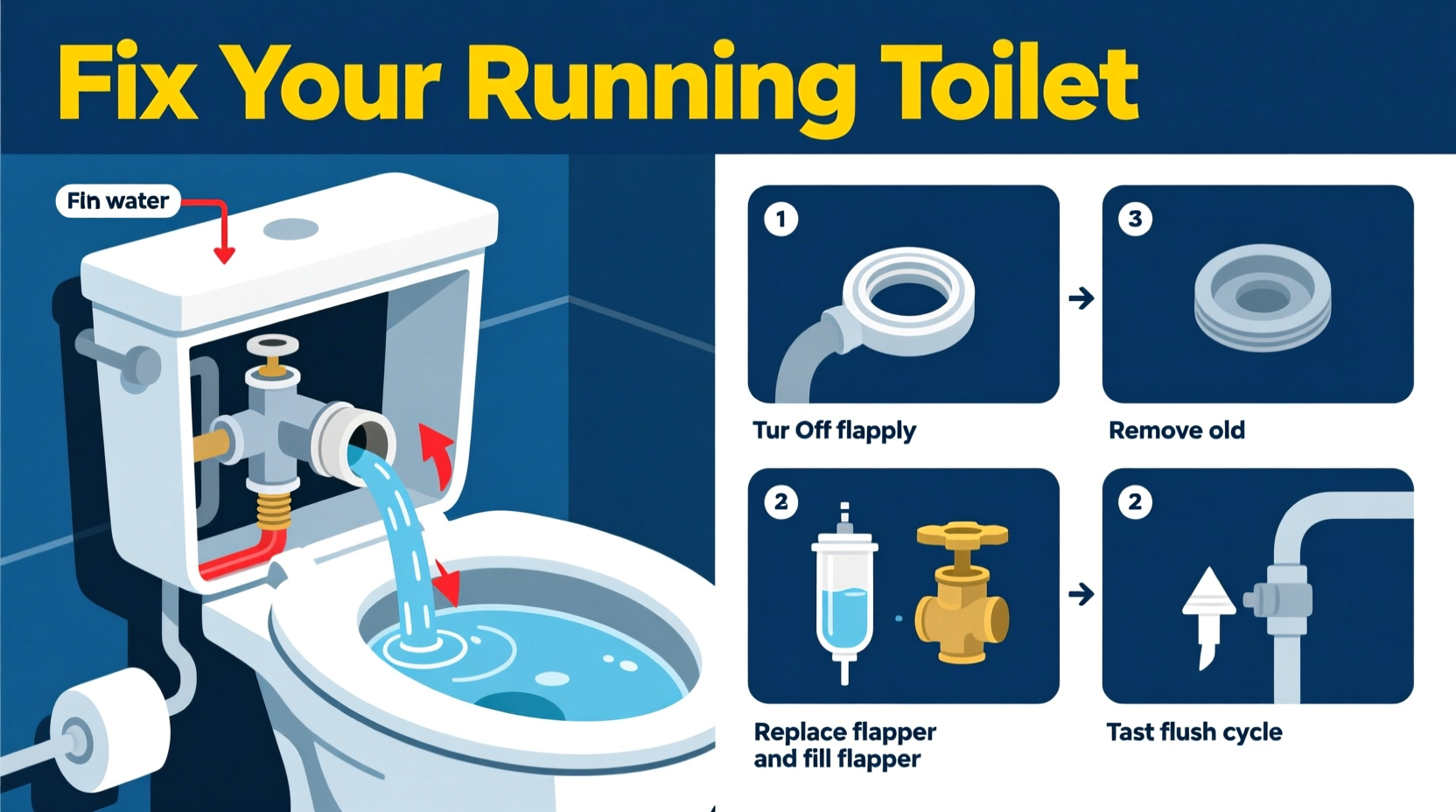
To understand why your toilet runs, it helps to know how it functions. When you flush, the flush handle lifts the flapper, allowing water to rush from the tank into the bowl. As the tank empties, the float drops, triggering the fill valve to open and refill the tank. Once the water reaches the proper level, the float rises and shuts off the fill valve. Any disruption in this cycle—whether mechanical, chemical, or due to wear—can cause the system to run continuously.
The key components involved include:
- Flapper: A rubber seal at the bottom of the tank that lifts during flushing.
- Fill Valve: Controls the inflow of water to refill the tank.
- Float: Rises with water level and shuts off the fill valve when full.
- Chain: Connects the flush handle to the flapper.
- Overflow Tube: Prevents flooding by directing excess water into the bowl.
Common Causes of a Running Toilet
Most toilet issues stem from one of five common problems inside the tank. Identifying the culprit is half the battle.
- Worn or Warped Flapper: Over time, the rubber flapper degrades and fails to create a watertight seal. This allows water to seep into the bowl, causing the fill valve to cycle on repeatedly.
- Improper Water Level: If the water level is too high, it spills into the overflow tube and runs nonstop. If too low, the toilet may not flush effectively.
- Malfunctioning Fill Valve: A defective fill valve may not shut off properly, leading to constant water flow even when the tank is full.
- Float Misalignment or Damage: A float set too high or stuck in place prevents the fill valve from closing.
- Sediment Buildup: Hard water deposits can clog the valve seat, flapper surface, or fill valve, impairing sealing and function.
Mini Case Study: The Phantom Flush
Jamie noticed her second-floor bathroom toilet made occasional gurgling sounds every hour, even when unused. After checking for visible leaks and finding none, she added blue food coloring to the tank. Within 15 minutes, blue streaks appeared in the bowl. The diagnosis: a degraded flapper failing to seal. Replacing the $8 part took 10 minutes and stopped the phantom flushes entirely. Her water bill dropped by $22 the next month.
Step-by-Step Guide to Fix a Running Toilet
Follow this systematic approach to diagnose and repair your running toilet:
- Turn Off the Water Supply: Locate the shutoff valve near the base of the toilet and turn it clockwise to stop water flow.
- Flush to Empty the Tank: Hold the handle down to drain most of the water.
- Inspect the Flapper: Check for cracks, warping, or mineral deposits. Ensure it sits flat on the flush valve seat. Replace if damaged.
- Adjust the Float Height: For ball-style floats, bend the brass arm downward slightly. For cup-style floats, pinch the clip and slide the float down. Ideal water level is about 1 inch below the top of the overflow tube.
- Check the Chain Length: There should be about 1/2 inch of slack. Too tight, and the flapper won’t seal; too loose, and it won’t lift fully.
- Clean Components: Wipe the flush valve seat and flapper with a soft cloth. Vinegar can help dissolve mineral buildup.
- Test the Fill Valve: Turn the water back on. If water continues to run into the overflow tube, adjust the float further or replace the fill valve.
- Replace Faulty Parts if Needed: Modern toilet repair kits include universal flappers and adjustable fill valves compatible with most brands.
Do’s and Don’ts When Repairing Your Toilet
| Do’s | Don’ts |
|---|---|
| Shut off water before starting repairs | Ignore small leaks—they worsen over time |
| Use manufacturer-recommended replacement parts | Over-tighten plastic connections (they crack easily) |
| Test the repair with food coloring | Flush debris down the toilet during cleaning |
| Regularly inspect tank components every 6–12 months | Use harsh chemical cleaners in the tank—they degrade rubber parts |
“Many homeowners wait until a problem becomes loud or obvious, but early detection of a running toilet can save thousands of gallons annually.” — Mark Reynolds, Master Plumber & EPA WaterSense Advisor
When to Call a Professional
While most running toilet issues are DIY-friendly, some situations require expert help:
- The fill valve continues to run despite adjustments and replacement.
- There are signs of cracks in the tank or bowl.
- Water pools around the base of the toilet—this may indicate a failed wax ring or supply line issue.
- You’re uncomfortable working with plumbing fixtures.
A licensed plumber can diagnose complex issues such as pressure imbalances, faulty internal seals, or outdated mechanisms in older toilets. In some cases, upgrading to a WaterSense-labeled toilet can improve efficiency and reduce long-term maintenance.
FAQ
How long should a toilet run after flushing?
A properly functioning toilet should refill within 30 to 60 seconds and then stop completely. If it runs longer than a minute or cycles on and off, there’s likely an issue with the float, fill valve, or flapper.
Can hard water cause my toilet to run?
Yes. Mineral deposits from hard water can accumulate on the flapper, flush valve seat, and fill valve, preventing a proper seal. Regular inspection and cleaning with vinegar can mitigate this issue.
How often should I replace the flapper?
Flappers typically last 4 to 5 years, but exposure to chemicals in tank cleaners can shorten their lifespan. Inspect annually and replace at the first sign of brittleness or warping.
Conclusion
A constantly running toilet is a solvable problem that shouldn’t be ignored. With a clear understanding of how your toilet operates and a few simple tools, you can identify and fix most causes yourself. From adjusting the float to replacing a worn flapper, these repairs take less than 30 minutes and pay for themselves in water savings. Regular maintenance not only prevents noise and waste but also extends the life of your plumbing system. Don’t let a small drip undermine your home’s efficiency—take action today and enjoy a quieter, drier, and more sustainable bathroom.




 浙公网安备
33010002000092号
浙公网安备
33010002000092号 浙B2-20120091-4
Comments
No comments yet. Why don't you start the discussion?