
Turtles are generally hearty eaters when conditions are right. So when your pet stops eating, it's natural to feel concerned. A lack of appetite in turtles can stem from a range of factors—some simple and easily corrected, others more serious. The key is knowing where to start. Jumping straight to panic or drastic measures won’t help, but a methodical approach often reveals the cause quickly. This guide walks through the most frequent reasons behind appetite loss in pet turtles and outlines the logical first steps you should take before considering medication or emergency vet visits.
Assess the Environment First
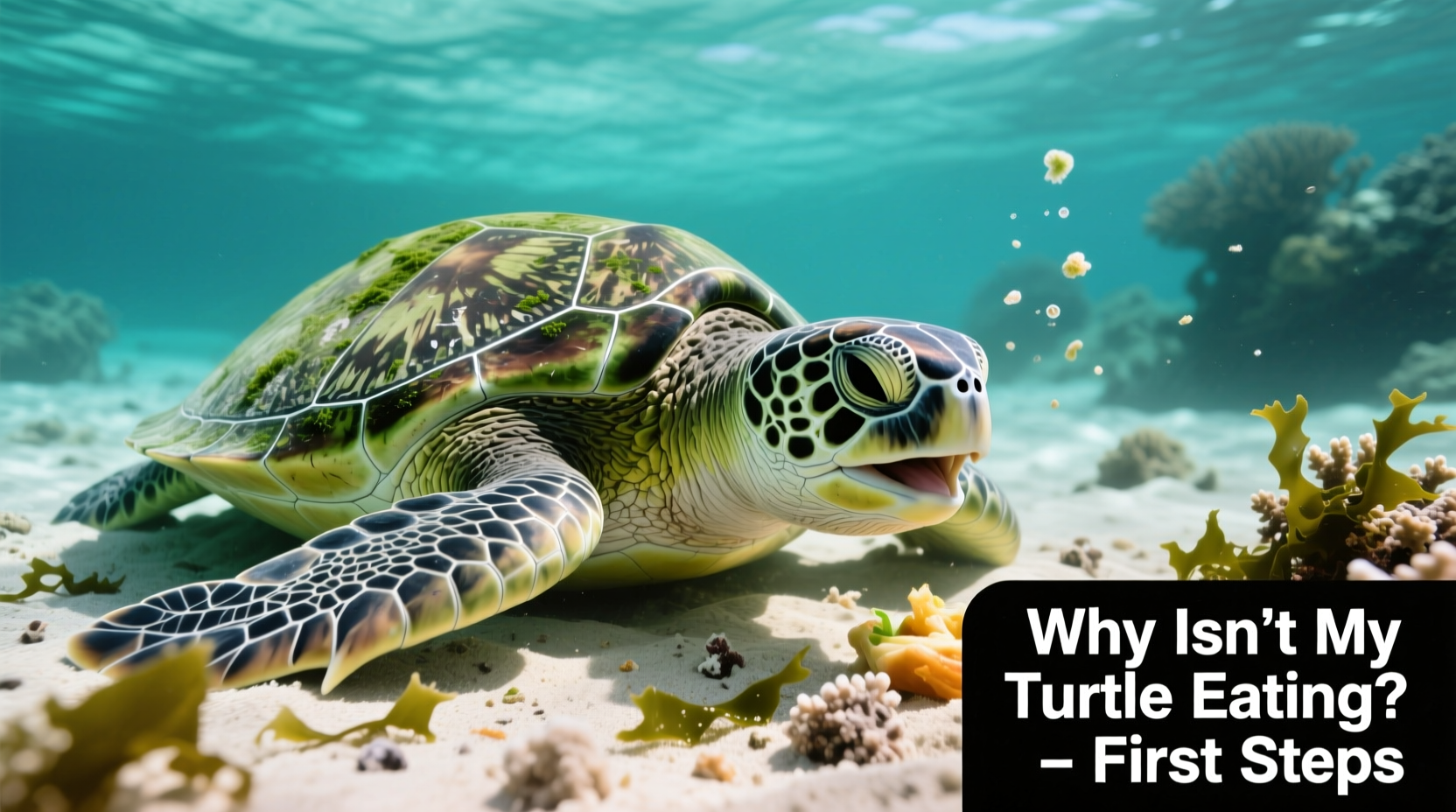
The habitat is the foundation of a turtle’s health. Unlike mammals, turtles are ectothermic—their body temperature and metabolic functions depend entirely on their surroundings. Even slight deviations in water temperature, lighting, or basking setup can suppress appetite within days.
Begin by verifying these core environmental parameters:
- Water temperature: Should be between 75°F and 80°F (24°C–27°C) for most aquatic species like red-eared sliders or painted turtles.
- Basking area temperature: Must reach 85°F–90°F (29°C–32°C). Without proper warmth, digestion slows or halts completely.
- UVB lighting: Turtles require UVB exposure for vitamin D3 synthesis, which enables calcium absorption. Lack of UVB leads to metabolic bone disease, fatigue, and appetite loss.
- Photoperiod: Ensure 10–12 hours of light per day. Inconsistent lighting disrupts circadian rhythms and feeding behavior.
If any of these values are off, correct them immediately and monitor your turtle for 48–72 hours. Appetite often returns once thermal balance is restored.
Rule Out Seasonal and Behavioral Factors
Not every case of reduced eating signals illness. Some behaviors are normal, especially in certain species or life stages.
Hibernation and Brumation
Colder months trigger brumation—a hibernation-like state—in many temperate-zone turtles. During this period, metabolism drops dramatically, and they may stop eating entirely for weeks or even months. However, brumation is not safe or necessary for all pet turtles.
Pet store-bought turtles, particularly young ones kept indoors year-round, should not brumate. Forcing or allowing brumation without preparation risks dehydration, starvation, and death.
“Brumation is a survival adaptation, not a routine event. Indoor pet turtles rarely need it—and attempting it without veterinary guidance is dangerous.” — Dr. Laura Simmons, Reptile Veterinarian
Stress from Changes
Turtles are sensitive to change. A new tank, loud environment, frequent handling, or even rearranged decor can lead to temporary anorexia. This is especially true for wild-caught or recently adopted turtles adjusting to captivity.
Give your turtle time—up to two weeks—to acclimate after any major change. Minimize disturbances and ensure hiding spots are available.
Check Diet and Feeding Practices
Sometimes the issue isn’t illness—it’s monotony. Turtles, like many animals, can grow bored with repetitive meals. Offering only one type of food, even if nutritionally adequate, may reduce interest over time.
A balanced diet varies by species, but generally includes:
- Commercial pellets (high-quality, species-specific)
- Live or frozen protein sources (e.g., earthworms, crickets, shrimp)
- Leafy greens (dandelion, romaine, kale—avoid iceberg lettuce)
- Occasional fruits (sparingly, due to sugar content)
Overfeeding Misconceptions
Another overlooked factor: overfeeding. Many owners feed daily, but adult turtles typically only need food every other day. Overfed turtles may refuse meals simply because they’re still digesting.
Young turtles (under 2 years) benefit from daily feeding, but adults thrive on less frequent, portion-controlled meals.
Step-by-Step: What to Try First
When your turtle skips meals, follow this sequence before assuming illness. Most cases resolve at Step 3 or 4.
- Verify temperatures and lighting. Check water and basking temps with reliable thermometers. Replace UVB bulbs older than 6–12 months.
- Inspect water quality. Test for ammonia, nitrite, and pH. Poor water quality stresses turtles and depresses appetite. Perform a 25–50% water change if needed.
- Offer varied, high-value foods. Try live earthworms, gut-loaded crickets, or small pieces of tilapia. These stimulate hunting instincts.
- Reduce stressors. Turn off loud appliances nearby, limit handling, and add visual barriers or hides.
- Fast for 48 hours, then re-offer food. Sometimes a short break resets digestive motivation.
- Observe behavior closely. Is the turtle active? Swimming normally? Eyes open and clear? Lethargy or buoyancy issues suggest medical concerns.
- Consult a reptile vet if no improvement in 7–10 days. Especially critical if weight loss, discharge, or swelling is present.
| Factor | Normal Sign | Warning Sign |
|---|---|---|
| Eating habits | Occasional skipped meal | No food eaten for 10+ days |
| Activity level | Regular basking, swimming | Lethargic, floating lopsidedly |
| Eyes | Bright, open | Swollen, closed, or sunken |
| Respiration | Quiet, effortless | Bubble from nose, gasping |
Medical Causes That Require Attention
If environmental and dietary fixes don’t work, underlying health issues become more likely. Common medical problems include:
- Respiratory infections: Often caused by cold temperatures. Symptoms include wheezing, mucus bubbles, and neck stretching to breathe.
- Metabolic Bone Disease (MBD): From calcium or UVB deficiency. Signs include soft shell, tremors, and reluctance to move.
- Parasites: Internal worms or protozoa reduce nutrient absorption and appetite. Diagnosed via fecal exam.
- Dental or mouth issues: Mouth rot (stomatitis) causes pain and refusal to eat. Look for redness, swelling, or cheesy discharge.
- Intestinal blockages: Caused by ingesting gravel or foreign objects. May present with constipation and bloating.
These conditions require veterinary diagnosis and treatment. Do not attempt home remedies like force-feeding or over-the-counter antibiotics.
Mini Case Study: Luna the Red-Eared Slider
Luna, a 3-year-old red-eared slider, stopped eating after her owner upgraded her tank. The new setup included stronger filtration but lacked a properly heated basking zone. The basking light was positioned too far away, resulting in a surface temperature of only 78°F.
For two weeks, Luna remained active but refused all food. Her owner tested water parameters (which were fine), tried different foods, and grew increasingly worried. Only after measuring the basking spot with an infrared thermometer did the problem become clear.
After adjusting the lamp height and adding a ceramic heat emitter, the basking area reached 88°F. Within 48 hours, Luna resumed eating—starting with a live earthworm offered on the warm rock. No illness was present; just a subtle thermal imbalance that disrupted digestion.
Prevention Checklist: Keep Appetite Strong
Maintaining consistent care prevents most feeding issues. Use this checklist monthly:
- ✅ Check water temperature daily with a reliable thermometer
- ✅ Replace UVB bulb every 6–12 months (even if still glowing)
- ✅ Clean filter media monthly (rinse in dechlorinated water)
- ✅ Offer at least three different food types weekly
- ✅ Observe behavior for 5–10 minutes daily
- ✅ Schedule annual vet checkups with a reptile specialist
Frequently Asked Questions
How long can a healthy turtle go without eating?
Adult turtles can survive several weeks without food if otherwise healthy, thanks to slow metabolisms. However, going beyond 10–14 days without eating warrants investigation. Juveniles should not go more than 5–7 days without food.
Should I force-feed my turtle?
No. Force-feeding can cause aspiration (inhaling food into lungs) and increases stress. It should only be done under veterinary supervision, typically using a liquid supplement via syringe.
Can tap water affect my turtle’s appetite?
Yes. Untreated tap water contains chlorine and chloramines, which irritate sensitive tissues. Always use a water conditioner designed for reptiles or amphibians. High mineral content (hard water) can also build up and affect health over time.
Conclusion: Start Simple, Act Wisely
A turtle not eating is unsettling, but rushing to extreme conclusions rarely helps. Begin with the basics: temperature, lighting, water quality, and diet variety. Most cases trace back to manageable husbandry issues rather than disease. By following a calm, structured approach, you’ll often uncover the root cause within days.
Keep detailed notes—when you changed bulbs, performed water changes, or introduced new foods. These records prove invaluable during vet consultations. And never underestimate the power of patience: some turtles simply eat erratically, especially during seasonal shifts or growth phases.
If adjustments fail and symptoms worsen, seek help from a qualified reptile veterinarian. Early intervention improves outcomes dramatically. But in most cases, attentive care at home is all it takes to see your turtle eagerly snapping up its next meal.




 浙公网安备
33010002000092号
浙公网安备
33010002000092号 浙B2-20120091-4
Comments
No comments yet. Why don't you start the discussion?