
Warm urine is a sensation many people notice from time to time, often during urination or immediately after. While it might seem unusual or concerning at first, warm urine is typically normal and related to body temperature regulation. However, in some cases, persistent warmth—especially when accompanied by other symptoms—can signal an underlying medical condition. Understanding the difference between what’s typical and what warrants concern is key to maintaining urinary and overall health.
Understanding Normal Body and Urine Temperature
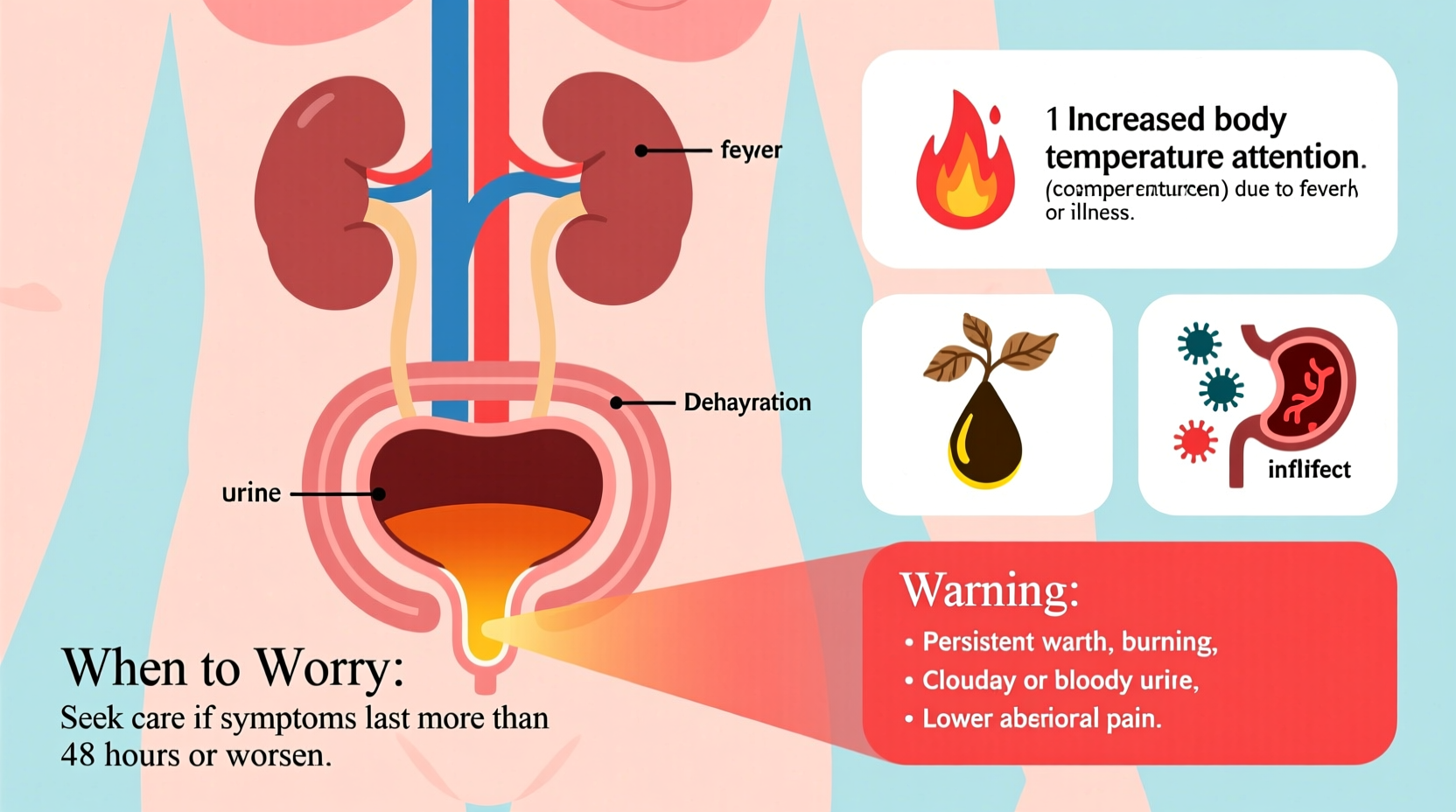
The human body maintains an average internal temperature of about 98.6°F (37°C). Since urine is produced by the kidneys and stored in the bladder—both internal organs—it naturally reflects this core temperature. When you urinate, especially in cooler environments, the contrast between ambient air and your body-warmed urine can make it feel distinctly warm or even hot.
This sensation is usually harmless and expected. In fact, if your urine were significantly cooler than body temperature, that would be more physiologically unusual. The warmth itself isn’t a symptom; rather, it’s a reflection of your body’s normal thermoregulation.
Common Causes of Warm or Hot-Sensation Urine
While urine warmth alone is generally not a cause for alarm, several factors can influence how warm it feels or whether it seems unusually hot. Below are the most frequent explanations:
- Body temperature fluctuations: Fever, exercise, or being in a hot environment raises core body temperature, which in turn warms urine.
- Dehydration: Concentrated urine due to low fluid intake may feel warmer and have a stronger odor or darker color.
- Recent physical activity: After working out or exertion, your body heats up, affecting all internal fluids including urine.
- Hormonal changes: Women may notice warmer urine during ovulation, pregnancy, or menstruation due to elevated basal body temperature.
- Medications and supplements: Some drugs, like B vitamins or antibiotics, can alter urine composition and perception of temperature.
In most cases, these causes are temporary and resolve on their own with hydration, rest, or time.
When Warm Urine Might Signal a Problem
The sensation of warm urine becomes medically relevant when it's paired with discomfort, pain, or systemic symptoms. What matters less is the actual temperature and more the associated signs that could point to infection or inflammation.
For example, if urine feels hot *and* you experience burning during urination, urgency, cloudy appearance, or pelvic pain, it may indicate a urinary tract infection (UTI). Similarly, kidney infections or sexually transmitted infections (STIs) can produce similar sensations along with fever, chills, or back pain.
“Patients often describe their urine as 'hot' when they have a UTI. It's not the temperature changing dramatically—it’s the inflamed urethra reacting to even normal-temperature urine.” — Dr. Lena Patel, Urologist
Red Flags That Warrant Medical Attention
Seek prompt evaluation if warm urine is accompanied by any of the following:
- Burning or stinging during urination
- Frequent urge to urinate with little output
- Fever or chills
- Lower abdominal or flank pain
- Cloudy, bloody, or foul-smelling urine
- Nausea or vomiting
These symptoms may suggest a UTI, kidney stones, prostatitis (in men), or pyelonephritis (kidney infection), all of which require timely diagnosis and treatment.
Do’s and Don’ts: Managing Urine Temperature Concerns
| Do’s | Don’ts |
|---|---|
| Stay well-hydrated throughout the day | Ignore persistent burning or pain with urination |
| Monitor changes in urine color, smell, or frequency | Use scented soaps or douches that irritate the urethra |
| Wipe front to back (especially in women) to prevent bacterial spread | Delay seeing a doctor if fever and back pain develop |
| Track symptoms over time to share with your healthcare provider | Assume all warmth is “just dehydration” without assessing other clues |
Real-Life Example: Recognizing a UTI Early
Samantha, a 29-year-old teacher, noticed her urine felt unusually warm one morning. At first, she dismissed it as leftover heat from a late-night workout. But within hours, she began experiencing a sharp burning sensation when urinating, along with a constant urge to go despite passing only small amounts.
She also felt mild lower abdominal cramping and fatigue. Remembering a prior UTI, she checked her temperature and found a low-grade fever of 100.4°F (38°C). She contacted her clinic the same day and was prescribed antibiotics after a positive dipstick test. By acting quickly, she avoided progression to a kidney infection.
This case illustrates how the perception of warm urine can be the earliest subtle clue—especially when combined with other warning signs.
Step-by-Step: What to Do If You’re Concerned About Warm Urine
- Assess for additional symptoms: Check for pain, fever, urgency, or changes in urine appearance.
- Hydrate: Drink water to dilute urine and support natural flushing of bacteria.
- Take your temperature: A reading above 100.4°F (38°C) suggests possible infection.
- Use a home UTI test (optional): Over-the-counter strips can detect nitrites or leukocytes, indicating infection.
- Contact a healthcare provider: Especially if symptoms persist beyond 24 hours or worsen.
- Follow through with testing: A urinalysis or urine culture may be needed for accurate diagnosis.
Frequently Asked Questions
Can warm urine be a sign of pregnancy?
Not directly. However, pregnant individuals often have a slightly elevated body temperature and increased blood flow to the pelvic area, which may make urine feel warmer. More telling signs of pregnancy include missed periods, nausea, breast tenderness, and positive tests. Always confirm with a healthcare provider.
Is it normal for urine to feel hotter after drinking alcohol?
Alcohol can cause dehydration, leading to more concentrated, darker urine that may feel warmer. It also affects body temperature regulation and can induce flushing or sweating, altering thermal perception. Staying hydrated while consuming alcohol reduces these effects.
Can stress cause warm urine?
Stress doesn’t change urine temperature directly, but it can trigger muscle tension, including in the pelvic floor, which may heighten sensitivity during urination. Anxiety can also amplify bodily sensations, making normal warmth feel more intense.
Conclusion: Listen to Your Body—and Know When to Act
Warm urine is usually nothing to worry about. It’s a natural consequence of your body’s internal temperature and rarely indicates illness on its own. But when warmth is paired with pain, fever, or urinary changes, it can be an early signal of infection or inflammation requiring attention.
The key is awareness without alarm. Stay hydrated, pay attention to your body’s signals, and don’t hesitate to seek care when something feels off. Urinary health is an essential part of overall wellness—and catching issues early can prevent complications down the line.




 浙公网安备
33010002000092号
浙公网安备
33010002000092号 浙B2-20120091-4
Comments
No comments yet. Why don't you start the discussion?