
Blurry vision after inserting contact lenses is a common complaint among wearers, but it shouldn’t be dismissed as normal. While occasional blurriness may seem minor, persistent or recurring issues can signal underlying problems with lens fit, eye health, or hygiene habits. Understanding the root causes is essential—not only for clear vision but also for long-term ocular wellness. Whether you're a new wearer or have used contacts for years, recognizing when blurriness is a warning sign versus a temporary adjustment can make all the difference.
Common Causes of Blurry Vision After Wearing Contacts
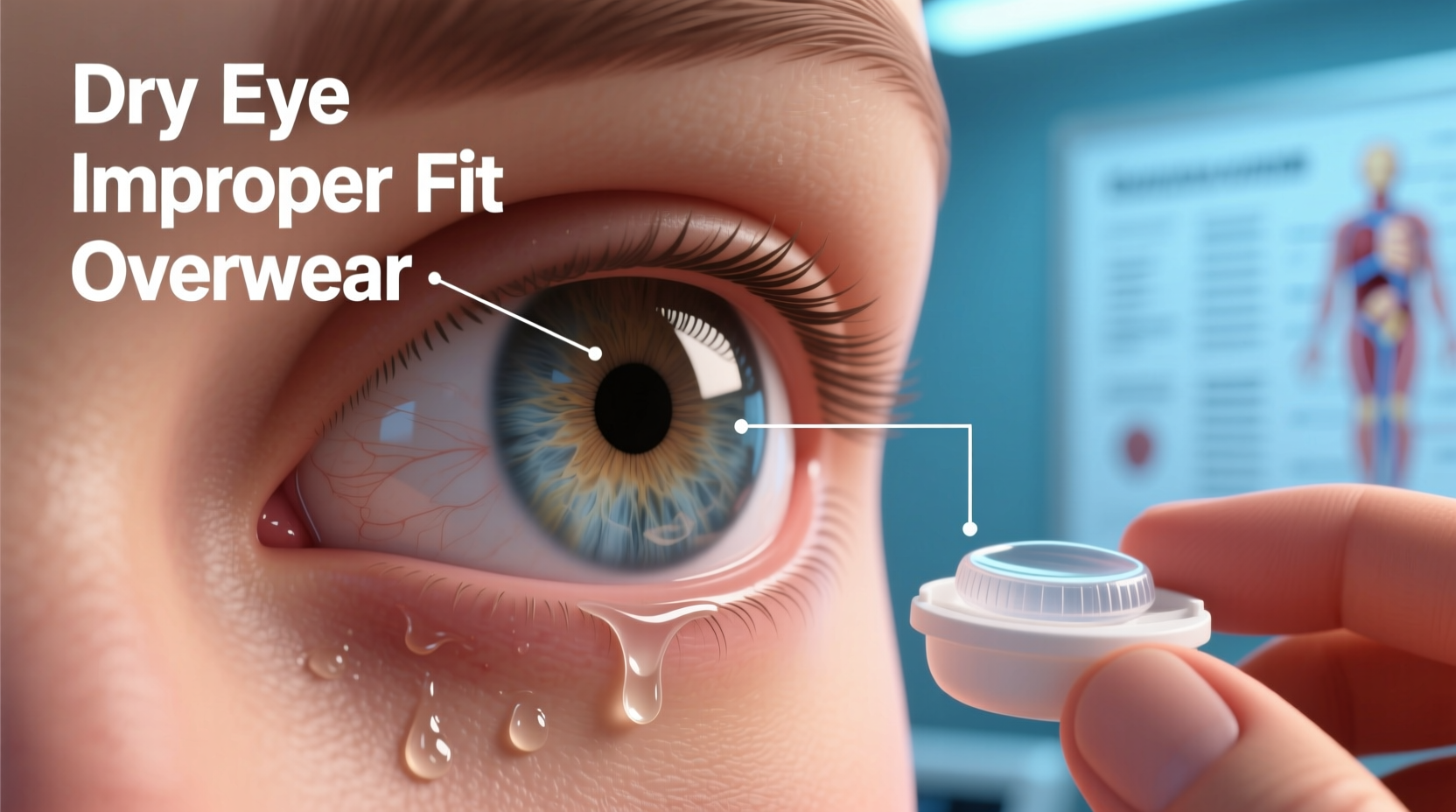
Several factors contribute to blurred vision once contacts are in place. Some are easily corrected; others require professional attention. Identifying the cause is the first step toward resolution.
- Lens Misalignment or Rotation: Toric lenses, designed for astigmatism, must align correctly on the eye. If they rotate out of position, vision becomes distorted or blurry.
- Dry Eyes: Contact lenses reduce oxygen flow and tear distribution across the cornea. When eyes don’t produce enough tears or tears evaporate too quickly, dry spots form, leading to intermittent blurriness.
- Lens Deposits: Protein, lipid, and debris buildup from tears coats the lens surface over time, reducing clarity and comfort—especially with extended wear.
- Improper Fit: Lenses that are too tight restrict oxygen; those that are too loose move excessively, distorting vision with every blink.
- Outdated Prescription: Vision changes over time. Wearing lenses based on an old prescription leads to under- or over-correction, causing blur.
- Oxygen Deprivation (Hypoxia): Low-Dk (oxygen permeability) materials or sleeping in lenses can starve the cornea of oxygen, triggering swelling and haze.
- Corneal Swelling or Edema: Prolonged wear, especially overnight, may cause fluid retention in the cornea, resulting in temporary blurriness upon waking.
How Poor Hygiene Contributes to Vision Problems
One of the most preventable yet frequently overlooked causes of blurry vision is inadequate lens care. Millions of contact lens users compromise their eye health through shortcuts in cleaning routines.
Using tap water, reusing solution, or skipping daily disinfection introduces microorganisms like Pseudomonas aeruginosa, which can lead to serious infections such as microbial keratitis. Even without infection, biofilm accumulation dulls lens transparency and interferes with light refraction.
“Over 80% of contact lens complications stem from user behavior, not the lenses themselves.” — Dr. Linda Wong, Optometrist and Contact Lens Specialist
Additionally, failing to replace lens cases every three months significantly increases bacterial load. A study by the CDC found that nearly half of all cases tested harbored harmful microbes after six weeks of use.
Essential Lens Care Checklist
- Wash and dry hands thoroughly before handling lenses.
- Use only fresh multipurpose solution—never top off old solution.
- Rub and rinse each lens for at least 20 seconds, even if using “no-rub” solutions.
- Store lenses in clean solution for the recommended disinfection time (usually 4–6 hours).
- Replace lens case every 3 months—or sooner if cracked or cloudy.
- Avoid exposure to water: no swimming, showering, or rinsing lenses with tap water.
- Adhere strictly to replacement schedule (daily, bi-weekly, monthly).
Environmental and Lifestyle Triggers
Your surroundings and daily habits play a major role in contact lens comfort and visual clarity. Modern lifestyles often create environments hostile to healthy eyes.
Extended screen time reduces blink rate by up to 60%, leading to incomplete blinking and unstable tear films. Air conditioning, heating systems, and low-humidity indoor spaces accelerate tear evaporation. Smoky or polluted air further irritates the ocular surface, increasing mucus production that adheres to lenses.
| Factor | Effect on Vision | Prevention Strategy |
|---|---|---|
| Digital Screen Use | Tear film breakup, dryness, fluctuating blur | Follow 20-20-20 rule; use artificial tears |
| Low Humidity (e.g., airplanes, offices) | Lens dehydration, foggy vision | Use humidifiers; switch to daily disposables |
| Allergens (pollen, dust) | Itching, mucus, lens clouding | Wear glasses during high-allergy seasons |
| Smoking or Secondhand Smoke | Irritation, reduced tear quality | Avoid exposure; increase lens replacement frequency |
Real Example: Office Worker Experiences Midday Blur
Sarah, a 29-year-old graphic designer, began noticing her vision fading into fuzziness by noon. She wore monthly silicone hydrogel lenses and rarely removed them during work hours. After consulting her optometrist, she learned that her office’s HVAC system was drying the air, and her 10-hour screen routine reduced her blink rate to just 5 per minute (normal is 15–20). The combination caused severe dry eye and protein buildup. Switching to daily disposables and setting hourly reminders to blink and hydrate her eyes resolved the issue within a week.
Step-by-Step Guide to Preventing Blurry Vision
Proactive habits are more effective than reactive fixes. Follow this timeline to maintain sharp, stable vision throughout the day.
- Morning Routine (Before Insertion):
- Inspect lenses for tears, warping, or deposits.
- Ensure hands are clean and dry.
- Check for redness, irritation, or discharge in the eyes—delay insertion if present.
- Midday Maintenance:
- Blink fully and frequently, especially during screen use.
- Use preservative-free artificial tears compatible with contacts.
- Carry rewetting drops and sunglasses to reduce glare and wind exposure.
- Evening Removal:
- Remove lenses before feeling discomfort.
- Clean and store properly, or dispose of dailies immediately.
- Apply lubricating eye drops if eyes feel tired or gritty.
- Weekly Habits:
- Deep-clean reusable cases with solution and air-dry upside down.
- Assess lens condition—replace early if hazy or uncomfortable.
- Every 6 Months:
- Schedule a comprehensive eye exam to update prescription and evaluate corneal health.
- Discuss any recurring symptoms with your eye care provider.
When to See an Eye Care Professional
Not all blurriness can be self-corrected. Certain symptoms demand immediate evaluation:
- Persistent blur that doesn’t improve with lens removal
- Pain, light sensitivity, or excessive tearing
- Redness lasting more than a few hours
- Sudden onset of halos or double vision
- Feeling something is “stuck” in the eye despite lens removal
These could indicate corneal abrasions, ulcers, infections, or conditions like keratoconus. Delaying treatment risks permanent vision loss. According to the American Optometric Association, contact lens wearers have a higher incidence of corneal infections compared to non-wearers—making vigilance crucial.
Expert Insight on Long-Term Lens Safety
“The safest contact lens is one worn according to the prescribed schedule and monitored regularly. Annual check-ups aren’t optional—they’re preventive medicine for your eyes.” — Dr. Rajiv Patel, Cornea and Refractive Surgery Specialist
Frequently Asked Questions
Can wearing contacts too long cause permanent blurry vision?
While temporary blurriness from oxygen deprivation usually resolves after stopping lens wear, chronic hypoxia can lead to corneal neovascularization—where blood vessels grow into the cornea. This change may be irreversible and can impair vision permanently if untreated.
Why do my contacts get blurry only in the afternoon?
This is typically due to dry eye, lens dehydration, or accumulated deposits over the day. Environmental factors like air conditioning and screen use worsen it. Try switching to daily disposables, using rewetting drops, or taking short breaks with glasses in the afternoon.
Is it safe to sleep in my contacts if I accidentally fall asleep?
Occasional overnight wear with approved extended-wear lenses carries lower risk, but regular sleeping in non-approved lenses increases the chance of infection by six to eight times. Always remove lenses before bed unless explicitly cleared by your eye doctor for continuous wear.
Conclusion: Clarity Starts with Care
Blurry vision after wearing contacts isn’t something to simply adapt to—it’s a signal. Your eyes communicate discomfort, imbalance, or damage through symptoms like haze, distortion, or fluctuating focus. By understanding the causes and committing to disciplined hygiene, proper fitting, and regular professional evaluations, you reclaim not just clarity but long-term eye health.
Contact lenses offer freedom and convenience, but they demand responsibility. Evaluate your current habits: Are you replacing lenses on time? Cleaning properly? Giving your eyes rest? Small adjustments today can prevent significant problems tomorrow. Your vision is worth the effort.




 浙公网安备
33010002000092号
浙公网安备
33010002000092号 浙B2-20120091-4
Comments
No comments yet. Why don't you start the discussion?