
Hoarseness after singing is a common experience for both amateur and professional vocalists. Whether you're performing on stage, recording in the studio, or just belting out tunes at karaoke night, coming away with a raspy, strained voice can be frustrating—and sometimes alarming. The good news is that most cases are temporary and stem from avoidable causes. Understanding why your voice becomes hoarse and how to properly care for it can make all the difference between short-term discomfort and long-term vocal damage.
Vocal hoarseness typically involves changes in pitch, volume, or tone, often accompanied by a scratchy or breathy quality. It’s not just an inconvenience—it’s your body signaling that your vocal folds need attention. With the right knowledge and habits, singers can reduce recovery time, maintain vocal health, and perform more consistently.
Understanding Vocal Hoarseness: What’s Happening in Your Throat?
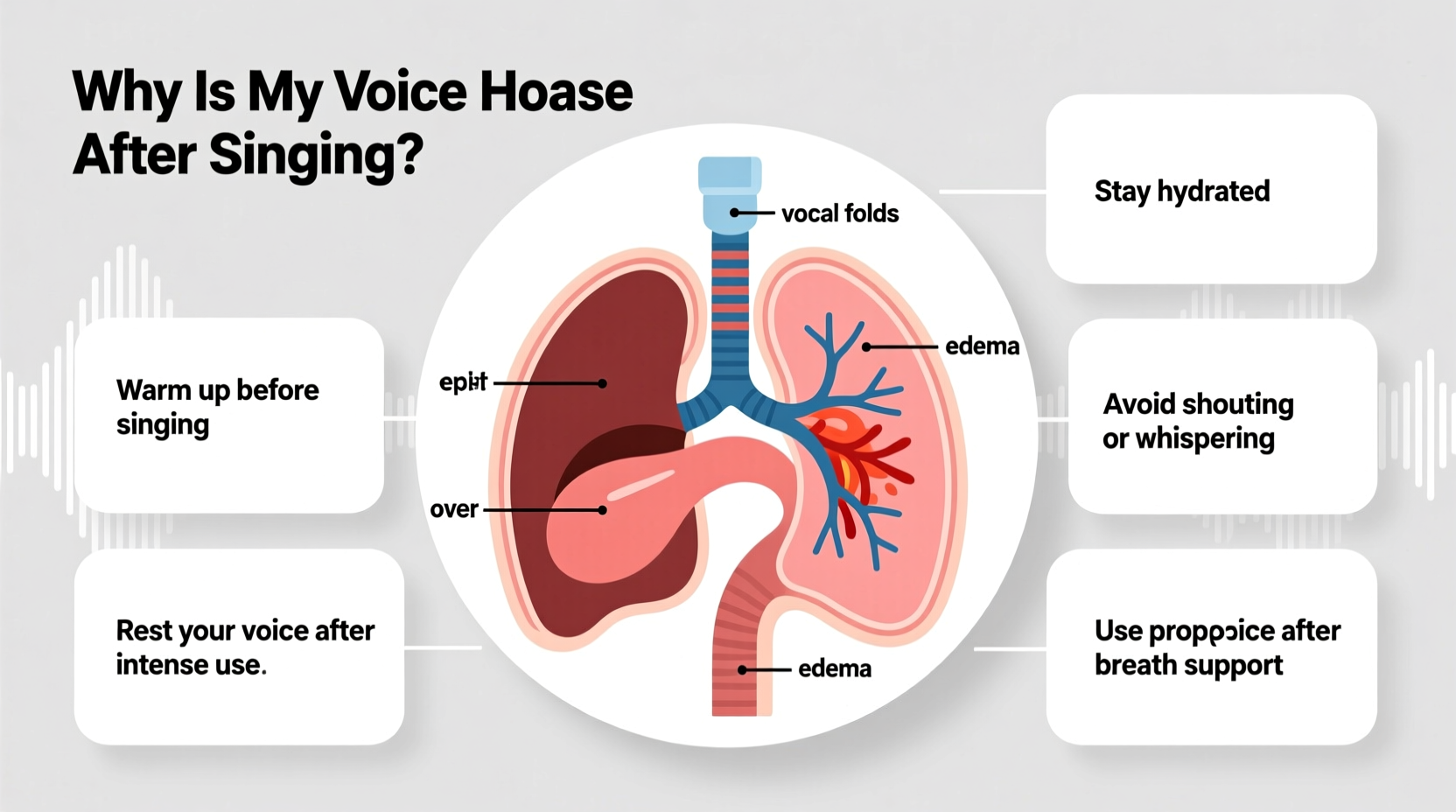
Your voice is produced when air from your lungs passes through the larynx, causing the vocal folds (also called vocal cords) to vibrate. These delicate tissues must come together and separate rapidly—sometimes hundreds of times per second—to create sound. When they become inflamed, swollen, or irritated, their ability to vibrate smoothly is compromised, resulting in hoarseness.
Singing places significant mechanical stress on the vocal folds. Unlike casual speaking, singing demands greater pitch control, dynamic range, and sustained phonation. Pushing beyond your current vocal capacity—especially without proper warm-up or technique—can lead to microtrauma in the tissue. Over time, this can cause swelling, small hemorrhages, or even nodules if left unaddressed.
Dr. Robert Sataloff, a leading otolaryngologist and chairman of the division of otolaryngology at Drexel University College of Medicine, explains:
“Singers are athletes of the small muscles in the larynx. Just like a runner risks injury without training, a singer risks vocal trauma without proper preparation and recovery.” — Dr. Robert Sataloff, Laryngologist & Vocal Health Specialist
The most common causes of post-singing hoarseness include vocal fatigue, dehydration, improper technique, overuse, and environmental factors such as dry air or allergens. While occasional hoarseness is normal, persistent symptoms lasting more than two weeks should be evaluated by a medical professional.
Top 7 Vocal Care Tips to Recover and Prevent Hoarseness
Recovering from a hoarse voice isn’t just about resting—you need a strategic approach to healing and prevention. Here are seven evidence-based tips to help you restore your vocal clarity and protect your instrument.
1. Prioritize Vocal Rest
After intense singing, give your vocal folds time to heal. Avoid whispering, shouting, or prolonged talking. Whispering may seem gentle, but it actually increases tension in the larynx and can worsen irritation.
2. Hydrate from the Inside Out
Vocal folds rely on a thin layer of mucosal fluid to vibrate efficiently. Dehydration thickens this layer, increasing friction and strain. Drink plenty of water throughout the day—aim for at least 2 liters (about 8 cups), more if you’re in a dry climate or have been sweating.
Avoid dehydrating substances like caffeine and alcohol, especially before and after singing. These can reduce blood flow to the vocal tissues and impair healing.
3. Use Steam Inhalation
Inhaling warm, moist air helps hydrate the vocal folds directly. Fill a bowl with hot (not boiling) water, lean over it with a towel draped over your head, and breathe deeply for 5–10 minutes. Adding a few drops of eucalyptus oil may soothe irritation, but avoid harsh essential oils that could irritate sensitive tissues.
Alternatively, use a facial steamer or take a long, steamy shower to achieve similar results.
4. Avoid Irritants
Smoke, strong perfumes, cleaning chemicals, and airborne allergens can inflame the larynx. If you're recovering from hoarseness, stay away from cigarette smoke—even secondhand exposure—and consider using an air purifier in your bedroom.
5. Maintain Humidity in Your Environment
Dry indoor air, especially in winter or air-conditioned spaces, dries out mucous membranes. Use a humidifier in your home, particularly while sleeping, to keep relative humidity between 40% and 60%.
6. Reevaluate Your Technique
Poor vocal technique is one of the leading causes of chronic hoarseness. Singing with excessive tension, pushing volume instead of resonance, or mismanaging breath support forces the larynx to work harder than necessary.
Work with a qualified vocal coach to identify and correct inefficient habits. Focus on breath control, vowel shaping, and minimizing throat constriction.
7. Warm Up and Cool Down Properly
Just as athletes stretch before and after exercise, singers must condition their voices. A proper warm-up increases blood flow to the vocal folds and prepares them for demanding tasks. Cooling down helps dissipate tension and promotes recovery.
Vocal Recovery Timeline: What to Do Hour by Hour
If you’ve just finished a strenuous singing session and feel hoarseness setting in, follow this step-by-step recovery timeline to optimize healing.
- Immediately After Singing (0–30 minutes): Hydrate with room-temperature water. Avoid cold drinks, which can cause muscle tightening. Perform gentle neck and jaw stretches to release residual tension.
- 30 Minutes to 2 Hours Post-Singing: Begin steam inhalation. Refrain from speaking unnecessarily. If you must talk, use a normal conversational tone—do not whisper.
- 2–6 Hours: Eat a light, non-spicy meal. Acid reflux can aggravate vocal irritation, so avoid acidic or fatty foods. Continue drinking water.
- 6–24 Hours: Limit vocal use entirely. No singing, loud talking, or phone calls. Use this time for passive recovery: rest, read, or meditate.
- 24–72 Hours: Gradually reintroduce speech. Monitor your voice—if hoarseness persists, extend vocal rest. Begin gentle humming or lip trills only if there’s no pain or strain.
- After 72 Hours: If hoarseness remains, consult an ENT specialist or voice therapist. Persistent symptoms may indicate vocal nodules, polyps, or other pathology.
Do’s and Don’ts of Post-Singing Vocal Care
| Do’s | Don’ts |
|---|---|
| Drink plenty of water throughout the day | Consume alcohol or caffeine after singing |
| Use a humidifier in dry environments | Whisper or clear your throat frequently |
| Perform gentle vocal cool-down exercises | Sing high or loud notes during recovery |
| Seek feedback from a vocal coach | Ignore pain or persistent hoarseness |
| Rest your voice for 24–48 hours after heavy use | Smoke or expose yourself to secondhand smoke |
Real-Life Example: How a Touring Singer Managed Recurrent Hoarseness
Maya, a 28-year-old backup vocalist on a national tour, began experiencing hoarseness after every performance. Initially, she dismissed it as normal fatigue. But after missing two shows due to complete voice loss, she consulted a laryngologist.
Examination revealed mild vocal fold swelling and early signs of vocal nodules. The doctor traced the issue to three key factors: inadequate hydration, lack of post-show cooldown, and singing in smoky venues.
With guidance from her vocal coach and physician, Maya implemented a new routine: she started carrying a large water bottle, used a portable steamer backstage, avoided talking in loud bars after concerts, and performed a 10-minute cooldown sequence including semi-occluded vocal tract exercises (like straw phonation).
Within six weeks, her voice stabilized. She hasn’t missed a show since. “I learned that taking care of my voice isn’t optional,” Maya says. “It’s part of the job.”
Essential Vocal Care Checklist
Use this checklist to protect your voice before, during, and after singing:
- ✅ Hydrate well throughout the day (water, herbal teas)
- ✅ Warm up for 10–15 minutes before singing
- ✅ Avoid caffeine and alcohol 4 hours before and after performances
- ✅ Use proper microphone technique to avoid over-projecting
- ✅ Perform a 5–10 minute cool-down after singing
- ✅ Rest your voice for at least 24 hours after intense use
- ✅ Steam your vocal folds daily if prone to dryness
- ✅ Schedule regular check-ins with a vocal coach or ENT if you sing frequently
Frequently Asked Questions
Is it normal to be hoarse after singing?
Mild hoarseness or fatigue after extended singing can be normal, especially if you're new to vocal training or have pushed your limits. However, persistent hoarseness, pain, or voice breaks are not normal and should be addressed. Healthy voices should recover within a day or two with proper care.
Can yelling or talking loudly damage my singing voice?
Yes. Yelling, screaming, or even prolonged talking in noisy environments forces your vocal folds to collide with greater force, increasing the risk of inflammation and injury. This kind of misuse can lead to vocal nodules or polyps over time, especially in singers who rely on a healthy larynx.
How long should I rest my voice after it gets hoarse?
For mild hoarseness, 24 to 48 hours of relative vocal rest is usually sufficient. During this time, avoid talking unless absolutely necessary. If hoarseness lasts longer than 10–14 days, or if you experience pain, complete voice loss, or frequent recurrence, see an ear, nose, and throat (ENT) specialist who specializes in voice disorders.
Protect Your Voice Like the Instrument It Is
Your voice is both a gift and a tool—one that requires consistent care and intelligent use. Hoarseness after singing doesn’t have to be inevitable. By understanding the mechanics of vocal production, recognizing the warning signs of strain, and implementing smart recovery practices, you can sing stronger, longer, and healthier.
Think of your vocal routine like athletic training: preparation, execution, and recovery are equally important. Invest in hydration, technique, rest, and environment, and your voice will reward you with clarity, power, and resilience.




 浙公网安备
33010002000092号
浙公网安备
33010002000092号 浙B2-20120091-4
Comments
No comments yet. Why don't you start the discussion?