
There’s nothing more frustrating than hanging a beautiful wreath—only to find it on the doorstep hours later. Whether it’s a lush evergreen holiday piece, a delicate spring floral, or a bold autumn statement, a falling wreath undermines both your effort and your home’s curb appeal. The problem isn’t just about aesthetics; it reflects an underlying issue with installation, hardware, or environmental factors. Understanding why wreaths fall—and how to fix it—is essential for homeowners who want their decor to stay put without damaging their doors.
Why Wreaths Fall Off Doors: Common Causes
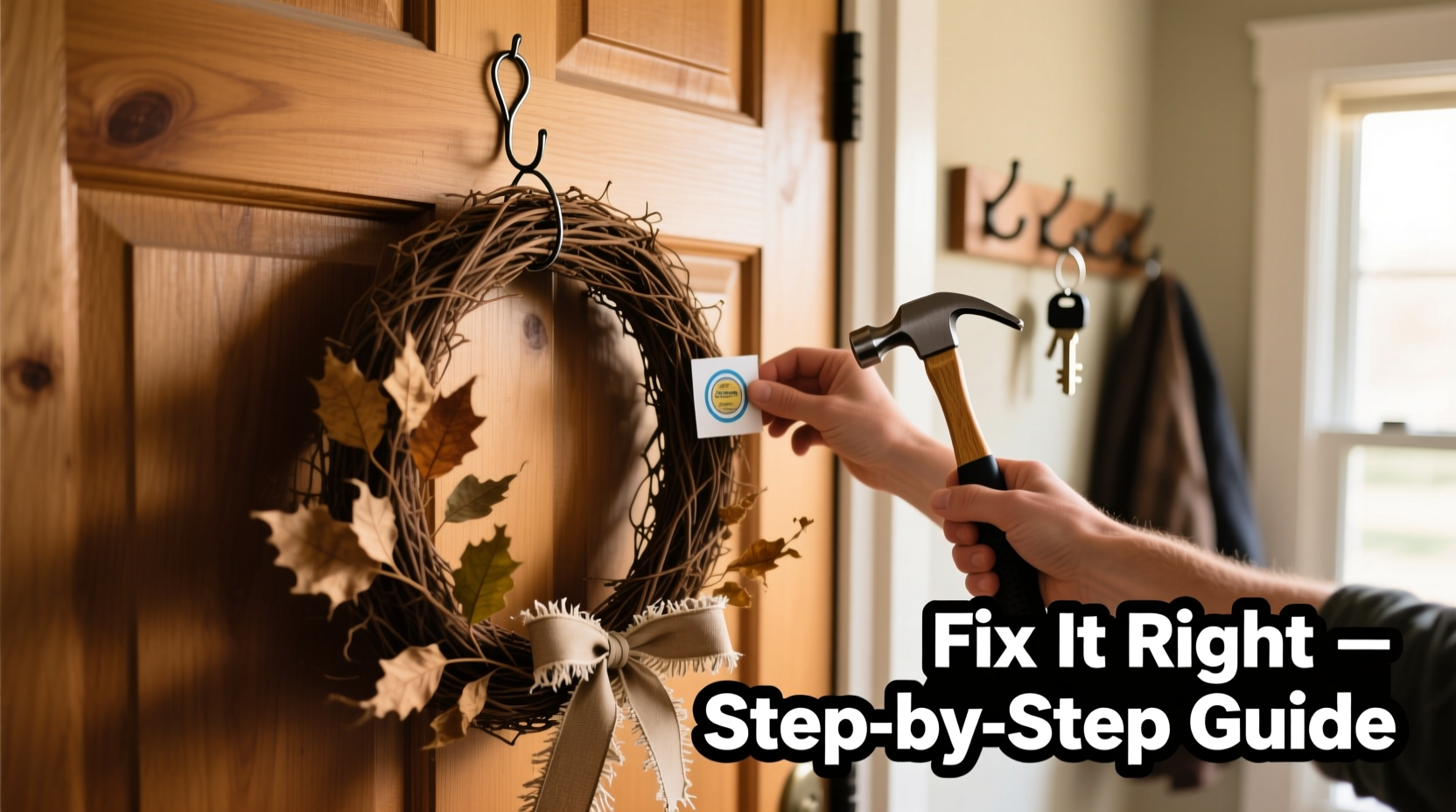
A wreath that slips or crashes down usually has one or more preventable causes. Identifying these root issues is the first step toward a long-term solution.
- Weak or incompatible hangers: Many people use standard over-the-door hooks designed for lightweight items like robes or towels. These often can't support even moderate wreath weight, especially when factoring in wind or moisture absorption.
- Improper placement: Hanging a wreath too high, too low, or off-center affects balance and increases stress on the attachment point.
- Door material and curvature: Steel, fiberglass, and wood doors have different surface textures and flex under pressure. Some modern doors have a pronounced curve, making flat contact difficult for traditional hooks.
- Weather conditions: Wind, rain, snow, and temperature fluctuations weaken adhesives, expand materials, and add weight through moisture retention in natural wreaths.
- Wreath weight and size: Oversized or densely packed wreaths create leverage that pulls downward or sideways, especially if the hanger isn’t rated for the load.
Choosing the Right Mounting Method by Door Type
Not all doors are created equal. A method that works perfectly on a solid wood front door may fail on a hollow steel unit. Matching your mounting technique to your door type prevents slippage and damage.
| Door Type | Best Mounting Methods | Avoid |
|---|---|---|
| Solid Wood | Screw-in wreath hangers, over-the-door hooks with rubber grips, adhesive hooks (medium strength) | Heavy suction cups, weak adhesives |
| Steel or Fiberglass | Over-the-door hooks with wide rubber padding, magnetic hangers (if metal), screw-mounted brackets | Standard suction cups, tape-based adhesives |
| Glass or French Doors | Suction cup hangers (high-grade), tension rods across the frame, external bracket systems | Adhesive hooks, drilling (unless tempered) |
| Hollow Core Interior Doors | Lightweight adhesive hooks, ribbon over the top of the door | Screws, heavy-duty hangers |
For most exterior doors, the safest bet is a combination of mechanical grip and non-damaging materials. Over-the-door hooks with padded arms distribute pressure evenly and reduce the risk of paint chipping or warping.
Step-by-Step Guide: How to Secure a Wreath Properly
Follow this detailed process to ensure your wreath stays securely mounted through changing weather and seasonal shifts.
- Weigh your wreath: Use a kitchen scale or luggage scale to determine exact weight. This informs your choice of hardware.
- Choose the right hanger: Match the hanger’s weight rating to your wreath. For example, a 5 lb wreath needs a hanger rated for at least 7–8 lbs.
- Clean the door surface: If using adhesive or suction mounts, wipe the area with rubbing alcohol to remove dust, grease, or wax buildup.
- Position the hanger: Center the hook over the middle third of the door. Avoid placing it too close to the edge or near moving parts like peepholes or handles.
- Install the hanger:
- For over-the-door hooks: Open the hook, slide it over the top of the door, and adjust so both arms rest flush against the door face.
- For adhesive hooks: Press firmly for 30 seconds and wait 12 hours before hanging the wreath.
- For screw-in hangers: Pre-drill a small pilot hole and drive the screw into the stile (side frame) of the door, not the panel.
- Attach the wreath: Use a sturdy ribbon, wire loop, or wreath hanger strap. Avoid thin twine or string that can stretch or snap.
- Test stability: Gently tug downward and sideways to simulate wind pressure. Adjust if movement exceeds half an inch.
- Inspect regularly: Check monthly for loosening, rust, or wear—especially after storms.
Expert Insight: What Professionals Do Differently
Interior stylists and seasonal decorators know that longevity comes from preparation, not just hardware. Their techniques prioritize both safety and visual appeal.
“Most wreath failures happen because people treat it as a one-minute task. Pros spend time assessing the door, climate, and wreath composition. That 10-minute investment saves weeks of frustration.” — Laura Bennett, Seasonal Stylist & Home Decor Consultant
Bennett emphasizes the importance of “load testing” during installation: “Hang the wreath, then walk away for five minutes. Come back and observe how it settles. Gravity reveals poor balance quickly.”
She also recommends using flexible attachment materials like braided nylon cord instead of rigid wire. “Wire doesn’t absorb shock—it transfers it directly to the mount. Cord stretches slightly, acting like a suspension system.”
Real Example: The Front Porch Fix
Sarah M., a homeowner in Portland, Oregon, struggled every winter with her large pine wreath tumbling down after rainstorms. Her fiberglass front door had a slight outward curve, and the standard plastic over-the-door hook would slip within days.
After consulting a local handyman, she switched to a heavy-duty over-the-door hanger with thick rubber-lined arms and a reinforced center bar. She also began using a waterproof wreath wrap to reduce moisture absorption. The new setup held firm through three consecutive rainy seasons—with no drooping, slipping, or paint damage.
The key change? Upgrading from a $3 drugstore hook to a $15 specialty hanger designed for outdoor use. “It felt excessive at first,” Sarah said, “but replacing fallen wreaths was costing me more in time and replacements.”
Dos and Don’ts of Wreath Hanging
To help you avoid common pitfalls, here’s a quick-reference guide summarizing best practices.
| Do | Don’t |
|---|---|
| Use rubber-padded hangers for smooth or painted doors | Use bare metal hooks that scratch surfaces |
| Check manufacturer weight limits before purchasing hardware | Assume all “heavy-duty” labels mean the same thing |
| Hang wreaths during dry, mild weather for better adhesive bonding | Install adhesive hooks in freezing or humid conditions |
| Rotate wreaths seasonally to reduce prolonged exposure | Leave artificial wreaths outdoors year-round in harsh climates |
| Use UV-resistant ribbons and coatings to prevent fading and brittleness | Use indoor-only materials on exterior doors |
FAQ: Common Questions About Wreath Security
Can I hang a wreath without drilling holes?
Yes—most wreaths can be secured without drilling. High-quality over-the-door hooks with rubber grips, magnetic hangers (on steel doors), and industrial-strength adhesive hooks (like Command™ Outdoor) are effective alternatives. Just ensure the product is rated for outdoor use and your wreath’s weight.
Why does my wreath lean to one side?
Uneven hanging is usually due to imbalance in the wreath itself or misaligned hardware. First, check if the wreath has heavier decorations on one side. Then, verify that the hanger sits level across the door. You can counterbalance by adding lightweight decorative elements to the lighter side or adjusting the hanging loop position.
How do I protect my door finish when hanging a wreath?
Always use mounts with protective padding—rubber, silicone, or felt-lined arms. Avoid metal-on-metal contact. If using adhesives, choose removable options designed for delicate surfaces. Remove mounts promptly after the season ends to prevent residue buildup or sun bleaching around the edges.
Final Checklist: Secure Your Wreath Like a Pro
Before you hang your next wreath, run through this final checklist to ensure lasting results:
- ✅ Measured the wreath weight accurately
- ✅ Selected a hanger rated for at least 25% more than the wreath’s weight
- ✅ Cleaned the door surface where hardware will attach
- ✅ Positioned the hanger in the center of the door, avoiding edges and hardware
- ✅ Used a durable, weather-resistant hanging strap or ribbon
- ✅ Tested stability with gentle tugs in multiple directions
- ✅ Scheduled a follow-up inspection within one week
Conclusion: Hang It Right and Enjoy the View
A falling wreath isn’t just inconvenient—it signals a mismatch between expectation and execution. With the right tools, techniques, and attention to detail, you can display your seasonal decor confidently, knowing it will stay secure through wind, rain, and daily door use. The secret isn’t magic; it’s method. From choosing padded hangers to understanding your door’s structure, every decision contributes to a stable, attractive result.




 浙公网安备
33010002000092号
浙公网安备
33010002000092号 浙B2-20120091-4
Comments
No comments yet. Why don't you start the discussion?