
Nestlé, the world’s largest food and beverage company, has built a global empire spanning over 190 countries with a portfolio of more than 2,000 brands. From bottled water and instant coffee to infant formula and chocolate, its products are household staples. Yet behind the polished branding lies decades of controversy, ethical breaches, and public backlash. Critics argue that Nestlé’s profit-driven model often comes at the expense of human rights, environmental sustainability, and consumer trust. This article examines the key reasons why Nestlé remains one of the most scrutinized corporations in modern history.
Water Exploitation and Privatization
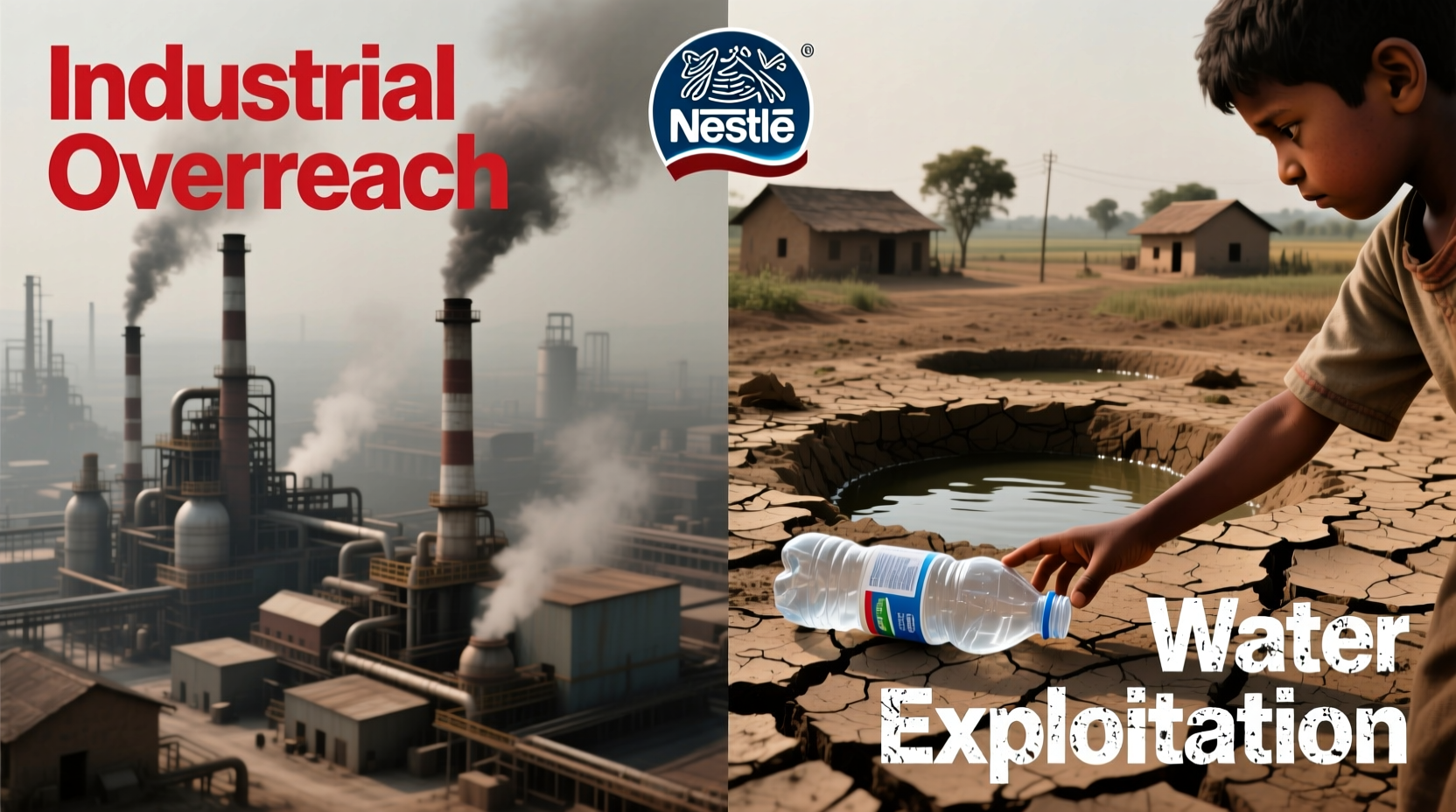
One of the most persistent criticisms of Nestlé centers on its aggressive extraction and commercialization of freshwater resources. The company bottles billions of liters annually under brands like Pure Life, Poland Spring, and Deer Park—often drawing from municipal supplies or natural aquifers during droughts.
In California, for example, Nestlé continued bottling water from the San Bernardino National Forest even as surrounding communities faced severe water shortages. Despite holding only a permit from the 19th century granting them access to \"non-commercial\" spring use, the company extracted millions of gallons per day, selling it back at a steep markup. Environmentalists and local residents condemned the practice as corporate profiteering from a public resource.
“We’re in a state of emergency, but Nestlé is still sucking water out of our mountains. That’s not business as usual—that’s theft.” — Tim De La O, activist with the San Bernardino Residents United Network
The issue isn’t isolated to the U.S. In Pakistan and India, Nestlé has been accused of depleting groundwater in rural areas, leaving farmers without irrigation and households without drinking water. These actions have sparked protests, legal battles, and growing calls for stricter regulation of private water extraction.
Infant Formula Marketing Scandal
Perhaps the darkest chapter in Nestlé’s history involves its marketing of infant formula in low-income countries during the 1970s. At the time, the company aggressively promoted powdered baby milk as a superior alternative to breastfeeding, targeting vulnerable populations through misleading advertising and incentivizing healthcare workers to recommend their products.
The consequences were devastating. In regions where clean water was scarce, parents diluted formula with contaminated water, leading to widespread malnutrition, diarrhea, and infant mortality. UNICEF estimated that thousands of babies died annually due to improper formula use linked directly to poor education and unsafe conditions.
The backlash culminated in a global boycott led by health advocates and NGOs, which lasted nearly a decade. Though Nestlé eventually adopted the World Health Organization’s International Code of Marketing Breast-Milk Substitutes, critics argue the company still skirts the rules today—especially in Africa and Southeast Asia, where aggressive sales tactics persist.
| Decade | Nestlé's Formula Strategy | Impact |
|---|---|---|
| 1970s | Free samples, nurse incentives, misleading ads | Increased infant mortality in developing nations |
| 1980s | Global boycott; revised policies under pressure | Formal commitment to WHO code (in writing) |
| 2000s–Present | Digital marketing, indirect promotions | Ongoing violations reported by IBFAN |
Child Labor and Cocoa Sourcing
Nestlé’s supply chain has repeatedly come under fire for links to child labor, particularly in West African cocoa farms. Countries like Côte d’Ivoire and Ghana produce over 60% of the world’s cocoa, much of it harvested by children working in hazardous conditions—some as young as seven.
An investigation by the U.S. Department of Labor found that Nestlé sourced cocoa from farms where children were exposed to dangerous tools, pesticides, and long hours—all hallmarks of forced labor. Despite being aware of these issues since at least 2001, progress toward eradication has been slow. A 2020 report revealed that nearly half of all Ivorian cocoa farms still employed child labor.
The company claims to be investing in monitoring systems and farmer training programs, but structural challenges remain. Poverty, lack of education, and weak enforcement make sustainable reform difficult. Meanwhile, Nestlé continues to profit from chocolate brands like KitKat and Aero without guaranteeing fully ethical sourcing.
Steps Toward Ethical Sourcing – A Timeline
- 2001: Major chocolate companies, including Nestlé, sign the Harkin-Engel Protocol to eliminate child labor “within four years.”
- 2010: Deadline extended indefinitely; minimal progress reported.
- 2019: Nestlé admits 100% traceability is not yet achieved despite promises.
- 2022: Lawsuit filed in the U.S. accuses Nestlé of aiding child slavery overseas (case dismissed on jurisdictional grounds).
- 2024: Nestlé reports 70% of cocoa volume now monitored for child labor risks.
Environmental Impact and Plastic Pollution
Nestlé ranks consistently among the top contributors to plastic pollution worldwide. As the largest bottled water producer globally, the company churns out approximately 4 million tons of plastic packaging each year. Much of this ends up in landfills, oceans, and informal waste streams—particularly in countries with limited recycling infrastructure.
Critics highlight the contradiction between Nestlé’s public sustainability pledges and its continued expansion of single-use plastic lines. While the company has committed to making 100% of its packaging recyclable or reusable by 2025, less than 15% was effectively recycled in 2023. Furthermore, Nestlé has lobbied against plastic bans and deposit-return schemes in several markets, undermining circular economy efforts.
Expert Insight on Corporate Accountability
“Nestlé exemplifies how multinational corporations can operate above national laws. Until there’s binding international regulation on supply chains and resource use, voluntary commitments mean little.” — Dr. Sarah Lamont, Environmental Policy Researcher, University of Geneva
The absence of enforceable global standards allows companies like Nestlé to shift operations to jurisdictions with weaker oversight. Whether it’s water extraction in drought-prone regions or sourcing from conflict zones, the pattern reflects a broader issue of accountability gaps in global capitalism.
Mini Case Study: The Michigan Water Grab
In Mecosta County, Michigan, Nestlé (now operating as BlueTriton Brands after divesting some U.S. assets) pumped nearly 260 million gallons of groundwater annually from the White Pine Springs facility. Local residents noticed declining well levels, drying wetlands, and damage to trout streams vital to the ecosystem.
Despite scientific studies confirming ecological harm, state regulators renewed Nestlé’s permit in 2020, citing economic benefits. Community activists formed “Clean Water Now” and launched a campaign to reclaim control over local water rights. Their efforts drew national attention and inspired similar movements across the Midwest.
This case underscores a recurring theme: when corporate interests clash with community needs, regulatory frameworks often favor profit over people.
Frequently Asked Questions
Is Nestlé banned in any country?
No, Nestlé is not officially banned in any country. However, its infant formula faced boycotts in multiple nations during the 1970s and 1980s due to unethical marketing. Some regions have restricted specific practices, such as water bottling in ecologically sensitive areas.
Does Nestlé own all bottled water brands?
No, but it owns many major ones, including Pure Life, Perrier, S.Pellegrino, and formerly Poland Spring and Deer Park (sold to One Rock Capital in 2021). It remains one of the largest players in the global bottled water industry.
Can consumers hold Nestlé accountable?
Yes. Consumer pressure has historically influenced corporate behavior. Boycotts, shareholder activism, and support for ethical alternatives can push companies toward reform. Choosing transparent, mission-driven brands also shifts market demand.
Action Checklist: What You Can Do
- Research brand ethics before purchasing food, drinks, or household items.
- Avoid single-use plastics, especially bottled water from large corporations.
- Support legislation that regulates water privatization and strengthens labor laws.
- Back NGOs monitoring corporate conduct (e.g., IBFAN, Greenpeace, Amnesty International).
- Advocate for transparency in supply chains through social media and community organizing.
Conclusion
Nestlé’s controversies are not isolated incidents—they reflect systemic issues embedded in industrial-scale resource extraction, global supply chains, and unchecked corporate power. From exploiting water sources to endangering infants with misleading marketing and relying on child labor, the company’s legacy is marred by ethical failures that continue to affect real lives.
While Nestlé has made public commitments to sustainability and reform, meaningful change requires more than PR campaigns. It demands regulatory enforcement, consumer vigilance, and a redefinition of what we accept from the corporations shaping our daily lives.




 浙公网安备
33010002000092号
浙公网安备
33010002000092号 浙B2-20120091-4
Comments
No comments yet. Why don't you start the discussion?