
Nitrogen is everywhere—floating in the air we breathe, embedded in the proteins we consume, and cycling through ecosystems that sustain life on Earth. Though invisible to the naked eye, this unassuming element plays a foundational role in biology, agriculture, and planetary health. Despite making up 78% of Earth’s atmosphere, atmospheric nitrogen (N₂) is largely inaccessible to most living organisms in its gaseous form. Yet, without its transformation into usable compounds, life as we know it would collapse. Understanding nitrogen’s role reveals not only its biochemical necessity but also the delicate balance required to maintain thriving ecosystems.
The Biological Role of Nitrogen in Living Organisms
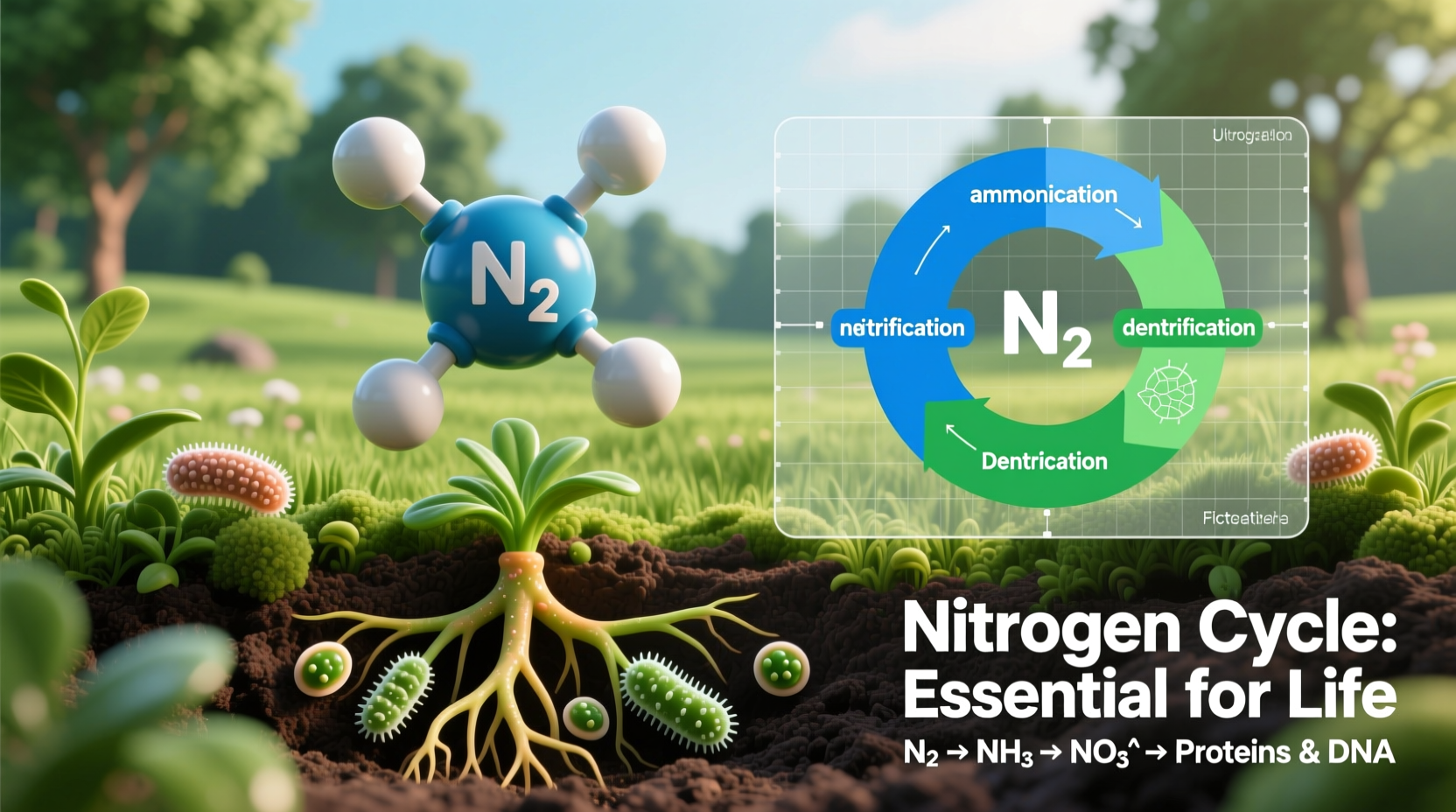
Nitrogen is a core component of amino acids, which are the building blocks of proteins. Proteins govern nearly every cellular function—from enzyme activity to tissue repair and immune response. Without sufficient nitrogen, cells cannot synthesize the proteins necessary for growth, reproduction, or maintenance. It is also a critical part of nucleic acids like DNA and RNA, which carry genetic information and enable heredity and protein synthesis.
Plants, animals, and microbes all depend on fixed nitrogen—nitrogen converted into ammonia, nitrates, or other bioavailable forms. Plants absorb these compounds from the soil through their roots, then incorporate them into plant tissues. Herbivores obtain nitrogen by consuming plants, while carnivores acquire it by eating other animals. This transfer of nitrogen through food chains underscores its irreplaceable role in sustaining life across trophic levels.
The Nitrogen Cycle: Nature’s Recycling System
The nitrogen cycle is a complex, self-regulating process that converts nitrogen between various chemical forms, allowing it to be reused throughout ecosystems. This cycle consists of five key stages:
- Nitrogen Fixation: Certain bacteria (e.g., Rhizobium in root nodules of legumes) convert atmospheric nitrogen (N₂) into ammonia (NH₃), making it available to plants.
- Nitrification: Soil bacteria like Nitrosomonas and Nitrobacter oxidize ammonia into nitrites (NO₂⁻) and then nitrates (NO₃⁻), which plants can readily absorb.
- Assimilation: Plants take up nitrates and ammonium from the soil and integrate them into organic molecules like proteins and nucleic acids.
- Ammonification: When organisms die, decomposers break down nitrogen-containing compounds into ammonia, returning it to the soil.
- Denitrification: Anaerobic bacteria convert nitrates back into nitrogen gas, releasing it into the atmosphere and completing the cycle.
This continuous recycling ensures that nitrogen remains available despite its inert atmospheric state. Disruptions to any stage—such as overuse of synthetic fertilizers or loss of microbial diversity—can impair ecosystem resilience.
Agricultural Dependence on Nitrogen
Modern agriculture relies heavily on nitrogen to boost crop yields. The Haber-Bosch process, developed in the early 20th century, revolutionized food production by enabling the industrial synthesis of ammonia from atmospheric nitrogen and hydrogen. Today, synthetic nitrogen fertilizers support nearly half of global food production.
However, excessive fertilizer use has led to environmental consequences, including water pollution from nitrate runoff, soil acidification, and increased greenhouse gas emissions (notably nitrous oxide, a potent contributor to climate change). Sustainable practices such as crop rotation with legumes, precision farming, and integrated nutrient management aim to optimize nitrogen use while minimizing ecological harm.
| Practice | Benefit | Risk if Mismanaged |
|---|---|---|
| Legume Crop Rotation | Naturally enriches soil with nitrogen | Limited yield per season |
| Synthetic Fertilizers | Boosts short-term productivity | Water contamination, soil degradation |
| Composting Organic Matter | Slow-release nitrogen, improves soil structure | Requires time and space |
| Precision Agriculture | Reduces waste via targeted application | High initial cost |
Mini Case Study: The Green Revolution in India
In the 1960s, India faced widespread food shortages. The introduction of high-yielding wheat and rice varieties, combined with expanded use of nitrogen fertilizers, dramatically increased grain production. Yields tripled in some regions within a decade, averting famine and transforming India into a food-secure nation. However, decades of intensive nitrogen use have since led to declining soil fertility, groundwater contamination, and rising input costs for farmers. Today, Indian agricultural scientists promote balanced fertilization and agroecological methods to sustain long-term productivity without compromising environmental health.
Expert Insight on Nitrogen Management
“Nitrogen is both a cornerstone of life and a potential agent of imbalance. Our challenge is not to eliminate its use, but to align it with ecological rhythms.” — Dr. Rajiv Singh, Environmental Biogeochemist, International Institute for Sustainable Agriculture
“The next frontier in farming isn’t more nitrogen—it’s smarter nitrogen.” — Prof. Elena Torres, Agroecology Research Lead, University of Copenhagen
Common Misconceptions About Atmospheric Nitrogen
One common misunderstanding is that because nitrogen makes up most of the air, it is readily available to all organisms. In reality, the triple bond in N₂ molecules is extremely stable, requiring significant energy to break. Only specialized bacteria and industrial processes can “fix” nitrogen into biologically useful forms. Humans and animals must obtain nitrogen indirectly—through the food they eat—rather than from breathing air.
Another misconception is that more nitrogen always means better plant growth. While nitrogen deficiency stunts development, excess nitrogen can lead to weak stems, delayed flowering, and heightened susceptibility to pests. It can also leach into waterways, fueling algal blooms that deplete oxygen and create dead zones in aquatic systems.
Step-by-Step Guide to Supporting Healthy Nitrogen Cycles at Home
Even individuals can contribute to responsible nitrogen stewardship. Here’s how:
- Compost kitchen and yard waste: Returns organic nitrogen to the soil naturally.
- Plant nitrogen-fixing species: Grow clover, beans, peas, or alfalfa in gardens to enrich soil.
- Use slow-release organic fertilizers: Opt for composted manure or bone meal instead of quick-release synthetics.
- Avoid over-fertilizing lawns: Follow recommended application rates to prevent runoff.
- Support regenerative agriculture: Choose food from farms that prioritize soil health and biodiversity.
Frequently Asked Questions
Can humans survive without nitrogen?
No. Humans require nitrogen to build proteins and nucleic acids. While we cannot use atmospheric nitrogen directly, we depend on the nitrogen cycle to deliver it through our food—especially from plant and animal sources rich in protein.
Why can’t plants use nitrogen gas from the air?
Plants lack the enzymes needed to break the strong triple bond in N₂ molecules. They rely on nitrogen-fixing bacteria in the soil or symbiotic relationships (like those in legume root nodules) to convert atmospheric nitrogen into usable forms such as ammonium or nitrate.
Is nitrogen pollution a serious issue?
Yes. Excess nitrogen from agricultural runoff, sewage, and combustion contributes to eutrophication in lakes and oceans, biodiversity loss, air pollution, and climate change. Managing nitrogen more efficiently is critical for environmental sustainability.
Tips for Sustainable Nitrogen Use
Conclusion: Embracing Nitrogen Responsibility
Nitrogen is not just an element—it is a lifeline woven into the fabric of existence. From the DNA in our cells to the crops that feed billions, its presence is non-negotiable. But with great utility comes great responsibility. As human activity continues to alter natural nitrogen cycles, the need for mindful stewardship grows ever more urgent. By understanding nitrogen’s role and adopting sustainable practices—whether in farming, gardening, or consumption—we honor the delicate balance that sustains life on Earth. The future of food security, ecosystem health, and planetary stability depends not on eliminating nitrogen use, but on using it wisely.




 浙公网安备
33010002000092号
浙公网安备
33010002000092号 浙B2-20120091-4
Comments
No comments yet. Why don't you start the discussion?