
One Piece, created by Eiichiro Oda, has been serialized since 1997 and spans over 1000 chapters in manga form, with more than 1000 anime episodes to date. Its length often raises a question: why is One Piece so long? Unlike most shonen series that conclude within a decade, One Piece continues to expand—introducing new islands, characters, powers, and political factions with no immediate end in sight. The answer lies not in filler or poor editing but in a deliberate, layered approach to storytelling, worldbuilding, and emotional pacing that distinguishes it from other long-running series.
The longevity of One Piece isn’t accidental. It’s a product of meticulous planning, deep thematic exploration, and a unique narrative rhythm that prioritizes character growth and world immersion over rapid plot resolution. While some viewers find its pacing slow, others praise its ability to make every arc feel consequential. This article examines the structural choices behind One Piece’s extended timeline, how its pacing serves its themes, and why such an expansive format has become central to its identity.
The Grand Narrative Design: A Journey Over a Destination
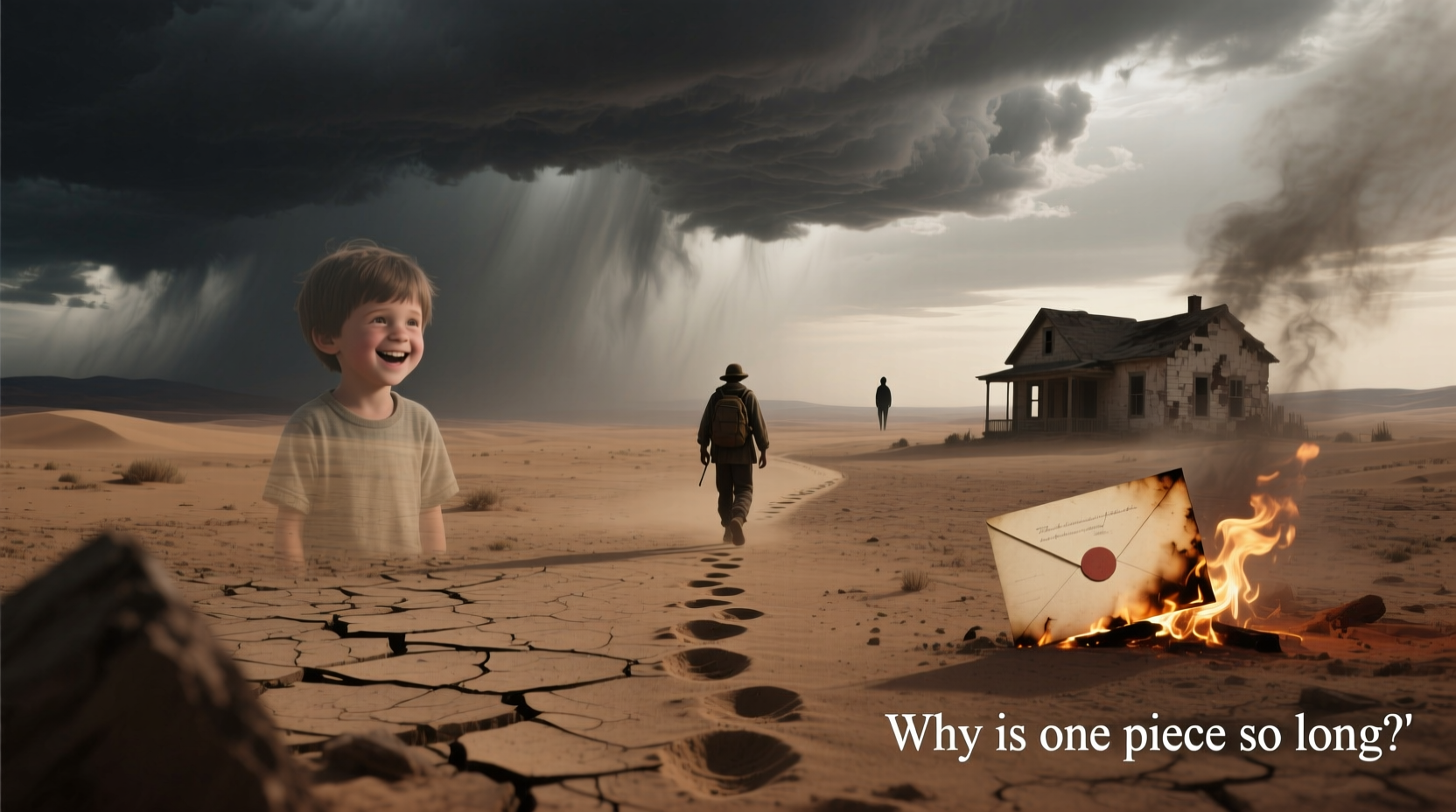
At its core, One Piece is built on the concept of a journey—not just physical, but emotional and ideological. The Straw Hat Pirates sail across the vast world of the Grand Line in search of the legendary treasure “One Piece,” but the treasure itself is less important than what they discover along the way. Each island becomes a self-contained story, introducing societal issues, personal tragedies, and moral dilemmas that challenge both the crew and the reader.
This episodic yet cumulative structure allows for gradual world expansion. Unlike tightly plotted stories that resolve arcs quickly, One Piece uses each location as a canvas to explore broader themes: freedom, justice, oppression, legacy, and the cost of ambition. For example, Enies Lobby wasn’t merely about rescuing a crewmate—it was a statement against authoritarian rule and judicial corruption. Similarly, Dressrosa exposed the dark underbelly of slavery masked as entertainment, while Wano explored cultural isolation and revolutionary resistance.
Eiichiro Oda has stated in interviews that he envisioned the entire story from the beginning, including its ending. However, the path to that conclusion is intentionally winding. As he explained in a 2019 Shonen Jump interview:
“We don’t travel to enjoy the destination. We travel because the journey changes us. That’s what I want for Luffy and his crew.” — Eiichiro Oda
This philosophy underpins the series’ pacing. Every battle, conversation, and flashback contributes to the transformation of the characters. Skipping ahead would rob the audience of the emotional weight that makes the climax meaningful.
Pacing as a Tool for Emotional Investment
One Piece’s pacing often draws criticism for being “slow” compared to faster-paced shonen like *My Hero Academia* or *Demon Slayer*. However, this perceived slowness is a feature, not a bug. The series dedicates significant time to character backstories, interpersonal dynamics, and thematic development—elements that foster deep audience attachment.
Consider the two-year time skip after the Marineford War. Rather than rushing into revenge or escalation, Oda paused the main plot to allow each Straw Hat member to train, reflect, and grow individually. This break wasn’t filler; it was essential for showing how trauma reshapes people. When the crew reunites at Sabaody Archipelago, their reunion carries emotional gravity because readers have witnessed their struggles.
Likewise, the introduction of new crew members is never rushed. Each joins only after a multi-chapter arc that establishes their past, motivations, and compatibility with the crew. Brook’s recruitment, for instance, spans several chapters focused on grief, memory, and the meaning of companionship. These moments could be condensed, but doing so would dilute their impact.
Worldbuilding Through Layered Storytelling
One Piece’s world is one of the most intricate in manga history. From the World Government and the Marines to the Yonko, Warlords, and Revolutionaries, the power structure is dense and politically nuanced. This complexity doesn’t emerge all at once—it unfolds gradually, mirroring how real-world geopolitics are understood over time.
Oda uses a technique known as “information layering”: revealing key world details in fragments across multiple arcs. For example, the true nature of the Void Century isn’t explained outright. Instead, clues appear in Alabasta, Skypeia, Fish-Man Island, and Wano, encouraging fans to theorize and engage deeply with the lore. This method keeps readers invested across years, turning passive viewing into active interpretation.
The map itself reflects this design. The Grand Line is divided into two halves—the Paradise and the New World—each requiring different strategies, alliances, and levels of strength. Crossing the Red Line or navigating through Calm Belts isn’t just logistical; it symbolizes progression in understanding the world’s rules and hidden truths.
This layered approach demands time. You can’t introduce a global conspiracy, ancient weapons, celestial dragons, and a forgotten history in 50 chapters without sacrificing coherence. One Piece’s length allows these elements to breathe, interact, and evolve organically.
Comparison of Major Arcs and Their Narrative Functions
| Arc | Chapters | Primary Function | Thematic Focus |
|---|---|---|---|
| East Blue Saga | 1–60 | Crew formation & foundational ideals | Freedom vs. tyranny |
| Alabasta | 100–199 | Introduction of global politics | Revolution & misinformation |
| Enies Lobby | 322–380 | Defiance of systemic injustice | Law vs. morality |
| Marineford | 549–597 | Cost of war & legacy | Grief & brotherhood |
| Wano Country | 908–1057 | Convergence of major forces | Cultural identity & revolution |
As the table shows, later arcs are longer not because of padding, but because they integrate more characters, factions, and narrative threads. Wano, for example, required setup from multiple previous arcs—Luffy’s training, Law’s alliance, Kaido’s introduction, and the Revolutionary Army’s movements—all converging in a single conflict.
The Role of Filler and Anime Expansion
It’s important to distinguish between the manga’s intentional length and the anime’s additional content. The anime adaptation includes filler arcs—episodes not based on Oda’s original work—that extend the runtime significantly. While some fillers, like the Foxy Pirate Circus or Bounties, are lighthearted diversions, others, such as the Amazon Lily and Impel Down arcs, were later canonized or adapted into the manga.
However, even the anime’s filler serves a purpose: maintaining production momentum during manga breaks and giving voice actors, composers, and animators room to deepen character expressions. The soundtrack, for instance, evolves with the journey—upbeat in early arcs, somber after losses, and triumphant during breakthroughs. These auditory cues enhance emotional pacing, making the long runtime feel immersive rather than tedious.
Still, critics argue that filler can disrupt narrative flow. To manage this, fans often follow “watch order” guides that skip non-canon episodes. Yet, for casual viewers, the consistent weekly schedule provides continuity and community engagement, turning One Piece into a shared cultural experience rather than just a story.
Mini Case Study: The Impact of the Time Skip
After the devastating Marineford War, where Ace dies and the Straw Hats are scattered, the manga pauses for a two-year time skip. This decision stunned fans expecting immediate retaliation. Instead, Oda shifted focus to individual growth.
Zoro trains under Dracule Mihawk, Sanji studies under Zeff’s rival, Nami perfects her weather-based navigation, and Luffy hones advanced Haki under Silvers Rayleigh. These developments aren’t shown in real-time but summarized through dialogue and brief flashbacks upon reunion.
Initially, many fans felt this was a missed opportunity for action. But in hindsight, the time skip allowed the crew to return stronger not just physically, but mentally. Their reunion scene—where they recognize each other instantly despite changed appearances—is one of the most celebrated moments in the series. The delay made their bond more palpable.
This case illustrates how One Piece uses pacing to prioritize emotional truth over narrative efficiency. The story isn’t about winning battles quickly; it’s about becoming worthy of them.
Structural Checklist: What Makes One Piece’s Length Work
Not every long series sustains quality over time. One Piece succeeds because of specific structural choices. Here’s what creators and fans can learn:
- Clear End Goal: The treasure “One Piece” and the title of Pirate King provide a north star for the journey.
- Character-Centric Progression: Power-ups are tied to personal growth, not just combat.
- Thematic Consistency: Every arc explores freedom, justice, or belonging in new contexts.
- Gradual Escalation: Threats grow from local villains to world-ending forces.
- Foreshadowing Integration: Early jokes or side characters (e.g., Shanks, Vegapunk) gain significance later.
- Emotional Payoff Timing: Long-set-up moments (e.g., Luffy meeting Ace’s mother) land with greater impact.
FAQ: Common Questions About One Piece’s Length
Is One Piece unnecessarily long?
No. While the anime includes filler, the manga’s length is intentional. Each arc develops characters, themes, and world lore critical to the final saga. Shortening it would sacrifice depth and emotional resonance.
Will One Piece ever end?
Yes. Eiichiro Oda has confirmed the story is entering its final saga. He estimated in 2023 that the manga has about five more years left. The current “Final Sea” arc is bringing together all major players for the ultimate confrontation.
Can I skip parts of One Piece without losing context?
It’s possible to skip anime filler, but reading the manga from start to finish is recommended. Even minor arcs introduce abilities, relationships, or lore that resurface later. For example, Jinbe’s introduction in the Sun Pirates arc becomes vital in Wano.
Conclusion: Embracing the Journey
One Piece is long because it values transformation over speed. Its pacing allows readers to grow alongside the characters, to mourn their losses, celebrate their victories, and understand the world they inhabit. In an era of bingeable content and instant gratification, One Piece stands as a testament to slow storytelling—where patience is rewarded with unparalleled depth.
The series doesn’t rush because life doesn’t rush. Friendships take time to build. Ideals require testing. Freedom must be fought for, not granted. By stretching its narrative across decades, One Piece mirrors the very journey it portrays: unpredictable, challenging, and ultimately unforgettable.




 浙公网安备
33010002000092号
浙公网安备
33010002000092号 浙B2-20120091-4
Comments
No comments yet. Why don't you start the discussion?