
In online fan communities, \"proshipping\" — the act of actively promoting or advocating for a romantic relationship between two real-life individuals, often celebrities — has become increasingly common. While some view it as harmless enthusiasm, others argue that it crosses ethical boundaries and can lead to serious consequences. This article examines why proshipping is problematic, exploring its social, psychological, and moral dimensions in depth.
Understanding Proshipping: More Than Just Fan Fiction
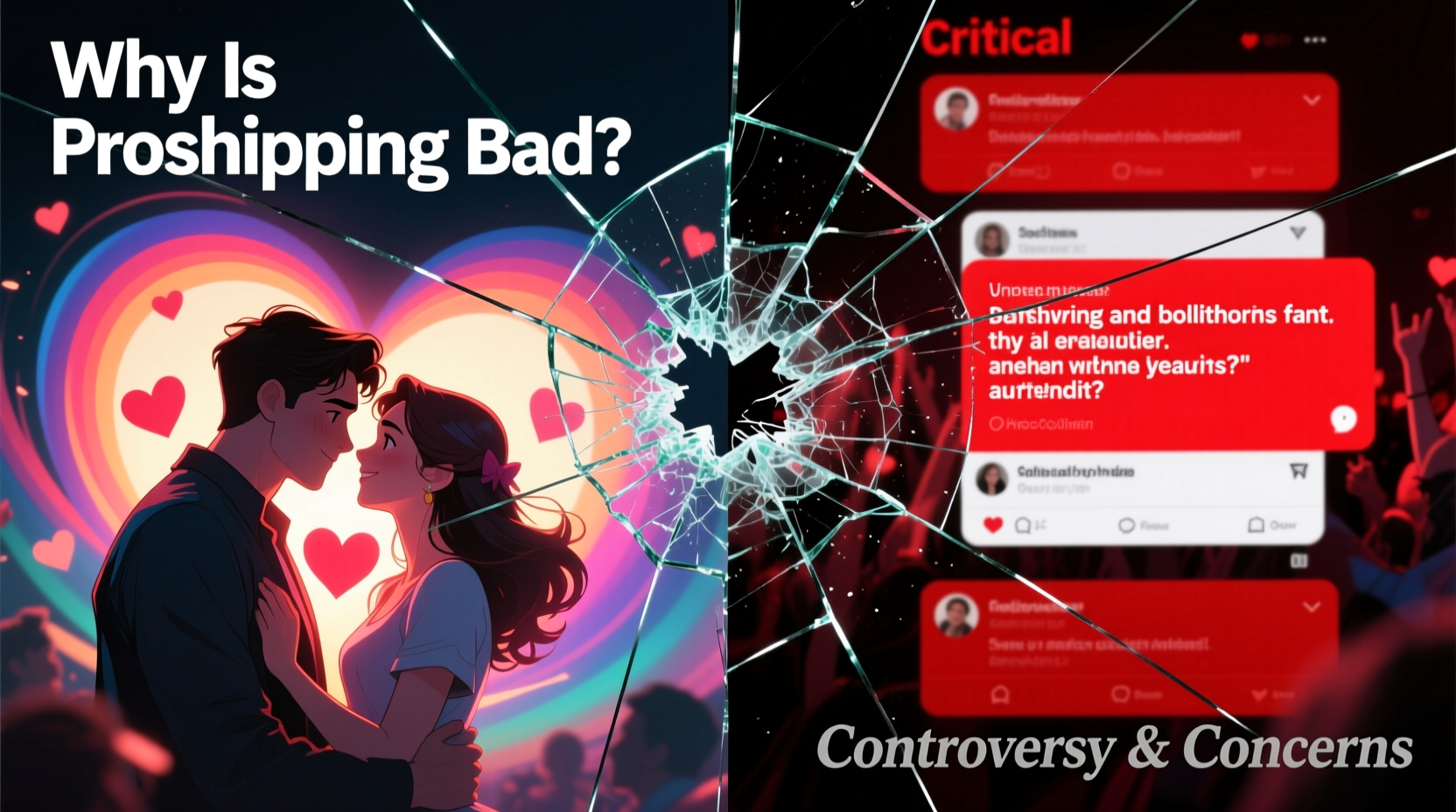
Proshipping differs from general shipping (short for “relationshipping”) in intent and action. While fans may privately imagine fictional pairings, proshipping involves public advocacy — posting content, creating hashtags, pressuring public figures, or even harassing those who don’t support the pairing. It frequently targets celebrities, co-stars, musicians, or influencers who interact professionally, turning their friendship or working relationship into a narrative of romance.
This behavior often emerges in fandoms where emotional investment runs high. Fans seek connection, belonging, and narrative fulfillment through their idols. However, when this desire morphs into pushing real people into imagined relationships, it shifts from admiration to intrusion.
Ethical Concerns: The Boundary Between Fantasy and Reality
The core issue with proshipping lies in consent. Real people are not characters in a story; they have autonomy, privacy, and personal boundaries. Promoting a romantic narrative about someone without their input treats them as public property rather than individuals with rights.
When fans campaign for a couple that doesn’t exist — using slogans like “They’re soulmates!” or “Just get together already!” — they disregard the complexity of human relationships. They ignore the possibility that these individuals may be in other relationships, identify differently, or simply value their professional dynamic without romantic interest.
“Fandom should celebrate artistry, not manufacture intimacy. When we ship real people, we erase their agency.” — Dr. Lena Patel, Cultural Psychologist and Media Ethics Researcher
Moreover, proshipping often relies on selective interpretation of behavior — a shared laugh, a backstage glance, or a friendly social media comment — taken out of context to fit a desired narrative. This cherry-picking distorts reality and fosters misinformation.
Psychological Impact on Celebrities and Fans
The effects of proshipping extend beyond ethics into mental health. Public figures subjected to intense shipping campaigns report anxiety, discomfort, and pressure to perform certain personas. Some feel compelled to address the rumors publicly, which only fuels more attention. Others retreat from social media entirely.
In extreme cases, proshipping leads to doxxing, harassment, or threats toward individuals who date outside the “approved” pairing. These behaviors create a toxic environment where personal life becomes a battleground for fan entitlement.
Fans themselves are not immune to negative outcomes. Deep immersion in proshipping narratives can blur the line between fiction and reality, leading to obsessive thinking patterns. Some develop parasocial relationships — one-sided emotional bonds with celebrities — which can impair real-world social functioning when left unchecked.
Real Example: The Case of Two Co-Stars in a Popular Series
A well-documented case involved two actors starring in a hit fantasy series. Their on-screen chemistry sparked widespread fan speculation. What began as lighthearted discussion evolved into coordinated social media campaigns demanding they date. Fans created fake interviews, edited intimate-looking photos, and flooded their comments with messages like “We know you’re together.”
One actor later revealed in an interview that the experience was “exhausting and invasive,” noting that they had to limit interactions off-set to avoid giving fuel to rumors. The other reported receiving hate after announcing a real relationship with someone outside the fandom’s approval. The situation escalated to the point where both requested fans respect their privacy.
This example illustrates how proshipping, even when initiated playfully, can spiral into emotional harm for everyone involved.
Do’s and Don’ts of Healthy Fandom Engagement
| Do | Don't |
|---|---|
| Celebrate performances and creative work | Assume real-life romantic feelings based on acting |
| Respect public figures' stated boundaries | Harass or guilt-trip individuals over relationship choices |
| Create original fan art or stories clearly labeled as fiction | Pose fictional content as evidence of real relationships |
| Support mental health awareness in fandom spaces | Mock or shame others for not supporting a ship |
| Engage in respectful discussions with fellow fans | Organize mass tagging or trending campaigns targeting real people |
How to Recognize Harmful Proshipping Behavior
Not all fan affection turns toxic, but certain red flags indicate when proshipping has gone too far. Use this checklist to assess whether your engagement — or that of your community — crosses ethical lines:
- Are fans treating real interactions as “proof” of romance?
- Is there pressure on individuals to confirm or deny a relationship?
- Are dissenting voices silenced or attacked within the community?
- Has private information been shared to support a ship?
- Are jokes or memes making light of stalking or obsession?
- Do fans express anger when one party enters a real relationship?
If multiple items apply, the environment may be fostering unhealthy dynamics. Awareness is the first step toward change.
Building Healthier Fandom Cultures
Positive fandoms thrive on creativity, mutual respect, and shared appreciation. To move away from harmful proshipping, communities can adopt healthier practices:
- Focus on Art, Not Personal Lives: Redirect energy toward discussing performances, music, writing, or design instead of speculating about relationships.
- Label Fiction Clearly: If creating fan content involving real people, always mark it as imaginative or alternate universe (AU) to prevent misunderstanding.
- Enforce Community Guidelines: Moderators should remove posts that harass, misrepresent, or violate privacy.
- Promote Media Literacy: Educate members about cognitive biases like confirmation bias and the spotlight effect, which distort perception of celebrity behavior.
- Amplify Voices Calling for Respect: Support public figures who speak about boundaries and mental health.
FAQ: Common Questions About Proshipping
Isn’t proshipping just playful fun? Why take it so seriously?
While some see it as innocent enthusiasm, repeated exposure to non-consensual romantic narratives can make public figures feel objectified or unsafe. Intent doesn’t negate impact. What starts as “fun” can normalize invasive behavior and desensitize fans to privacy violations.
Can proshipping ever be harmless?
In rare cases, if both parties openly engage and enjoy the attention (and clearly separate fiction from reality), light-hearted shipping may exist without harm. However, this is the exception, not the rule. Most proshipping occurs without consent and escalates quickly.
What if the celebrities seem close? Doesn’t that justify speculation?
Professional closeness, friendship, or platonic affection does not imply romance. Assuming otherwise reinforces narrow views of human connection. People can share deep bonds without being romantically involved — and that should be respected.
Conclusion: Respecting Reality in the Age of Digital Fandom
Proshipping may stem from love and excitement, but it often leads to unintended harm. By romanticizing relationships between real people without their consent, fans risk eroding trust, damaging mental health, and perpetuating toxic norms in online spaces. The line between admiration and invasion is thinner than many realize.
True support means respecting autonomy, celebrating talent, and allowing public figures to live their lives free from manufactured drama. As digital communities evolve, so must our standards for ethical engagement. Let fandom be a force for positivity, creativity, and mutual respect — not pressure, projection, or possession.




 浙公网安备
33010002000092号
浙公网安备
33010002000092号 浙B2-20120091-4
Comments
No comments yet. Why don't you start the discussion?