
Rubbing your eyes might feel instinctive—especially when they're tired, itchy, or dry—but this seemingly harmless habit can lead to serious consequences. While a gentle touch may offer momentary relief, habitual or forceful rubbing introduces bacteria, damages delicate tissues, and in some cases, accelerates vision problems. Understanding the risks behind this common behavior empowers you to make better choices for long-term eye health.
The Anatomy of the Eye: Why It’s So Vulnerable
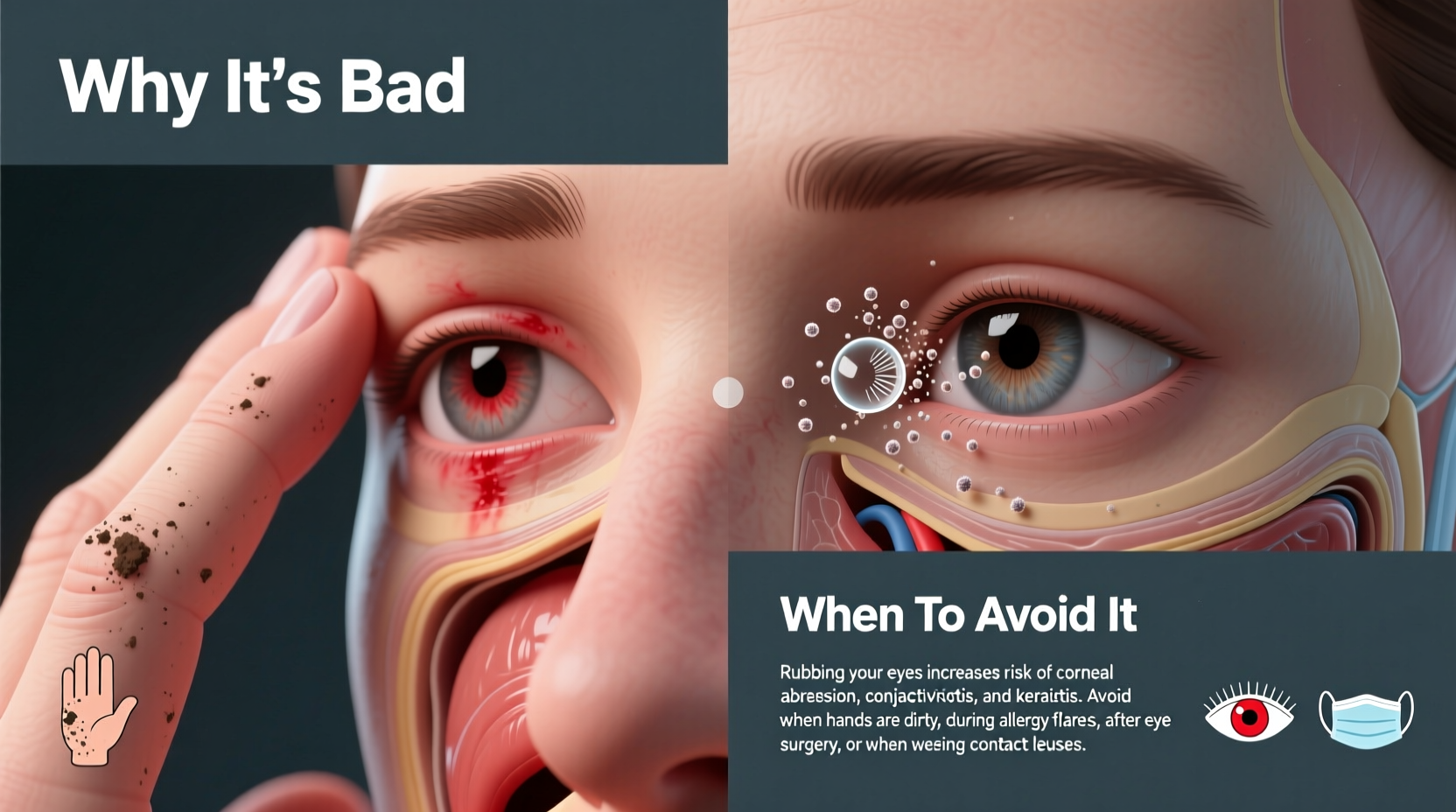
The human eye is an intricate organ composed of thin, sensitive layers protected by the cornea, conjunctiva, and eyelids. The surface of the eye, particularly the cornea, lacks protective skin layers like those on the rest of the body. This makes it highly susceptible to injury, infection, and deformation from pressure. Additionally, the ocular surface is constantly exposed to environmental irritants, allergens, and microbes, increasing vulnerability when touched with unwashed hands.
Beneath the surface, structures like the optic nerve and retina are essential for vision. Increased intraocular pressure—even temporarily from pressing on the eyeball—can affect fluid dynamics within the eye, potentially harming individuals with pre-existing conditions such as glaucoma.
Common Risks of Rubbing Your Eyes
While occasional, light contact may not cause harm, repeated or aggressive eye rubbing poses several medical risks:
- Corneal abrasions: Scratching the cornea with fingernails or even fingertips can lead to pain, light sensitivity, and increased infection risk.
- Keratoconus progression: In people predisposed to this condition—where the cornea thins and bulges into a cone shape—rubbing can accelerate deterioration and may eventually require surgery.
- Introduction of bacteria: Hands carry pathogens like staphylococcus and streptococcus, which can cause conjunctivitis (pink eye) or more severe infections.
- Broken blood vessels: Forceful rubbing can rupture tiny capillaries on the sclera, leading to red, bloodshot eyes (subconjunctival hemorrhage).
- Worsening of existing conditions: For those with dry eye syndrome, allergies, or blepharitis, rubbing increases inflammation and disrupts the tear film.
- Increased intraocular pressure: Pressure applied externally can momentarily spike pressure inside the eye, which is dangerous for glaucoma patients.
“Chronic eye rubbing is one of the most underrecognized threats to corneal integrity. In my practice, I’ve seen otherwise healthy patients develop significant vision changes due to this habit.” — Dr. Alan Pierce, Ophthalmologist and Corneal Specialist
When You Should Absolutely Avoid Rubbing Your Eyes
Certain situations dramatically increase the danger of eye rubbing. Awareness of these triggers helps prevent irreversible damage:
- After eye surgery: Whether LASIK, cataract removal, or corneal transplant, surgical sites remain fragile for weeks. Even mild pressure can dislodge healing tissue or induce complications.
- During active infections: Rubbing spreads viral or bacterial conjunctivitis and delays recovery. It also increases the chance of transferring the infection to the other eye or to others.
- If diagnosed with keratoconus: Patients are often advised never to rub their eyes again. Mechanical stress weakens the already compromised cornea.
- When wearing contact lenses: Rubbing can displace lenses, scratch the cornea, or trap debris between the lens and eye.
- Following exposure to chemicals or foreign objects: Instead of rubbing, flush the eye with saline or water and seek immediate care.
Safe Alternatives to Relieve Eye Discomfort
Instead of reaching for your eyes, consider safer methods to address irritation:
| Eye Issue | Safe Relief Method | Avoid |
|---|---|---|
| Allergies | Cold compress, antihistamine eye drops | Rubbing, using expired drops |
| Dryness | Artificial tears, humidifier use | Extended screen time without breaks |
| Fatigue | 20-20-20 rule (every 20 mins, look 20 feet away for 20 sec) | Forced focus, rubbing |
| Itchiness | Prescription anti-inflammatory drops (if chronic) | Nail scratching, sharing towels |
Mini Case Study: From Habit to Diagnosis
Lena, a 28-year-old graphic designer, had been rubbing her eyes daily for over a decade due to seasonal allergies and extended screen exposure. She dismissed frequent redness and blurred vision as normal fatigue. After experiencing sudden distortion in her central vision, she visited an ophthalmologist and was diagnosed with early-stage keratoconus. Her doctor linked the progression directly to chronic eye rubbing. Lena was fitted with specialty contact lenses and enrolled in a behavioral modification program to stop the habit. Within six months, her symptoms stabilized, underscoring how timely intervention can alter outcomes.
Step-by-Step Guide to Breaking the Eye-Rubbing Habit
Changing a reflexive behavior takes awareness and strategy. Follow this plan to reduce and eliminate eye rubbing:
- Identify triggers: Track when and why you rub your eyes—fatigue, allergies, stress—and log patterns for a week.
- Replace the action: Keep chilled gel eye masks or clean cotton pads nearby to press gently over closed eyelids instead.
- Improve environment: Use air purifiers to reduce allergens, adjust screen brightness, and maintain proper hydration.
- Set reminders: Place sticky notes on your monitor or phone alerts saying “Hands off eyes” during high-risk times.
- Consult a specialist: If itching or dryness persists, see an optometrist or allergist for targeted treatment rather than self-managing with rubbing.
FAQ
Can rubbing your eyes cause permanent vision loss?
Yes, in rare but serious cases—particularly among individuals with keratoconus or those who rub aggressively after trauma or surgery—corneal scarring or structural weakening can lead to permanent vision impairment. Early detection and stopping the behavior are critical.
Is it ever safe to rub your eyes?
Very light touching with clean hands, such as wiping a tear, is generally low risk. However, deliberate or forceful rubbing should always be avoided. There is no medical benefit to rubbing; safer alternatives exist for every symptom.
What should I do if I accidentally rub my eye after surgery?
Contact your surgeon immediately. Even if there’s no pain or visible change, mechanical pressure can compromise healing. Most post-op protocols include strict no-rub policies for at least four weeks.
Conclusion: Protecting Your Vision Starts With Small Changes
Your eyes are irreplaceable, and their health depends on daily habits you may not even notice. Rubbing them offers fleeting comfort at the cost of real risks—from infections to progressive vision disorders. By understanding the dangers and adopting safer practices, you preserve clarity and comfort far into the future. Start today by replacing the urge to rub with smarter solutions. Your eyes will thank you.




 浙公网安备
33010002000092号
浙公网安备
33010002000092号 浙B2-20120091-4
Comments
No comments yet. Why don't you start the discussion?