
Saffron has long held a reputation as the world’s most expensive spice by weight—often priced higher than gold on a per-ounce basis. While common seasonings like cumin, paprika, or turmeric can be bought in bulk for just a few dollars, even a small gram of saffron may cost several euros. This dramatic price gap raises a natural question: what makes saffron so costly? The answer lies not in marketing or scarcity alone, but in a complex interplay of botany, labor, geography, and quality control that sets saffron apart from every other culinary spice.
Understanding the true cost of saffron requires peeling back layers of tradition, agriculture, and economics. From the delicate crocus flower it comes from to the meticulous hand-harvesting process, each stage contributes to its premium value. For home cooks, chefs, and wellness enthusiasts alike, knowing why saffron commands such a high price helps justify its use and encourages more mindful purchasing decisions.
The Botanical Rarity of the Saffron Crocus
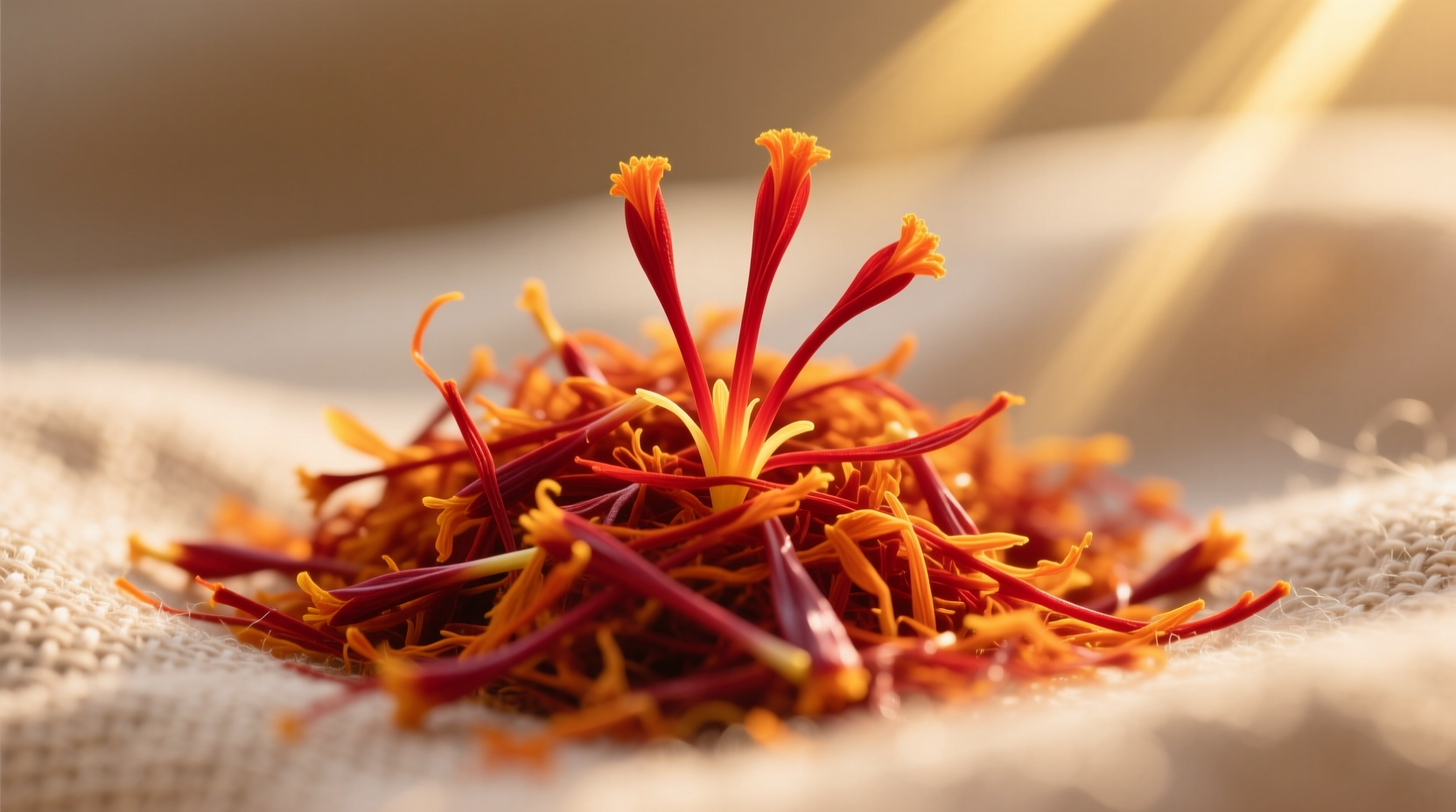
Saffron is derived from the dried stigmas of *Crocus sativus*, a sterile triploid plant that cannot reproduce through seeds. Instead, it must be propagated manually using corms—underground bulb-like structures. This lack of natural reproduction limits how quickly new fields can be established and restricts large-scale expansion of cultivation.
Each saffron crocus produces only three thread-like stigmas, which are the parts harvested to make the spice. These crimson threads contain the essential oils and compounds responsible for saffron’s color, flavor, and aroma—primarily crocin (for color), picrocrocin (for taste), and safranal (for scent). To yield just one gram of dried saffron, approximately 150 flowers must be picked, and their stigmas carefully extracted by hand.
This biological inefficiency is the first reason behind saffron’s high cost. Unlike spices such as black pepper or cinnamon, which come from abundant plant parts like berries or bark, saffron relies on a minuscule portion of a short-blooming flower. No amount of mechanization can overcome this fundamental constraint—it simply takes thousands of blossoms to produce a small batch of usable spice.
Labor-Intensive Harvesting Process
The harvesting of saffron is one of the most labor-intensive agricultural processes in the world. The *Crocus sativus* blooms for only one to two weeks per year, typically in the autumn months, and the flowers must be picked early in the morning before they fully open. Once collected, the stigmas must be separated from each flower by hand within hours to preserve freshness and prevent spoilage.
In regions like Khorasan in Iran, Kashmir in India, or La Mancha in Spain, entire communities participate in the harvest. Workers often begin at dawn, moving swiftly through fields to gather the fragile blossoms. After collection, women and children frequently take over the painstaking task of plucking the three red stigmas from each flower using tweezers or fingernails. It's estimated that producing one kilogram of dried saffron requires between 370,000 and 450,000 flowers and up to 400 hours of manual labor.
There is no viable machine alternative for this work. Attempts have been made to automate stigma extraction, but the precision required and the fragility of the threads make mechanical processing impractical. As a result, the human labor component remains both irreplaceable and costly—especially as wages rise in traditional growing regions.
“Saffron isn’t expensive because people want it to be—it’s expensive because nature and tradition demand an extraordinary effort for very little output.” — Dr. Hassan Rezaei, Agricultural Economist, University of Tehran
Geographic Limitations and Climate Sensitivity
Saffron thrives under specific climatic conditions: hot, dry summers followed by cool, wet autumns with well-drained soil. These requirements limit commercial cultivation to a handful of regions globally. Iran dominates production, accounting for over 90% of the world’s supply, followed by smaller contributions from India, Greece, Morocco, and Spain.
Even within these zones, yields are highly variable. Drought, unseasonal rains, or pests can devastate a year’s crop. In 2022, for example, excessive rainfall during flowering season in parts of Iran led to fungal infections and reduced stigma quality, causing prices to spike internationally. Because saffron cannot be grown efficiently outside these narrow ecological niches, there is little buffer against regional disruptions.
Additionally, land dedicated to saffron is not easily converted from other crops. A saffron field takes several years to establish, and corms need to be rotated or replaced periodically to maintain yield. Farmers face significant upfront investment and risk with uncertain returns, further limiting widespread adoption.
Post-Harvest Processing and Quality Grading
After harvesting, saffron undergoes careful drying to preserve its chemical integrity. Traditionally, stigmas are spread on fine mesh screens and dried over low heat or in sunlight. Modern producers may use climate-controlled ovens to ensure consistency. Improper drying leads to mold, loss of aroma, or degradation of active compounds—rendering the batch unusable for premium markets.
Once dried, saffron is graded according to international standards, primarily based on the ISO 3632 system, which measures crocin (color strength), picrocrocin (taste), and safranal (aroma) levels. The highest grade, ISO 3632 Category I, reflects intense coloring power and rich fragrance, commanding top prices. Lower grades include more yellow style tissue (the base of the stigma), which adds weight but contributes little flavor or color.
To illustrate the differences in quality and pricing, consider the following comparison:
| Grade | Color Strength (UV Absorbance) | Stigma Purity | Average Price per Gram (USD) |
|---|---|---|---|
| ISO I (Premium) | ≥190 | 100% red tips | $1.50–$2.50 |
| ISO II (Medium) | 150–189 | ~90% red, 10% yellow base | $0.80–$1.20 |
| ISO III (Standard) | 110–149 | ~70% red, 30% yellow | $0.40–$0.70 |
| Adulterated/False Saffron | <50 | Mixed with safflower or turmeric | $0.10–$0.30 |
Consumers often unknowingly purchase lower-grade or counterfeit saffron, which dilutes the market perception of its value. However, genuine high-grade saffron justifies its price through performance: a few threads are enough to color and flavor an entire dish, making it economical despite the high initial cost.
Global Demand vs. Limited Supply Chain
Despite its cost, global demand for saffron continues to grow. It is used not only in traditional cuisines—from Persian rice dishes to Spanish paella—but also in cosmetics, herbal medicine, and dietary supplements due to its antioxidant and mood-regulating properties. Studies suggest saffron may help with mild depression and age-related macular degeneration, increasing interest from health-conscious consumers.
Yet supply struggles to keep pace. Even if farmers wanted to expand production, the slow propagation of corms and limited arable land act as natural bottlenecks. Furthermore, much of the infrastructure in major producing countries remains small-scale and family-run, lacking access to modern financing or export logistics. This fragmented supply chain increases transaction costs and reduces efficiency.
Counterfeiting further complicates the market. Common substitutes like safflower, marigold petals, or dyed corn silk are sold as “saffron,” misleading buyers and undermining trust. Authentic saffron must be traceable, often requiring certification and lab testing—another layer of expense passed on to the consumer.
Mini Case Study: A Family Farm in Kashmir
In the Pampore region of Indian-administered Kashmir, the Mir family has cultivated saffron for generations. Their plot spans less than five hectares, yet supports four households during harvest season. Each autumn, they mobilize over 30 local workers to hand-pick nearly 200,000 flowers over ten days. Despite ideal soil and elevation, erratic weather patterns have reduced yields by nearly 30% over the past decade.
Last year, after investing in solar-powered drying units to improve quality, the Mires achieved ISO Grade I certification. Though production was only 1.2 kilograms, they were able to sell directly to a specialty importer in Germany at $22 per gram—ten times the local market rate. This success story highlights how quality-focused practices can offset low volume, but also underscores the financial risks smallholders face without support.
How to Use Saffron Wisely: A Step-by-Step Guide
Given its cost, maximizing saffron’s impact in cooking is essential. Follow this proven method to extract full flavor and color without waste:
- Crush the threads: Use a mortar and pestle to gently grind 5–10 saffron threads into a fine powder. This increases surface area for infusion.
- Steep in warm liquid: Place the crushed saffron in 2–3 tablespoons of warm water, broth, or milk. Avoid boiling, which can degrade volatile compounds.
- Wait 10–15 minutes: Allow the mixture to steep until the liquid turns deep golden-orange. This ensures full release of pigments and aromatics.
- Add early in cooking: Stir the infused saffron into your dish at the beginning of preparation so flavors integrate thoroughly.
- Store properly: Keep unused saffron in an airtight container away from light and moisture. Properly stored, it retains potency for up to two years.
Frequently Asked Questions
Can I substitute saffron with turmeric or safflower?
You can mimic saffron’s color using turmeric or safflower, but not its unique floral-honey flavor. Turmeric adds bitterness and earthiness, while safflower lacks depth. These are budget alternatives, not true replacements. For authentic taste, nothing compares to real saffron—even in small amounts.
Why does saffron cost more in some countries than others?
Pricing varies due to import duties, middlemen markups, and retail positioning. In the U.S. or Northern Europe, saffron often passes through multiple distributors before reaching shelves, inflating the final price. Buying directly from certified producers or cooperatives can reduce costs significantly.
Is organic saffron worth the extra cost?
Organic certification ensures no synthetic pesticides or fertilizers were used, which matters for a product consumed in concentrated form. Given saffron’s intensive handling, organic practices also often correlate with better labor conditions and environmental stewardship. If available and affordable, organic saffron offers added assurance of purity.
Conclusion: Respecting the Value Behind the Threads
Saffron’s high price is not arbitrary—it reflects centuries of tradition, immense human effort, and biological constraints that no technology has yet overcome. Every golden thread tells a story of predawn harvests, skilled hands, and fragile ecosystems working in harmony to produce something truly rare.
By understanding what goes into each gram, consumers can make smarter choices: opting for certified quality over bulk quantity, using saffron more effectively in recipes, and supporting ethical producers who uphold sustainable practices. Rather than seeing saffron as merely expensive, view it as a luxury earned through nature and nurture.




 浙公网安备
33010002000092号
浙公网安备
33010002000092号 浙B2-20120091-4
Comments
No comments yet. Why don't you start the discussion?