
Sourdough bread has surged in popularity not just for its tangy flavor and chewy texture, but for its reputation as a healthier alternative to conventional bread. Unlike mass-produced loaves that rely on commercial yeast and rapid processing, sourdough undergoes a slow, natural fermentation process using wild yeast and lactic acid bacteria. This ancient method of breadmaking does more than enhance taste—it fundamentally changes the bread’s nutritional profile, making it easier to digest and more beneficial for metabolic health. Understanding the science behind sourdough fermentation reveals why this traditional staple deserves a place in a modern, health-conscious diet.
The Science Behind Sourdough Fermentation
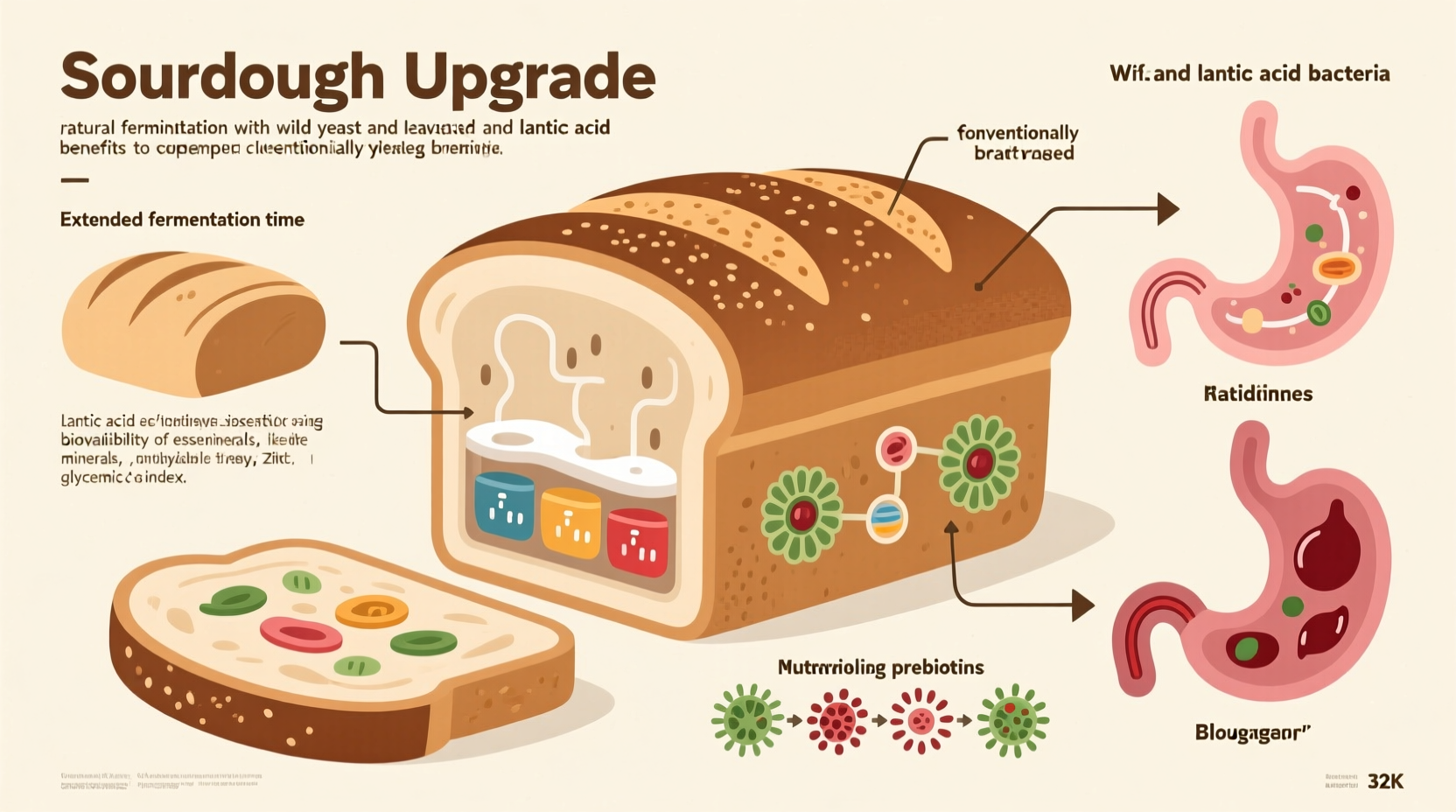
Sourdough fermentation is a biological process driven by naturally occurring microorganisms—primarily wild strains of Saccharomyces yeast and Lactobacillus bacteria. These microbes thrive in a mixture of flour and water known as a starter, which acts as a living culture. When added to dough, these organisms break down complex carbohydrates and proteins over an extended period, typically 8 to 24 hours.
During fermentation, lactic acid bacteria produce organic acids such as lactic and acetic acid. These acids lower the pH of the dough, creating an environment that inhibits harmful bacteria while enhancing flavor and shelf life. More importantly, this acidic environment triggers enzymatic activity that modifies the structure of gluten and starches, making them more accessible for human digestion.
“Sourdough fermentation is one of the oldest functional foods we have—a natural prebiotic and probiotic-rich food system that supports gut health.” — Dr. Maria Luce, Food Microbiologist, University of Bologna
This microbial transformation is absent in most commercial breads, where fast-acting baker’s yeast shortens fermentation time to under two hours. The rushed process fails to unlock the full nutritional potential of grains, leaving behind compounds that can irritate the digestive system.
Digestibility: Why Sourdough Is Easier on the Gut
One of the most compelling reasons sourdough is considered healthier lies in its improved digestibility. Many people who experience discomfort after eating regular bread—such as bloating, gas, or sluggishness—report fewer issues with sourdough. This isn’t coincidental; it’s a direct result of fermentation.
Gluten, a protein found in wheat, barley, and rye, is notoriously difficult for some individuals to digest. While sourdough is not gluten-free, long fermentation significantly breaks down gluten peptides into smaller, less reactive fragments. A 2010 study published in Clinical Nutrition found that patients with non-celiac gluten sensitivity experienced reduced gastrointestinal symptoms when consuming properly fermented sourdough wheat bread compared to standard wheat bread.
Beyond gluten, fermentation also degrades FODMAPs (fermentable oligo-, di-, mono-saccharides, and polyols)—short-chain carbohydrates that can cause digestive distress in sensitive individuals. By reducing fructans (a type of FODMAP), sourdough becomes more tolerable for those with irritable bowel syndrome (IBS) or mild carbohydrate sensitivities.
Nutrient Enhancement Through Phytate Reduction
Whole grains are rich in essential minerals like iron, zinc, magnesium, and calcium. However, they also contain phytic acid (or phytates), compounds that bind to these minerals and inhibit their absorption in the gut. In high concentrations, phytates act as anti-nutrients, reducing the bioavailability of key nutrients.
Sourdough fermentation dramatically reduces phytate levels. The lactic acid produced during fermentation activates the enzyme phytase, which breaks down phytic acid. Research shows that proper sourdough fermentation can reduce phytates by up to 60–70%, depending on the flour type and fermentation duration.
This means that even though sourdough and conventional whole wheat bread start with the same ingredients, your body absorbs more nutrients from the sourdough version. For example, the iron in sourdough bread is more readily available for hemoglobin production, and the magnesium contributes more effectively to muscle and nerve function.
| Factor | Sourdough Bread | Conventional Whole Wheat Bread |
|---|---|---|
| Fermentation Time | 8–24 hours | 1–3 hours |
| Phytate Content | Reduced by 60–70% | Minimal reduction |
| Gluten Structure | Predigested, partially broken down | Intact, less modified |
| Glycemic Index (GI) | 52–58 (Low to moderate) | 70+ (High) |
| Shelf Life (no preservatives) | 5–7 days | 2–3 days |
Blood Sugar Regulation and Metabolic Benefits
Another major advantage of sourdough bread is its impact on blood glucose levels. Due to the structural changes induced by fermentation, sourdough has a lower glycemic index (GI) than most other breads—even those made from similar flours. This means it causes a slower, more gradual rise in blood sugar after consumption.
The organic acids in sourdough, particularly acetic acid, play a crucial role here. They slow gastric emptying—the rate at which food leaves the stomach—and modulate insulin response. This effect helps prevent energy crashes and supports sustained satiety, making sourdough a smart choice for weight management and diabetes prevention.
A 2008 study in the European Journal of Clinical Nutrition demonstrated that participants who ate sourdough bread had significantly lower post-meal glucose and insulin spikes compared to those eating yeast-leavened whole wheat bread. Over time, this can contribute to improved insulin sensitivity and reduced risk of type 2 diabetes.
Real-Life Example: Managing Blood Sugar with Dietary Swaps
Sarah, a 42-year-old office worker diagnosed with prediabetes, struggled to maintain stable energy throughout the day. Her morning toast routine—two slices of store-bought whole grain bread with jam—left her hungry by mid-morning and fatigued by noon. After consulting a nutritionist, she switched to one slice of homemade rye sourdough with avocado and eggs.
Within a week, Sarah noticed fewer cravings and steadier focus. Her continuous glucose monitor showed flatter glucose curves after breakfast, and over three months, her fasting insulin levels dropped by 18%. While multiple factors contributed, her dietitian emphasized that replacing processed bread with slow-fermented sourdough was a pivotal change.
Step-by-Step: How to Choose or Make Truly Healthy Sourdough
Not all sourdough on supermarket shelves delivers the same health benefits. Many commercial brands use shortcuts—adding vinegar for tang or minimal fermentation—that mimic the flavor without the physiological advantages. To ensure you’re getting real, nutritious sourdough, follow this guide:
- Check the ingredient list: Authentic sourdough contains only flour, water, salt, and a sourdough starter. Avoid loaves with added yeast, preservatives, or dough conditioners.
- Look for fermentation time: Ask your baker how long the dough ferments. True sourdough should rest for at least 8 hours, preferably longer.
- Choose whole grain varieties: Sourdough made with whole wheat, rye, spelt, or einkorn offers more fiber and nutrients than white sourdough, though both benefit from fermentation.
- Observe texture and smell: Real sourdough has a slightly tangy aroma, irregular crumb structure, and crisp crust. Overly soft, uniform loaves are likely under-fermented.
- Consider making your own: Home fermentation allows full control over ingredients and timing. Start with a simple white sourdough recipe and experiment with whole grains as you gain confidence.
Common Myths About Sourdough Debunked
- Myth: Sourdough is gluten-free. Fact: Unless made with gluten-free flour and strict cross-contamination protocols, sourdough contains gluten. However, fermentation reduces gluten content and may improve tolerance in sensitive individuals—but it is not safe for celiacs unless certified gluten-free.
- Myth: All sourdough is healthy. Fact: Mass-produced “sourfaux” lacks true fermentation. Always verify ingredients and process.
- Myth: Sourdough is harder to digest because of acidity. Fact: The mild acidity actually aids digestion by stimulating stomach acid production and supporting gut microbiota balance.
Frequently Asked Questions
Can I eat sourdough if I have IBS?
Many people with IBS find sourdough more tolerable than other breads due to reduced FODMAP content, especially fructans. However, individual responses vary. Try small portions of well-fermented sourdough made from spelt or rye, and monitor symptoms. Some low-FODMAP diet guides now include sourdough as an acceptable option in moderation.
Does sourdough help with weight loss?
Sourdough itself isn’t a weight-loss food, but its lower glycemic index and higher satiety can support healthy eating patterns. Because it stabilizes blood sugar and keeps you fuller longer, it may reduce snacking and prevent overeating later in the day.
How long does homemade sourdough stay fresh?
Properly stored at room temperature, a good sourdough loaf lasts 5 to 7 days. It does not require refrigeration, which can dry it out. For longer storage, slice and freeze the bread; toast directly from frozen for best results.
Final Checklist: Choosing High-Quality Sourdough
- ✅ Ingredients:
- Only flour, water, salt, starter
- ✅ Fermentation Time:
- Minimum 8 hours, ideally 12+
- ✅ Texture:
- Irregular air pockets, chewy crumb, crisp crust
- ✅ Smell:
- Pleasantly tangy, slightly sour—not yeasty or sweet
- ✅ Label Claims:
- No “sourdough flavor” or added vinegar
Conclusion: Reclaiming Bread as a Nutritious Staple
Sourdough bread represents a return to food as it was traditionally prepared—slow, alive, and aligned with human biology. Its health benefits stem not from marketing hype, but from a deep biochemical transformation enabled by time and microbial collaboration. From improved digestion and better nutrient absorption to stabilized blood sugar and enhanced flavor, sourdough offers a compelling case for choosing quality over convenience.
In a world where ultra-processed foods dominate, embracing real sourdough is a small but powerful act of reclaiming control over what we eat. Whether you bake it yourself or seek out artisan bakers committed to authentic methods, each loaf connects you to a lineage of nourishment that spans centuries.




 浙公网安备
33010002000092号
浙公网安备
33010002000092号 浙B2-20120091-4
Comments
No comments yet. Why don't you start the discussion?