
Spinach, a leafy green vegetable with deep roots in global cuisine, has long been celebrated for its nutritional density and health-promoting properties. From ancient Persia to modern-day superfood lists, spinach remains a staple in diets focused on longevity, vitality, and disease prevention. Packed with essential vitamins, minerals, antioxidants, and fiber, it's no wonder nutritionists consistently recommend including spinach in daily meals. This article explores the science-backed reasons why spinach is good for you, detailing its most significant health benefits and offering practical ways to maximize its impact.
Nutritional Profile of Spinach
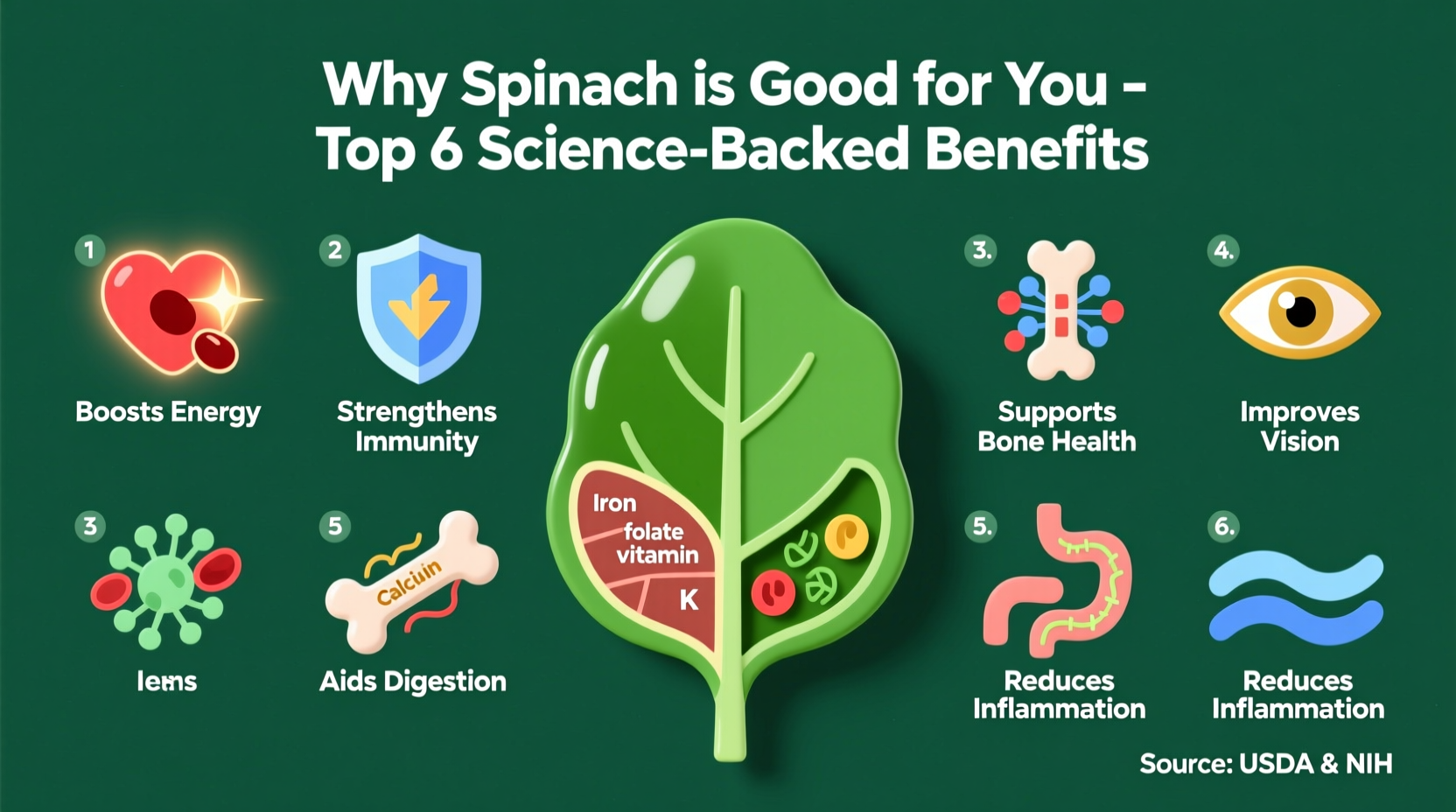
One cup (about 30 grams) of raw spinach contains remarkably few calories—just 7—yet delivers a powerful array of nutrients. It’s an excellent source of vitamin K, vitamin A (in the form of beta-carotene), vitamin C, folate, manganese, and magnesium. It also provides iron, calcium, potassium, and plant-based protein, all while being low in carbohydrates and virtually fat-free.
The nutrient concentration increases when spinach is cooked due to volume reduction. For example, one cup of boiled spinach contains over four times the amount of bioavailable calcium and iron compared to raw spinach. However, cooking can reduce levels of heat-sensitive nutrients like vitamin C and folate, so a balance of both raw and cooked consumption is ideal.
| Nutrient | Amount per 1 Cup Raw (30g) | Daily Value % |
|---|---|---|
| Calories | 7 | 0% |
| Vitamin K | 145 mcg | 121% |
| Vitamin A | 58% of RDA | 58% |
| Folate (B9) | 58 mcg | 15% |
| Vitamin C | 8 mg | 10% |
| Iron | 0.8 mg | 4% |
| Magnesium | 24 mg | 6% |
| Potassium | 167 mg | 4% |
Supports Heart Health
Sustaining cardiovascular wellness involves managing blood pressure, cholesterol, and arterial function—all areas where spinach excels. Its high nitrate content plays a crucial role in improving endothelial function and reducing blood pressure. Dietary nitrates are converted into nitric oxide in the body, a compound that relaxes blood vessels and enhances circulation.
A 2015 study published in the journal Hypertension found that participants who consumed nitrate-rich vegetables like spinach experienced significant reductions in systolic blood pressure within just 24 hours. Additionally, spinach’s potassium content helps counteract the effects of sodium, further supporting healthy blood pressure levels.
“Leafy greens like spinach are among the most effective dietary tools for lowering hypertension and preventing heart disease.” — Dr. Lena Torres, Cardiovascular Nutrition Researcher
Boosts Eye Health and Prevents Age-Related Vision Loss
Spinach is rich in two critical carotenoids: lutein and zeaxanthin. These antioxidants accumulate in the retina, particularly in the macula, where they protect against oxidative damage caused by blue light and environmental stressors. High intake of lutein and zeaxanthin has been linked to a lower risk of age-related macular degeneration (AMD) and cataracts—the leading causes of vision impairment in older adults.
One study from the Journal of the American Medical Association showed that individuals consuming at least one serving of spinach or kale per day had a 43% lower risk of developing AMD compared to those who rarely ate these greens.
- Lutein and zeaxanthin act as natural sunglasses inside the eye
- They filter harmful high-energy blue wavelengths of light
- Regular consumption may slow progression of existing eye conditions
Enhances Bone Strength and Calcium Absorption
Vitamin K is often overlooked in bone health discussions, but it’s essential for proper calcium utilization. Spinach provides more than 100% of the recommended daily intake of vitamin K1 per cup, which activates osteocalcin—a protein necessary for binding calcium to the bone matrix.
While spinach contains calcium, its bioavailability is somewhat limited by oxalates, naturally occurring compounds that bind minerals. However, boiling spinach reduces oxalate content by up to 87%, significantly increasing calcium absorption. Combining spinach with vitamin D-rich foods (such as eggs or fortified plant milks) further enhances bone mineralization.
How to Maximize Calcium Uptake from Spinach
- Boil or steam spinach before eating to reduce oxalates
- Avoid consuming with high-oxalate foods like rhubarb or beet greens in the same meal
- Pair with vitamin D sources to improve calcium metabolism
- Consume regularly rather than occasionally for sustained benefit
Supports Digestive Health and Weight Management
The fiber content in spinach—about 0.7 grams per cup—contributes to digestive regularity and gut microbiome balance. Though not exceptionally high in fiber compared to legumes or whole grains, spinach supports digestion through other mechanisms, including hydration (it’s 91% water) and mild natural laxative effects from magnesium.
For weight management, spinach is nearly ideal: low in calories, high in volume, and rich in satiating nutrients. Thylakoids, unique structures found in spinach chloroplasts, have been studied for their ability to slow fat digestion and increase the release of satiety hormones like cholecystokinin (CCK). In a clinical trial conducted at Lund University, participants who consumed spinach extract before breakfast reported reduced hunger and lower cravings throughout the day.
May Reduce Cancer Risk Through Antioxidant Activity
Spinach contains several compounds under investigation for anticancer properties, including chlorophyll, kaempferol, and neoxanthin. Kaempferol, in particular, has demonstrated anti-inflammatory and apoptosis-inducing effects in laboratory studies involving breast, ovarian, and colon cancer cells.
Chlorophyll, the pigment responsible for spinach’s green color, may also help neutralize carcinogens such as heterocyclic amines formed during high-temperature cooking of meats. While human trials are ongoing, population studies consistently show that higher consumption of green leafy vegetables correlates with lower overall cancer incidence.
Real Example: Maria’s Dietary Shift
Maria, a 52-year-old teacher from Portland, began incorporating two cups of steamed spinach into her evening meals after learning about its link to reduced inflammation markers. Over six months, her CRP (C-reactive protein) levels dropped from 4.1 mg/L to 1.8 mg/L, indicating significantly lower systemic inflammation. She credits this change, along with increased energy and improved digestion, to consistent spinach intake combined with other whole foods.
Frequently Asked Questions
Is raw or cooked spinach healthier?
Both have advantages. Raw spinach retains more vitamin C and folate, while cooked spinach offers higher bioavailability of iron, calcium, and beta-carotene. For maximum benefit, include both forms in your diet.
Can eating too much spinach be harmful?
In rare cases, excessive spinach consumption may contribute to kidney stone formation in susceptible individuals due to its oxalate content. People on blood thinners should maintain consistent vitamin K intake (not necessarily avoid spinach) since it affects clotting time. Moderation and variety remain key.
Does spinach really make you stronger, like Popeye?
While cartoon exaggeration aside, spinach does support muscle function through its magnesium, iron, and nitrates. Nitrate-rich diets have been shown to improve exercise efficiency and endurance, making spinach a smart choice for active individuals.
Simple Ways to Add More Spinach to Your Diet
- Blend into morning smoothies with banana and almond milk
- Add fresh leaves to sandwiches and wraps instead of lettuce
- Sauté with garlic and olive oil as a quick side dish
- Mix into scrambled eggs, omelets, or frittatas
- Incorporate into soups, stews, and pasta sauces near the end of cooking
- Use as a base for grain bowls or Buddha bowls
Conclusion
Spinach stands out as one of the most nutrient-dense foods available, offering wide-ranging benefits for heart, eye, bone, and digestive health. Its rich supply of antioxidants, vitamins, and unique phytonutrients makes it a valuable ally in preventing chronic disease and supporting long-term wellness. Whether enjoyed raw in salads or cooked in savory dishes, integrating spinach into your daily routine is a simple yet powerful step toward better health.




 浙公网安备
33010002000092号
浙公网安备
33010002000092号 浙B2-20120091-4
Comments
No comments yet. Why don't you start the discussion?