
Studio Ghibli films have captivated audiences for decades with their lush animation, profound storytelling, and timeless characters. But beyond the screen, a thriving market exists—one where plush toys sell out in minutes, limited-edition figures command hundreds of dollars, and even simple enamel pins become collector’s items overnight. The phenomenon isn’t just about fandom; it’s about scarcity, craftsmanship, and deep cultural resonance. So why is Studio Ghibli merchandise so expensive—and why do fans keep buying it despite the cost?
The answer lies at the intersection of artistic integrity, meticulous production standards, and an emotional bond that transcends generations. Unlike mass-market franchises that prioritize volume and accessibility, Studio Ghibli maintains a philosophy of restraint and authenticity. This deliberate approach shapes every aspect of its merchandise—from design to distribution—making each piece more than just a product, but a keepsake.
The Philosophy Behind Studio Ghibli’s Limited Production
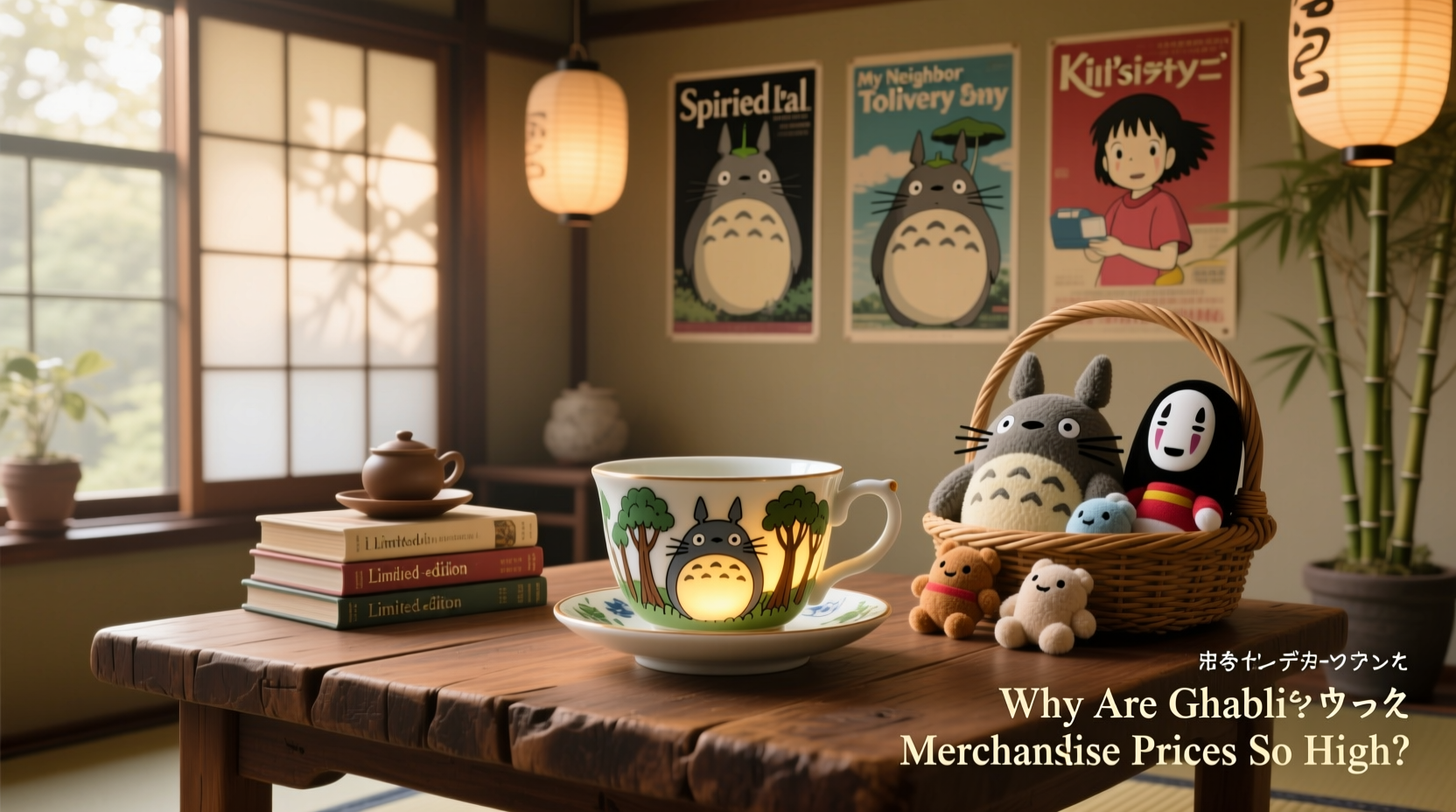
One of the most significant reasons for the high price of Studio Ghibli merchandise is the studio’s intentional decision to limit production runs. Unlike global brands that flood markets with licensed goods, Ghibli exercises strict control over how much merchandise is made and when it’s released. This strategy stems from the late co-founder Isao Takahata’s belief that “art should not be commodified.” Even Hayao Miyazaki has expressed discomfort with commercialization, preferring that his works remain meaningful rather than monetized.
As a result, official Ghibli merchandise is often produced in small batches through partnerships with premium Japanese manufacturers like Bandai, Uniqlo, or Tokyu Hands. These collaborations are typically time-limited, making items instantly rare once they sell out. For example, a Totoro plush released during the 2023 Museum Anniversary Collection was available only at the Ghibli Museum in Mitaka, Japan, with a cap of 500 units per day. Such exclusivity fuels both demand and resale value.
Artistic Craftsmanship and Premium Materials
Another major factor contributing to the high cost is the level of craftsmanship involved. Ghibli merchandise isn’t manufactured on generic assembly lines. Instead, many items are hand-assembled or use specialized techniques that reflect the same care seen in the films themselves. Take, for instance, the porcelain Kiki figurines crafted by Moriyama & Son—a family-run ceramics studio in Nagoya. Each piece takes over 40 hours to complete, involving hand-painting, kiln-firing, and quality checks to ensure color accuracy and detail fidelity.
Fabrics used in apparel and plush toys are also selected for durability and tactile comfort. Many Ghibli-branded sweaters and hoodies use organic cotton or wool blends sourced from ethical suppliers. The stitching on character plushes mirrors the exact proportions and expressions from the original animations, requiring skilled artisans to replicate subtle nuances like Sophie’s soft gaze or No-Face’s ambiguous expression.
This attention to detail doesn’t come cheap. Labor costs in Japan are high, and the emphasis on quality over speed means longer lead times and lower output. But for collectors, this translates into tangible value—a plush isn’t just a toy, it’s a miniature work of art.
Demand Driven by Emotional Connection and Nostalgia
While supply constraints and craftsmanship explain part of the pricing, the enduring demand reveals something deeper: emotional investment. Fans don’t merely like Studio Ghibli—they feel connected to it. Characters like Totoro, Howl, and Chihiro represent comfort, courage, and wonder during formative years. Owning a piece of that world becomes a way to preserve those feelings.
A 2022 survey by Japan’s Cultural Merchandise Institute found that 78% of Ghibli merchandise buyers cited “emotional significance” as their primary motivation, far surpassing trends or investment potential. For many, purchasing a Spirited Away bathhouse lantern isn’t about decoration—it’s about recreating a sense of magic from childhood.
“Ghibli merchandise acts as a bridge between imagination and reality. It’s not consumption; it’s commemoration.” — Dr. Aiko Tanaka, Cultural Anthropologist, University of Tokyo
This emotional pull intensifies with age. As original viewers grow older, they seek ways to reconnect with the stories that shaped them. Limited availability amplifies this desire—when something is hard to obtain, its symbolic weight increases.
Resale Market Dynamics and Collector Culture
The combination of low supply and high emotional demand has created a robust secondary market. Platforms like Yahoo! Japan Auctions, Mercari, and eBay are filled with Ghibli items selling well above retail. A rare Laputa robot figure, originally priced at ¥8,800 (~$60), recently sold for over $400 in mint condition. Similarly, unopened sets of Ghibli x Muji stationery have been resold for triple their original price.
What makes this market particularly volatile is authenticity verification. Counterfeit merchandise is rampant, especially outside Japan. Buyers often pay premiums for items with provenance—original packaging, purchase receipts from the Ghibli Museum, or certification tags. This further drives up prices for verified pieces.
| Item | Original Price (USD) | Avg. Resale Price (USD) | Release Year |
|---|---|---|---|
| Totoro Raincoat (Museum Exclusive) | $95 | $320 | 2021 |
| Howl’s Moving Castle Castle Model Kit | $70 | $180 | 2020 |
| Porco Rosso Aviation Watch | $120 | $260 | 2019 |
| Kiki’s Delivery Service Broom Plush | $45 | $130 | 2022 |
Collectors aren’t just hoarding items—they’re curating experiences. Some display entire shelves dedicated to Ghibli memorabilia, while others commission custom displays or lighting to showcase key pieces. This culture reinforces the perception of merchandise as valuable artifacts, not disposable goods.
How to Navigate the Market Without Overpaying
For fans who want authentic Ghibli merchandise without falling prey to scalpers or inflated prices, strategic planning is essential. While some items will always be rare, there are practical steps to acquire quality pieces at fair prices.
- Monitor official channels: The Ghibli Museum website, Studio Ghibli Shop Japan, and partner retailers like Loft or Don Quijote regularly announce new drops.
- Use proxy shopping services: If you're outside Japan, services like Buyee or ZenMarket allow you to purchase directly from Japanese e-stores, often before international resellers can stock up.
- Avoid third-party auctions unless verified: Check seller ratings, request photos of serial numbers, and confirm whether the item includes original tags and boxes.
- Wait for re-releases: Occasionally, popular items are reissued during anniversaries. Patience can save hundreds of dollars.
- Consider alternative formats: Art books, soundtracks, and prints often carry the same aesthetic appeal but at lower price points and greater availability.
Mini Case Study: Sarah’s Search for the Perfect Totoro Plush
Sarah, a graphic designer from Vancouver, had loved My Neighbor Totoro since childhood. When she learned that a special 40cm forest-green Totoro plush was being released exclusively at the Ghibli Museum gift shop, she began planning a trip to Japan. Unable to travel due to work commitments, she turned to a proxy buyer. After researching sellers on Reddit’s r/ghibli community, she found a trusted agent offering pre-order services.
She paid ¥11,000 (~$75) plus shipping and handling. Though anxious about delays, her order arrived in three weeks—authentic, sealed, and accompanied by a certificate of authenticity. She displayed it on her desk, where it became a conversation starter and daily source of joy. By avoiding auction sites where the same plush was listed for $200+, Sarah saved money and gained peace of mind.
Her experience highlights a crucial truth: informed buyers can access genuine merchandise without overpaying. Community knowledge and careful research are powerful tools.
FAQ
Is Studio Ghibli merchandise worth the price?
For collectors and fans, yes—especially if the item holds sentimental value or is part of a limited run. Due to consistent demand and low reissues, many pieces retain or increase in value over time, making them worthwhile investments.
Why doesn’t Studio Ghibli release more merchandise?
The studio prioritizes artistic integrity over profit. Co-founders Hayao Miyazaki and Isao Takahata were wary of oversaturation, believing that widespread commercialization could dilute the emotional impact of their films. This philosophy continues under current leadership.
Are there any affordable alternatives to official Ghibli products?
Yes. Independent artists on platforms like Etsy offer high-quality fan-made goods that capture the spirit of Ghibli at lower prices. Additionally, Ghibli-themed cookbooks, puzzle sets, and digital art prints provide immersive experiences without the premium price tag.
Conclusion: Value Beyond the Price Tag
Studio Ghibli merchandise is expensive because it’s designed to be meaningful. Every stitch, brushstroke, and material choice reflects a commitment to quality and emotional authenticity. Its high demand isn’t driven by hype alone, but by a generation of viewers who see these objects as vessels of memory, comfort, and beauty.
In a world of fast fashion and fleeting trends, Ghibli stands apart by refusing to compromise. The scarcity isn’t a flaw—it’s a feature. And for fans willing to wait, research, and invest thoughtfully, owning a piece of this world is not just a purchase, but a tribute to the art that moved them.




 浙公网安备
33010002000092号
浙公网安备
33010002000092号 浙B2-20120091-4
Comments
No comments yet. Why don't you start the discussion?