
Studio Ghibli’s films have captured hearts across generations with their poetic storytelling, lush animation, and emotional depth. From the floating castles of *Howl’s Moving Castle* to the forest spirits of *Princess Mononoke*, fans don’t just watch these movies—they live them. That deep connection fuels a passionate market for Studio Ghibli merchandise, from plush toys of Totoro to limited-edition prints of *Spirited Away*. But many newcomers—and even longtime fans—are often stunned by the price tags. Why does a small enamel pin cost $30? Why do vintage posters sell for hundreds? And more importantly, where can you actually find good deals without falling into counterfeit traps?
The answer lies in a mix of cultural value, production ethics, scarcity, and global demand. Understanding this ecosystem not only explains the pricing but also empowers fans to shop smarter.
The Cultural and Artistic Value Behind the Price
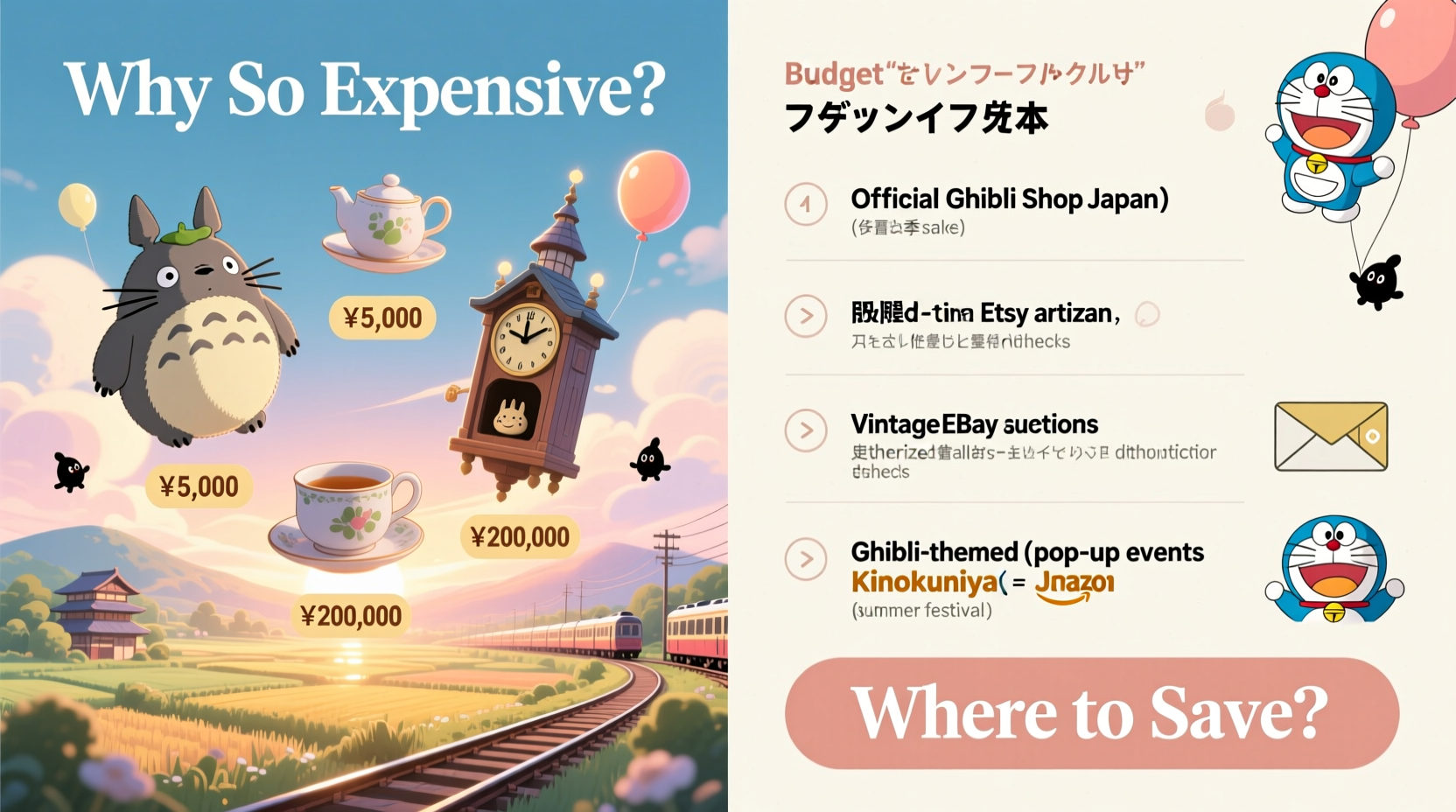
Studio Ghibli isn’t just an animation studio—it’s a cultural institution in Japan. Founded by Hayao Miyazaki, Isao Takahata, and Toshio Suzuki, the studio has maintained a fiercely independent stance on creative control, hand-drawn artistry, and environmental themes. This integrity translates directly into its merchandise. Unlike mass-market franchises that prioritize volume and licensing revenue, Ghibli products are treated as extensions of the films’ artistic vision.
Every item—whether it's a tea set inspired by *Kiki’s Delivery Service* or a fabric tote featuring Jiji the cat—is designed with attention to detail, color accuracy, and thematic consistency. The studio works closely with manufacturers to ensure that materials reflect the tone of the original work. For example, a *My Neighbor Totoro* plush isn’t just soft; it’s weighted to feel huggable, with stitching that mimics fur texture and eyes that convey gentle warmth.
“Ghibli doesn’t license casually. Each product must respect the spirit of the film. That means higher costs—but also higher meaning.” — Akira Saito, Japanese Pop Culture Analyst
This philosophy limits how many partners can produce official goods and ensures that even simple items go through rigorous approval processes. As a result, every piece carries not just brand recognition, but artistic legitimacy—a factor collectors and serious fans are willing to pay for.
Scarcity and Limited Production Runs
One of the most significant drivers of high prices is intentional scarcity. Studio Ghibli rarely produces merchandise in bulk. Instead, they release items in limited quantities, often tied to special events like museum exhibitions, seasonal promotions, or anniversaries. Once sold out, reprints are rare. This model creates urgency and exclusivity.
For instance, when the Ghibli Museum in Mitaka released a set of 500 hand-painted postcards featuring rare concept art, they sold out within minutes. Resellers quickly listed them on auction sites for ten times their original price. Similarly, the now-iconic “Catbus” plush from *My Neighbor Totoro* was only available at the museum gift shop and select pop-up stores. Today, mint-condition versions fetch over $200 on secondary markets.
Because restocks are uncommon, secondary markets thrive. Platforms like Yahoo! Japan Auctions, Mercari Japan, and eBay become battlegrounds for rare finds, further inflating prices due to bidding wars and international shipping fees.
Authenticity, Licensing, and the Counterfeit Problem
With such high demand comes widespread counterfeiting. Fake Studio Ghibli merchandise floods online marketplaces, especially during peak shopping seasons. These knockoffs may look similar at first glance but often use cheap materials, inaccurate colors, and poor construction.
Why does this affect pricing? Because authentic products must compete not just on quality, but on trust. Officially licensed items carry certifications like the “©️ 株式会社スタジオジブリ” (Copyright Studio Ghibli Inc.) mark and are distributed through verified channels such as Tokyu Hands, Isetan, or the official Ghibli online store.
These distributors charge premium placement fees, maintain strict inventory controls, and invest in anti-counterfeit measures—all of which add to the final retail cost. Meanwhile, counterfeiters cut corners, avoiding taxes, royalties, and quality checks, allowing them to undercut legitimate sellers.
Unfortunately, buying fake merchandise harms both fans and the studio. Fans receive subpar products that degrade quickly, while lost royalty income reduces funding for future projects and authentic collectibles.
How to Spot Real vs. Fake Ghibli Merchandise
| Feature | Authentic Item | Fake Item |
|---|---|---|
| Packaging | High-quality box with precise printing and logo alignment | Misaligned text, blurry logos, flimsy material |
| Labeling | Includes ©️ notice, manufacturer code, and country of origin | Missing copyright info or vague “Made in Asia” labels |
| Price | Rarely discounted below MSRP; no “too good to be true” deals | Extremely low prices (e.g., $5 Totoro plush) |
| Sewing & Detail | Even stitching, accurate character proportions, durable seams | Loose threads, mismatched features, uneven stuffing |
Where to Find Genuine Deals on Studio Ghibli Merchandise
You don’t need to empty your wallet to build a meaningful Ghibli collection. With patience and strategy, you can find authentic items at fair prices. Here are proven methods:
1. Shop During Seasonal Sales in Japan
Japanese retailers run major sales twice a year: mid-year (June–July) and year-end (December–January). Stores like Loft, Tokyu Hands, and Kinokuniya offer 20–50% off selected Ghibli lines during these periods. Use a proxy shopping service like Buyee or ZenMarket to access these deals from abroad.
2. Visit the Ghibli Museum Store (In Person or Online)
The Ghibli Museum in Tokyo sells exclusive items unavailable anywhere else. While entry requires timed tickets, the museum’s online store occasionally releases limited drops. Register for updates and act fast when new stock appears.
3. Check Authorized International Retailers
In recent years, Studio Ghibli has expanded partnerships with global retailers. In the U.S., Barnes & Noble and BoxLunch carry curated selections of books, apparel, and figures. These shops sometimes run member-only discounts or bundle offers.
4. Monitor Reputable Resale Platforms
Sites like Mandarake (Japan’s largest secondhand anime store) and Suruga-kan specialize in used but well-maintained collectibles. Many items are gently used or still sealed, priced significantly below retail. Be sure to check seller ratings and return policies.
5. Join Fan Communities and Swap Groups
Dedicated Facebook groups, Reddit threads (like r/ghibli), and Discord servers often host swaps or group buys. Members pool orders to reduce international shipping costs or trade duplicates. It’s a great way to get rare pieces affordably while connecting with fellow fans.
“I saved $80 on a Soot Sprites lantern by joining a group buy through a Reddit thread. We ordered 12 units directly from Japan—shipping per person dropped by 60%.” — Lena M., California-based collector
Step-by-Step Guide to Buying Authentic Ghibli Merch Without Overpaying
- Set a budget and define your goal: Are you collecting for display, personal use, or investment? Knowing your purpose helps prioritize spending.
- Research current market prices: Search completed listings on eBay or Yahoo! Japan to see what items actually sell for.
- Identify trusted sources: Stick to official stores, licensed retailers, or highly rated resellers with clear photos and return policies.
- Use a proxy service if needed: For Japanese-only sites, services like Buyee forward purchases internationally. Compare shipping options to minimize costs.
- Wait for sales or restocks: Sign up for email alerts. Patience often beats impulse buying.
- Inspect upon arrival: Verify packaging, labels, and quality before considering the purchase complete.
Checklist: Smart Shopping for Studio Ghibli Collectors
- ✅ Confirm the item has an official copyright notice
- ✅ Buy from a licensed retailer or top-rated reseller
- ✅ Compare prices across multiple platforms
- ✅ Avoid third-party sellers with no reviews or blurry images
- ✅ Consider pre-owned items in excellent condition
- ✅ Use price-tracking tools like CamelCamelCamel for Amazon deals
- ✅ Join fan forums for insider tips and group purchase opportunities
Frequently Asked Questions
Is all Studio Ghibli merchandise made in Japan?
No. While premium items like art books and high-end figures are often produced in Japan, many accessories (e.g., mugs, keychains) are manufactured in other countries under license. What matters is the presence of official branding and distribution through approved channels—not the country of origin.
Are older Ghibli items better investments?
Generally, yes—but only if they’re rare, in mint condition, and officially licensed. Vintage promotional items from the 1990s, such as VHS-era posters or event-exclusive pins, have appreciated significantly. However, avoid assuming age equals value; condition and provenance matter more than time alone.
Can I resell Studio Ghibli merch for profit?
Some fans do, particularly with limited editions. But treating fandom as pure speculation risks disappointment. Prices fluctuate, and oversaturation can devalue certain items. If you buy primarily to resell, research trends carefully and store items properly to preserve condition.
Conclusion: Value Beyond the Price Tag
Studio Ghibli merchandise commands high prices not because of marketing hype, but because each piece represents a commitment to artistry, sustainability, and emotional resonance. These aren’t disposable trinkets—they’re heirlooms that carry memories of childhood wonder, quiet reflection, and imaginative escape.
While the cost may seem steep, understanding the reasons behind it transforms frustration into appreciation. And with smart strategies—proxies, sales tracking, community collaboration—you can own authentic pieces without financial strain.




 浙公网安备
33010002000092号
浙公网安备
33010002000092号 浙B2-20120091-4
Comments
No comments yet. Why don't you start the discussion?