
The sight of the American flag flying at half-mast evokes a sense of solemnity and respect. Whether observed on a government building, a military base, or a private residence, this gesture carries deep symbolic meaning. Yet many people wonder: why is the flag at half mast? And who decides when it should be lowered? Understanding flag protocols goes beyond mere tradition—it reflects national values, historical customs, and formal procedures established to honor sacrifice, mourn loss, and unite the country in moments of collective grief.
What Does Flying the Flag at Half-Mast Mean?
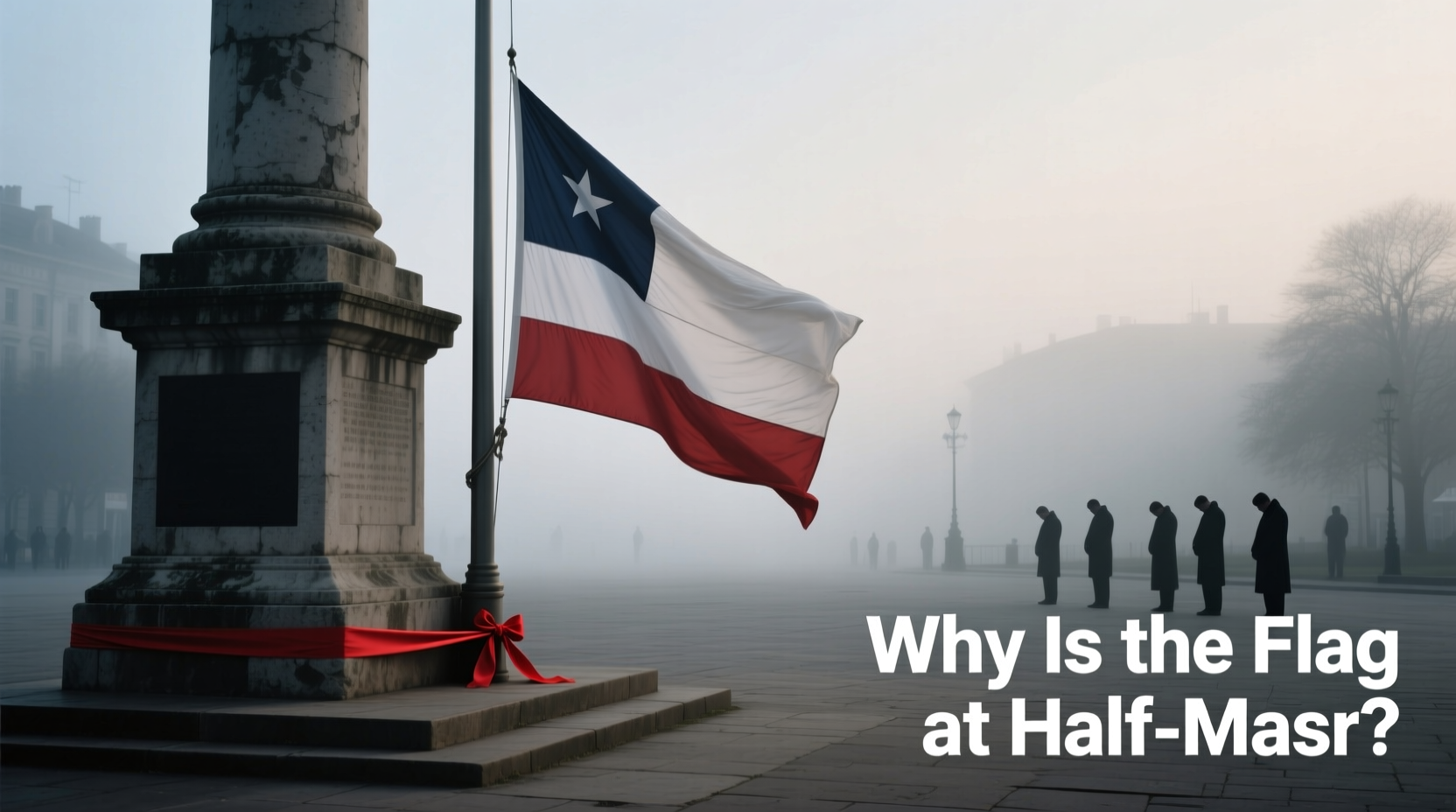
Flying the U.S. flag at half-mast—also commonly referred to as “half-staff”—is a sign of mourning and respect. The position symbolizes that the nation is in a state of sorrow, typically due to the death of a prominent individual or in response to a national tragedy. This act serves both as a tribute and a visual cue to the public that the country is observing a period of remembrance.
The distinction between “half-mast” and “half-staff” is subtle but meaningful. Technically, “half-mast” refers to flags flown on ships or naval installations, while “half-staff” applies to land-based flagpoles. However, in everyday usage, the terms are often used interchangeably.
“Lowering the flag is one of the most visible and dignified ways our nation expresses unity in grief.” — Admiral James Stavridis (Ret.), Former Supreme Allied Commander, NATO
Who Has the Authority to Order the Flag Lowered?
The power to order the U.S. flag flown at half-staff lies primarily with specific high-ranking officials. According to the U.S. Code (Title 4, Chapter 1, Section 7), the authority rests with:
- The President of the United States
- The Governor of a state, territory, or possession
- The Mayor of the District of Columbia
The President may issue proclamations ordering the flag to be lowered nationwide, especially in cases involving federal officials, national tragedies, or acts of terrorism. Governors have similar authority within their jurisdictions, allowing them to honor fallen local heroes such as first responders, military personnel, or public servants.
Common Reasons for Flying the Flag at Half-Staff
There are both standardized and discretionary reasons for lowering the flag. Some are codified in law, while others reflect evolving national sentiment. Common occasions include:
- Death of a current or former U.S. President – 30 days from the day of death
- Death of a Vice President, Chief Justice, or Speaker of the House – 10 days
- Death of a sitting member of Congress – Day of death and the following day
- National Days of Mourning – Declared by presidential proclamation after major tragedies
- Memorial Day – Flags are flown at half-staff until noon, then raised to full staff to honor the living
- Line-of-duty deaths of first responders – Increasingly recognized by governors and local authorities
In recent years, there has been growing recognition of tragedies beyond political figures. Mass shootings, natural disasters, and the loss of service members in combat have prompted presidential directives to lower the flag as a unifying gesture.
Proper Procedure for Raising and Lowering the Flag
Correct flag etiquette ensures that the symbolism remains respectful and consistent. The process of flying the flag at half-staff follows a precise sequence:
- Raise the flag briskly to the top of the pole – This momentary ascent acknowledges the flag’s honored position.
- Lower it slowly to half-staff – Typically halfway between the top and bottom of the pole.
- At the end of the day, raise it to the top again before lowering – This final salute reaffirms respect before retirement.
This ritual underscores the dignity of the flag even in mourning. It is never simply hoisted halfway; the movement from full mast to half-staff and back is intentional and ceremonial.
Half-Staff vs. Full Staff: A Timeline Example
After the passing of Supreme Court Justice Ruth Bader Ginsburg in September 2020, President Donald Trump issued a proclamation directing that flags be flown at half-staff until her interment. The timeline followed standard protocol:
- Day 1: Flag raised to full staff, then lowered to half-staff
- Days 2–10: Flown at half-staff across federal buildings and military installations
- Last day: Raised to full staff at noon before being lowered for the day
This example illustrates how formal procedures align with national observances, ensuring uniformity and respect.
State and Local Variations in Flag Protocols
While federal guidelines provide a framework, states and municipalities often exercise discretion. For instance, after the 2012 Sandy Hook Elementary School shooting, then-Governor Dannel Malloy of Connecticut ordered flags lowered not only for the victims but also for the educators who died protecting students. Similarly, Texas has lowered its flags to honor fallen firefighters and school shooting victims.
| Occasion | Duration | Authority |
|---|---|---|
| Death of a President (current or former) | 30 days | President |
| Death of a Vice President | 10 days | President |
| Memorial Day | Sunrise to noon | National Observance |
| Fallen Law Enforcement Officer (local) | 1 day | Governor or Mayor |
| National Tragedy (e.g., mass shooting) | Variable (3–7 days typical) | President |
When Should Private Citizens Follow Suit?
While federal and state mandates apply to government facilities, private citizens and businesses are encouraged—but not required—to lower their flags during periods of national mourning. Doing so demonstrates civic respect and solidarity. However, if a flag cannot be properly displayed at half-staff (e.g., fixed-position poles), attaching a black ribbon or streamer is an acceptable alternative.
Common Misunderstandings About Half-Staff Display
Mistakes in flag etiquette can unintentionally diminish the gesture’s significance. Below are common errors and corrections:
| Do’s | Don’ts |
|---|---|
| Raise the flag to the peak before lowering to half-staff | Hoist the flag directly to mid-pole |
| Lower the flag to half-staff only during designated periods | Leave the flag at half-staff indefinitely out of habit |
| Follow presidential or gubernatorial proclamations | Lower the flag without official guidance for personal reasons |
| Ensure the flag does not touch the ground when raising or lowering | Allow the flag to drag or become entangled |
FAQ
Can the flag be flown at night at half-staff?
Yes, if the flag is properly illuminated. According to the U.S. Flag Code, flags displayed at night must be lit. This rule applies regardless of whether the flag is at full or half-staff.
Why is the flag raised to full staff at noon on Memorial Day?
This symbolic act represents the nation’s resilience. After honoring the fallen in the morning, raising the flag at noon signifies the living’s commitment to continue striving for liberty and justice.
What if I see a flag at half-staff with no known reason?
It could be due to a local proclamation not widely reported, or a private citizen paying respects. You can check official sources like the White House website or your governor’s office for active proclamations.
Conclusion
The decision to fly the American flag at half-mast is more than a ceremonial act—it is a profound expression of national unity, respect, and shared memory. From the death of a president to the sacrifice of a local firefighter, each lowering of the flag reminds us of those who shaped our history and protected our freedoms. By understanding the protocols behind this tradition, citizens can participate meaningfully in moments of national reflection.
Next time you see the flag flying at half-staff, take a moment to acknowledge its significance. Whether through quiet contemplation, sharing the story of whom it honors, or correctly displaying your own flag, small actions uphold the dignity of this enduring symbol.




 浙公网安备
33010002000092号
浙公网安备
33010002000092号 浙B2-20120091-4
Comments
No comments yet. Why don't you start the discussion?