
The word “retard” — often shortened to the \"r-word\" — has long been used as a casual insult in everyday speech. Phrases like “that’s so retarded” have circulated in schools, online spaces, and even media for decades. But behind this seemingly harmless slang lies a deeply painful history rooted in systemic dehumanization, medical stigma, and social exclusion. Understanding why the r-word is offensive requires confronting not just how it's used today, but where it came from, who it harms, and how language shapes perception.
The Origin of the R-Word: From Medical Term to Derogatory Slur
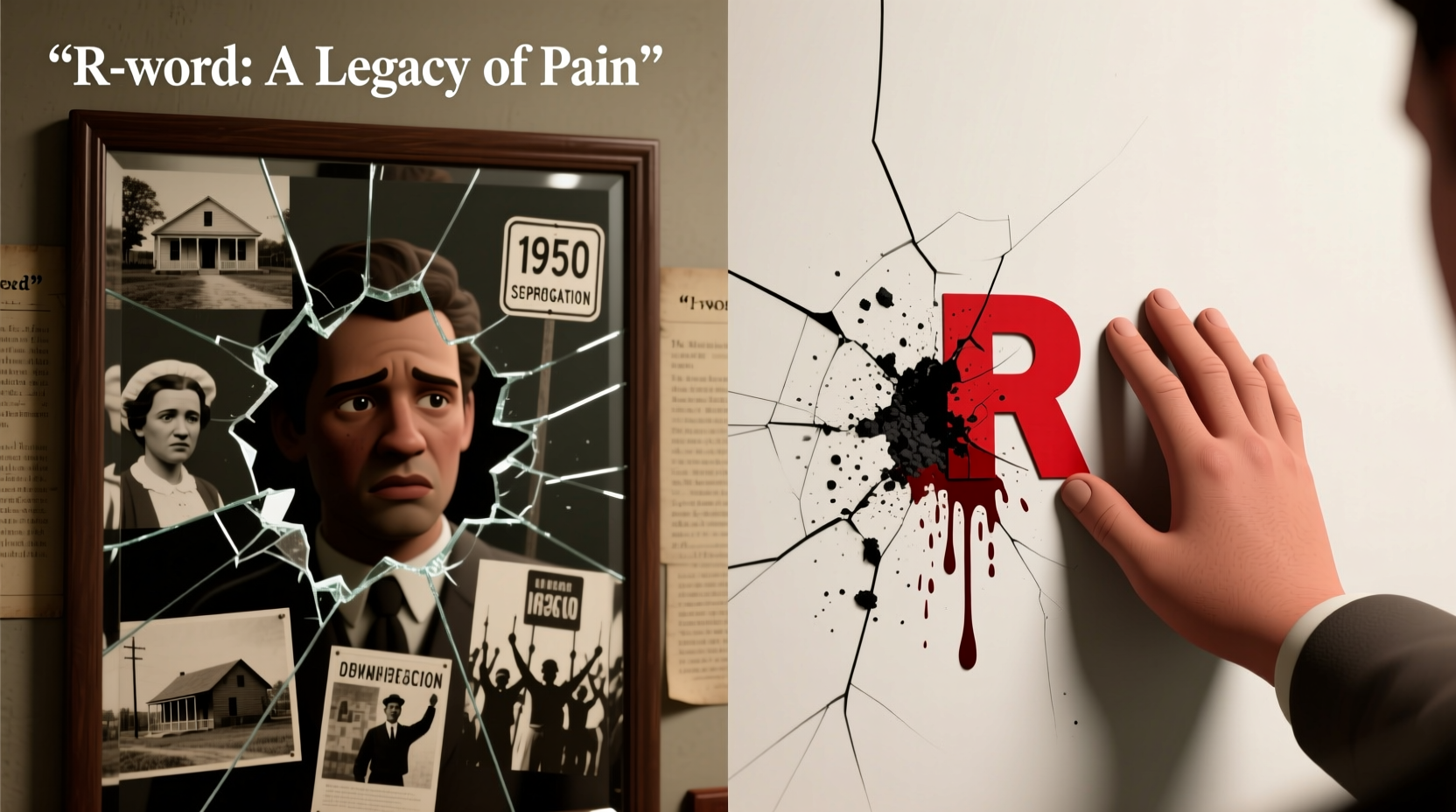
Originally, “mental retardation” was a clinical term adopted in the early 20th century by psychologists and physicians to describe individuals with intellectual and developmental disabilities (IDD). It was intended as a neutral descriptor, categorizing cognitive functioning levels for diagnosis and support planning. However, the term quickly escaped medical settings and entered popular culture as a pejorative label.
By the mid-20th century, “retarded” became synonymous with incompetence, stupidity, or failure. Children were bullied with the word on playgrounds; comedians used it for cheap laughs; politicians and public figures deployed it to mock opponents. Over time, the clinical context faded, leaving only cruelty in its wake.
Crucially, the shift wasn’t just linguistic — it reflected broader societal attitudes. People with IDD were institutionalized, denied education, excluded from public life, and often viewed as burdens rather than individuals with dignity. The r-word became a verbal tool of that marginalization.
“Words matter because they shape how we see people. When a diagnostic term becomes an insult, it doesn’t just degrade language — it degrades human beings.” — Dr. Sara Johnson, Disability Studies Scholar
Why the R-Word Hurts: The Human Impact
To many, calling something “retarded” might seem trivial — just slang, no real intent to harm. But for millions of people with intellectual disabilities and their families, the word carries emotional weight. It evokes memories of being mocked, excluded, or treated as less than human.
Consider this: if someone says, “That decision was so retarded,” they are equating poor judgment with disability. This reinforces the false idea that having a disability is inherently negative — a flaw to be ridiculed. It reduces complex individuals to a stereotype, stripping them of personhood.
Moreover, repeated exposure to such language normalizes prejudice. A 2013 study by the National Center on Disability and Journalism found that youth with IDD reported higher rates of bullying when derogatory terms like the r-word were commonly used in their schools — even casually.
Timeline: The Movement to Retire the R-Word
A growing awareness of the harm caused by the r-word led to organized advocacy efforts. Here’s a key timeline showing how public policy and cultural attitudes began to shift:
- 1960s–1980s: Self-advocacy movements emerge; people with disabilities demand rights, inclusion, and respectful language.
- 2006: Special Olympics launches Spread the Word to End the Word, a campaign urging people to stop using the r-word.
- 2010: U.S. Congress passes Rosa’s Law, officially replacing “mental retardation” with “intellectual disability” in federal health, education, and labor statutes.
- 2015–Present: Schools, sports leagues, and media outlets adopt policies discouraging use of the term. Major dictionaries add usage warnings.
- 2020s: Social media campaigns amplify personal stories, emphasizing that language reform is part of broader disability justice.
Do’s and Don’ts: Language That Respects Dignity
Changing language habits takes intention. Below is a simple guide to help replace harmful expressions with inclusive alternatives:
| Don’t Say | Why It’s Harmful | Do Say Instead |
|---|---|---|
| “That’s so retarded” | Equates disability with stupidity; perpetuates stigma | “That idea won’t work” or “That’s flawed” |
| “He’s a retard” | Dehumanizes individuals; labels people by perceived deficits | “He has an intellectual disability” (if relevant) |
| Using “retard” as a punchline | Normalizes mockery of disabled people | Avoid jokes at the expense of marginalized groups |
| Deflecting criticism with “It’s just a word” | Dismisses lived experiences of harm | Listen, reflect, and commit to change |
Real Voices: A Personal Perspective
Emily Tran, a college student and advocate, grew up hearing the r-word used casually by peers. Her younger brother, Daniel, has Down syndrome. In a 2022 interview with a disability rights podcast, she recalled walking through her high school hallway when she overheard two students say, “Your project is totally retarded,” laughing as they passed her.
“I didn’t confront them,” she said. “But I felt my stomach drop. They weren’t talking about Daniel — but they might as well have been. Every time I heard that word, I thought: Is this how people see my brother? As a joke?”
Emily now leads workshops in schools, sharing her story to show how words can wound even when not directed at someone specific. “Language creates climate,” she said. “If you allow slurs to float around unchecked, you create a space where people like Daniel don’t feel safe.”
Steps Toward Change: What You Can Do
Rejecting the r-word isn’t about political correctness — it’s about basic respect. Here’s how you can contribute to a more inclusive environment:
- Educate yourself on the history and impact of ableist language.
- Speak up gently but clearly when you hear the r-word used, especially among friends or colleagues.
- Use person-first or identity-first language appropriately — ask individuals how they prefer to be described.
- Support organizations like Special Olympics, Autistic Self Advocacy Network, or The Arc that promote dignity and inclusion.
- Teach children early that words have power and everyone deserves respect.
Frequently Asked Questions
Isn’t “retard” just a word? Why should we care?
Words carry meaning shaped by history and context. While some may use “retard” without malice, its legacy includes decades of discrimination and dehumanization. For those directly affected, it’s not just a word — it’s a reminder of exclusion and pain. Caring about language is caring about people.
What if someone uses the r-word without knowing it’s offensive?
Many people use the term out of habit, not hatred. The best response is calm education: explain why the word is hurtful, offer alternatives, and avoid shaming. Lasting change comes from empathy, not confrontation.
Has the effort to eliminate the r-word made a difference?
Yes. Federal law now uses “intellectual disability,” major institutions have banned the term, and public awareness is growing. While the word still appears, especially online, the trend is toward greater sensitivity. Continued advocacy ensures progress continues.
Conclusion: Words Shape Worlds
Language doesn’t just reflect culture — it builds it. The r-word may seem small in isolation, but its widespread use contributed to a society where people with intellectual disabilities were silenced, sidelined, and scorned. Recognizing the harm in this word is not censorship; it’s accountability.
Choosing different words — thoughtful, accurate, kind ones — is a step toward a world where everyone is seen for their humanity, not reduced by their differences. Whether in conversation, writing, or social media, each of us has the power to foster inclusion simply by how we speak.




 浙公网安备
33010002000092号
浙公网安备
33010002000092号 浙B2-20120091-4
Comments
No comments yet. Why don't you start the discussion?