
The sight of a red sea can be both mesmerizing and alarming. While it may evoke mythological imagery or apocalyptic visions, the phenomenon is grounded in natural processes—some harmless, others potentially dangerous. Across coastlines worldwide, from the Gulf of Mexico to the Red Sea and the Arabian Sea, bodies of water occasionally take on a deep crimson hue. This transformation isn't magic or divine intervention—it's biology, chemistry, and environmental change converging in real time.
Understanding why the sea turns red involves examining microscopic organisms, nutrient cycles, pollution patterns, and climate dynamics. These factors interact in complex ways, sometimes leading to spectacular but hazardous events known as harmful algal blooms (HABs). This article explores the science behind red seas, identifies common causes, and explains the implications for ecosystems and public safety.
The Role of Algae: Nature’s Tiny Painters
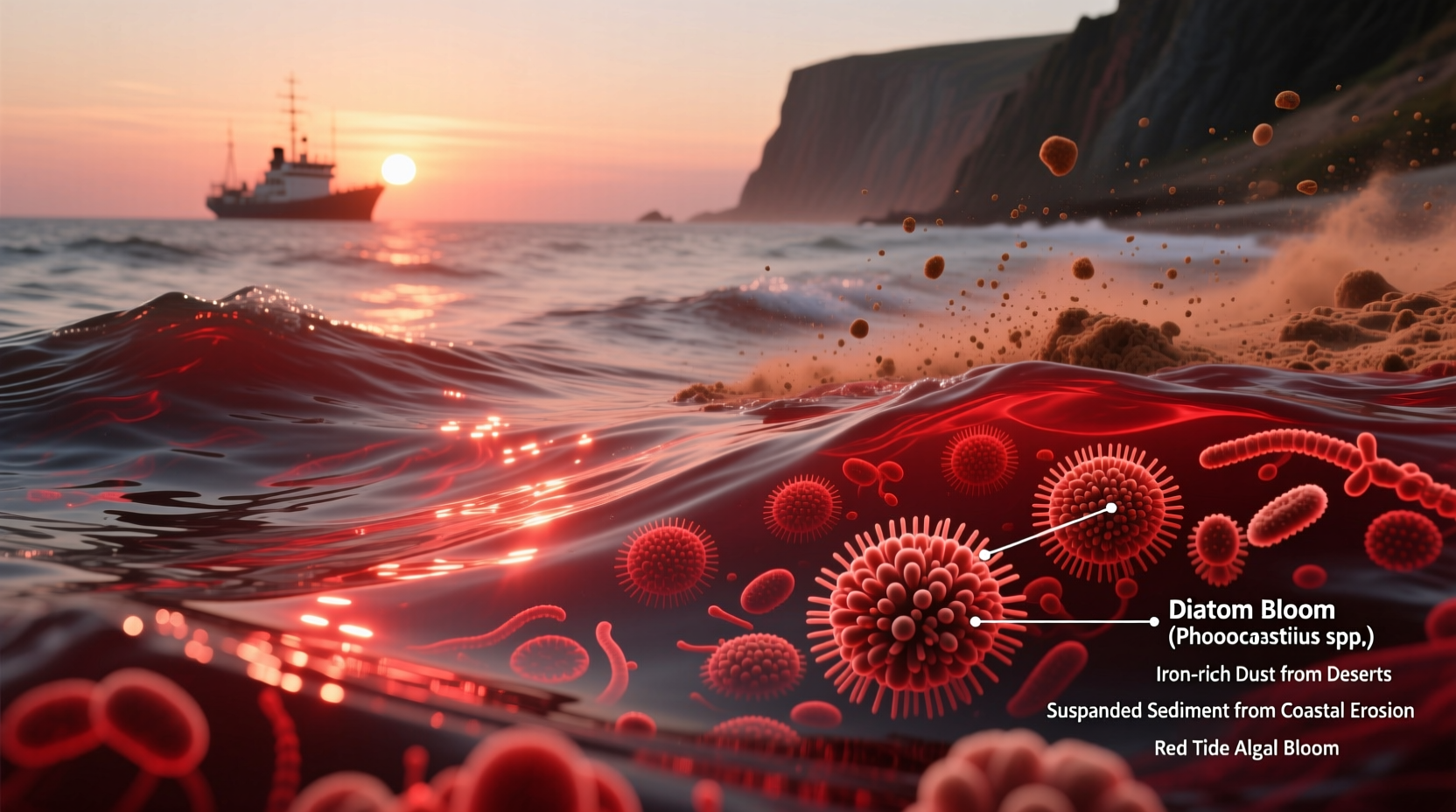
The primary cause of red seawater is the rapid proliferation of certain types of microalgae, particularly dinoflagellates. These single-celled organisms contain pigments such as phycoerythrin and carotenoids that give them a reddish-brown or rust-like color. When conditions are favorable—warm temperatures, abundant sunlight, and high nutrient levels—these algae reproduce explosively, forming dense concentrations visible from shore or even satellite imagery.
This process, commonly called a \"red tide,\" does not always result in red water; colors can range from green to brown or even purple depending on species and concentration. However, when large populations of red-pigmented algae dominate, they tint vast stretches of ocean surface, creating the illusion of blood-stained waters.
One well-known culprit is Karenia brevis, prevalent along Florida’s coast. It produces potent neurotoxins that affect marine life and humans, making some red tides not just visually striking but also biologically dangerous.
Natural vs. Human-Induced Causes
While algal blooms have occurred naturally for centuries, their frequency, intensity, and duration have increased dramatically due to human activity. Natural triggers include seasonal warming, upwelling of nutrient-rich deep water, and lunar cycles affecting tidal flow. However, anthropogenic factors now play a dominant role.
- Agricultural runoff – Fertilizers containing nitrogen and phosphorus wash into rivers and estuaries, fueling algal growth.
- Urban wastewater discharge – Untreated sewage introduces excess nutrients into coastal zones.
- Climate change – Rising sea temperatures expand the geographic range and growing season for many bloom-forming species.
- Ballast water transport – Ships inadvertently carry invasive algae species across oceans.
In regions like the Baltic Sea and parts of Southeast Asia, eutrophication—excessive nutrient enrichment—is directly linked to recurring red discolorations. In contrast, remote areas with minimal human impact may still experience occasional blooms driven purely by climatic shifts.
Other Possible Explanations for Red Seas
While algal blooms are the most common explanation, other phenomena can produce similar visual effects:
- Suspended Sediments: After heavy storms or floods, red desert dust or iron-rich soil can be carried offshore, turning water a murky red. This was observed during Saharan dust events affecting the Mediterranean.
- Iron Oxidation: In rare cases, underwater volcanic activity or hydrothermal vents release iron compounds that oxidize upon contact with oxygen, creating rust-colored plumes.
- Microbial Mats: Certain bacteria, such as purple sulfur bacteria, form dense layers in shallow, saline lagoons and can impart a reddish tint.
- Saline Lakes and Evaporites: High-salinity environments like Lake Natron in Tanzania host extremophiles that turn the water bright red—a phenomenon sometimes mistaken for oceanic events.
Distinguishing between these requires water sampling and spectral analysis, often conducted by marine research institutes during monitoring campaigns.
Expert Insight: What Scientists Are Saying
“Red tides are nature’s warning system. They reflect imbalances in our coastal ecosystems—often driven by how we manage land and water resources.” — Dr. Lina Chen, Marine Biologist at Scripps Institution of Oceanography
“We’re seeing more toxic blooms in new regions. Climate change isn’t just warming the planet—it’s rewriting the rules of marine ecology.” — Prof. Marcus Reed, Oceanographic Research Lead, University of Plymouth
Environmental and Health Impacts
Not all red waters are toxic, but when harmful species dominate, consequences can be severe:
| Impact Area | Effects |
|---|---|
| Marine Life | Fish kills due to oxygen depletion or direct toxin exposure; shellfish poisoning; coral stress |
| Human Health | Respiratory irritation from aerosolized toxins; food poisoning from contaminated seafood (e.g., NSP, PSP) |
| Economy | Closure of fisheries and aquaculture farms; loss of tourism revenue; increased public health costs |
| Water Quality | Reduced light penetration affects seagrass and coral reefs; long-term ecosystem degradation |
In 2023, a massive red tide event off Oman disrupted fishing communities and forced beach closures for weeks. Similarly, recurring blooms in the Gulf of Mexico cost the U.S. economy an estimated $82 million annually in lost tourism and fisheries.
Monitoring and Mitigation Strategies
Early detection is key to minimizing damage. Governments and research organizations use a combination of tools:
- Satellite remote sensing to detect chlorophyll anomalies
- Automated buoys measuring pH, temperature, and oxygen levels
- Regular water sampling and DNA-based identification of algal species
- Public alert systems via mobile apps and coastal signage
Preventive measures focus on reducing nutrient pollution at its source:
Checklist: How Communities Can Respond to Red Tides
- Monitor official advisories from environmental or health departments.
- Avoid consuming shellfish harvested from affected areas.
- Keep pets away from discolored water and dead marine animals.
- Report unusual water color or fish kills to local authorities.
- Reduce household nutrient output by using eco-friendly detergents and minimizing lawn fertilizers.
Mini Case Study: The 2024 Arabian Sea Bloom
In early 2024, satellite images revealed a vast red patch spanning over 100 kilometers along the coast of Karachi, Pakistan. Initial fears pointed to a toxic algal bloom, but field tests identified the cause as a combination of Noctiluca scintillans—a bioluminescent dinoflagellate—and suspended iron oxide particles from industrial outflow.
Local fishermen reported declining catch rates and respiratory issues among those working nearshore. Authorities responded by launching a joint task force involving marine scientists, environmental agencies, and port operators. Within six weeks, improved waste management protocols were implemented, and a public awareness campaign educated coastal residents about bloom risks.
The incident highlighted the need for integrated monitoring and cross-sector collaboration in rapidly urbanizing coastal zones.
Frequently Asked Questions
Is a red sea always dangerous?
No. Some red discolorations are caused by harmless algae or sediment and pose no threat. However, any sudden change in water color should be treated with caution until tested.
Can you swim in red tide water?
It’s not recommended. Even non-toxic blooms can cause skin irritation or allergic reactions. Toxic varieties may lead to coughing, wheezing, or gastrointestinal distress if ingested.
Does climate change make red tides worse?
Yes. Warmer ocean temperatures extend the growing season for many algae species, while extreme weather increases nutrient runoff. Studies show HABs are becoming more frequent, intense, and widespread due to global warming.
Conclusion: A Call for Awareness and Action
The red sea is not a myth—it’s a symptom. Whether triggered by nature or amplified by human actions, it signals deeper imbalances in our relationship with the oceans. Understanding the science behind this phenomenon empowers individuals, communities, and policymakers to respond wisely.
From choosing sustainable agricultural practices to supporting marine conservation efforts, every action counts. Stay informed, stay cautious near discolored waters, and advocate for cleaner coasts. The ocean’s color may change, but our responsibility to protect it remains constant.




 浙公网安备
33010002000092号
浙公网安备
33010002000092号 浙B2-20120091-4
Comments
No comments yet. Why don't you start the discussion?