
The film The Substance, released in 2024, has generated significant buzz—not just for its bold narrative and body horror elements, but also for its R rating from the Motion Picture Association (MPA). Directed by Coralie Fargeat and starring Demi Moore, Margaret Qualley, and Dennis Quaid, the movie explores themes of identity, aging, and self-image through a grotesque, satirical lens. Its graphic visuals and intense subject matter immediately raised questions: Why was it rated R instead of NC-17? What specific content triggered this classification? Understanding the reasoning behind the R rating requires a deep dive into the MPA’s guidelines, the nature of the film’s content, and the broader context of how ratings shape audience access and filmmaker choices.
Understanding the MPAA Rating System
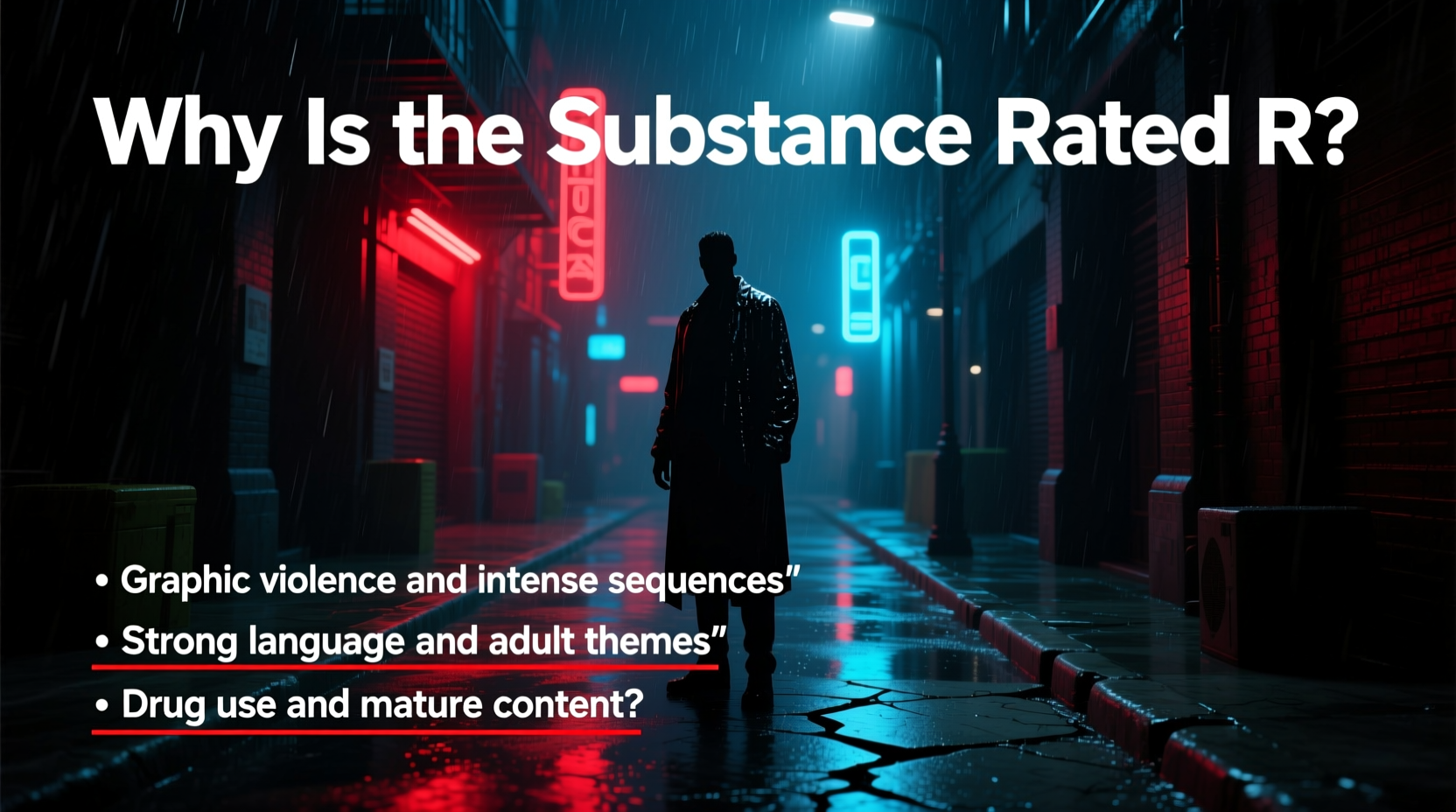
The Motion Picture Association (MPA) assigns film ratings to guide parents and audiences on the suitability of content. The most common ratings are G, PG, PG-13, R, and NC-17. An R rating—meaning “Restricted”—indicates that children under 17 require accompanying parent or adult guardian to view the film in theaters. This classification typically arises due to strong language, sexual content, violence, drug use, or mature thematic elements.
Unlike government censorship boards, the MPAA operates as a self-regulatory body. Its ratings board consists of anonymous parents who review films and assign ratings based on perceived impact on younger audiences. While the process is confidential, the MPA does release brief explanations for each rating. For The Substance, the official reason cited was: “strong bloody violence and gore, pervasive language, sexual content, and some drug use.” These categories collectively pushed the film into R territory—but not beyond.
“Ratings aren’t about morality; they’re about intensity and frequency of content. It’s not just *what* you show, but *how* you show it.” — David Luhr, Former MPAA Ratings Board Consultant
Content Breakdown: What Earned the R Rating?
The Substance is unflinching in its portrayal of bodily transformation, psychological unraveling, and visceral horror. Several key elements contributed directly to its R classification:
- Graphic Body Horror: The film features extensive practical and digital effects depicting skin peeling, organ displacement, and grotesque physical mutations. While disturbing, these sequences are framed within a metaphorical narrative about societal pressures on women’s appearances.
- Sexual Content: There are multiple scenes involving nudity and simulated sex, often used to emphasize vulnerability or objectification. The context is critical—the sexuality is not gratuitous but thematically integrated, which may have influenced the board to avoid an NC-17.
- Strong Language: Frequent use of profanity, including slurs and aggressive dialogue, reflects the characters’ deteriorating mental states.
- Drug Use: Depictions of steroid injections and substance dependency are central to the plot, shown with clinical detail but without glorification.
- Violence and Gore: One pivotal scene involves self-mutilation with extreme bloodletting. Though prolonged and explicit, the presentation remains stylized rather than exploitative.
R vs. NC-17: Why the Line Matters
An NC-17 rating—No One 17 and Under Admitted—is often commercially damaging. Many theater chains refuse to screen NC-17 films, major advertisers pull support, and retailers like Walmart won’t carry DVDs. For studios and independent distributors alike, avoiding NC-17 is a strategic priority.
So why didn’t The Substance cross into NC-17? The answer lies in tone, intent, and execution. According to industry insiders, the MPAA tends to penalize content perceived as erotic or sexually explicit above all else. Violence, even extreme, is often treated more leniently if it serves a story. In this case, the film’s grotesque imagery is clearly allegorical—critiquing beauty standards and ageism in Hollywood—rather than intended to titillate.
| Content Type | R Rating Threshold | NC-17 Trigger |
|---|---|---|
| Violence/Gore | Intense, frequent, but stylized | Realistic torture, excessive mutilation |
| Sexual Content | Brief nudity, implied acts | Explicit unsimulated sex, prolonged genital exposure |
| Language | Frequent use of \"f-word,\" slurs in context | Excessive repetition (over 10+ times) |
| Themes | Mature, complex issues explored | Glorying in degradation or abuse |
Filmmakers sometimes edit their work specifically to avoid NC-17. However, The Substance reportedly received its R rating without cuts—a rare achievement for a film of its intensity. This suggests the board recognized its artistic ambition and satirical edge.
A Real Example: How Filmmakers Navigate the System
In 2023, director Luca Guadagnino faced similar challenges with Bones and All, a romantic horror film featuring cannibalism. Despite graphic eating scenes, the film earned an R rating. According to producers, the key was framing violence within emotional relationships and love story dynamics. Similarly, Fargeat structured The Substance around a mother-daughter dynamic and personal decay, allowing the MPAA to interpret the horror as psychological rather than purely sensational.
This approach mirrors past successes like Requiem for a Dream (2000), which used extreme visuals to critique addiction. That film also received an R rating despite harrowing scenes, because the board acknowledged its cautionary message. Context shapes classification.
What Parents and Viewers Should Know
While an R rating legally restricts underage viewers in theaters, it doesn’t guarantee appropriateness for all adults. Viewer discretion is still essential. The Substance is particularly challenging due to its relentless tone and body-focused trauma. Those sensitive to depictions of self-harm, disfigurement, or identity loss should approach with caution—even if they fall within the target demographic.
“I walked out during the third act. I knew it was fiction, but it hit too close to my own struggles with body image.” — Viewer testimony shared on Letterboxd
For parents considering whether older teens can handle the film, here’s a quick checklist:
Viewer Readiness Checklist
- Has the viewer seen other R-rated horror or psychological thrillers?
- Are they comfortable with intense, surreal imagery?
- Do they understand satire and metaphor in film?
- Is there ongoing discussion about media literacy and emotional regulation?
- Have potential triggers (body dysmorphia, addiction, aging anxiety) been addressed?
Frequently Asked Questions
Can a film be appealed if it gets an NC-17 rating?
Yes. Studios can appeal the decision or submit a revised version. Most choose to edit content—shortening sex scenes, reducing gore, or muting language—to secure an R. Only a handful of films, like Showgirls (1995) and Shame (2011), retain their NC-17 rating upon release.
Does the R rating affect streaming availability?
No. On platforms like Peacock or Netflix, where The Substance will eventually appear, the R rating serves only as a content advisory. Age verification may be required, but there’s no enforcement equivalent to theatrical restrictions.
Was The Substance censored internationally?
In some markets, yes. The UK’s BBFC required minor trims to two gory sequences before issuing a 18 certificate. Japan and South Korea also imposed cuts, while France and Germany released the full version unaltered.
Final Thoughts: Art, Access, and Responsibility
The R rating for The Substance reflects a careful balance between creative freedom and audience protection. It allows the film to reach a wide audience while acknowledging its mature, unsettling content. More importantly, it underscores a growing trend: the MPAA’s increasing willingness to respect artistic intent when evaluating extreme material.
That said, the rating system remains imperfect. It offers little nuance between a violent action movie and a psychological horror piece, lumping both under “R” despite vastly different impacts. As filmmakers continue to push boundaries, the conversation around content classification must evolve—toward greater transparency, consistency, and viewer empowerment.




 浙公网安备
33010002000092号
浙公网安备
33010002000092号 浙B2-20120091-4
Comments
No comments yet. Why don't you start the discussion?