
Thrift shopping used to be synonymous with budget-friendly fashion—secondhand finds at unbeatable prices, hidden vintage gems, and sustainable style all in one. But over the past few years, many regular thrifters have noticed something unsettling: their favorite stores are charging more than ever. From $3 sweaters now priced at $15 to vintage denim selling for hundreds, the secondhand market has undergone a dramatic shift. So why is thrifting becoming so expensive lately? The answer lies in a complex mix of cultural trends, economic forces, and digital marketplaces that have transformed how we value used clothing.
The Rise of Resale Culture
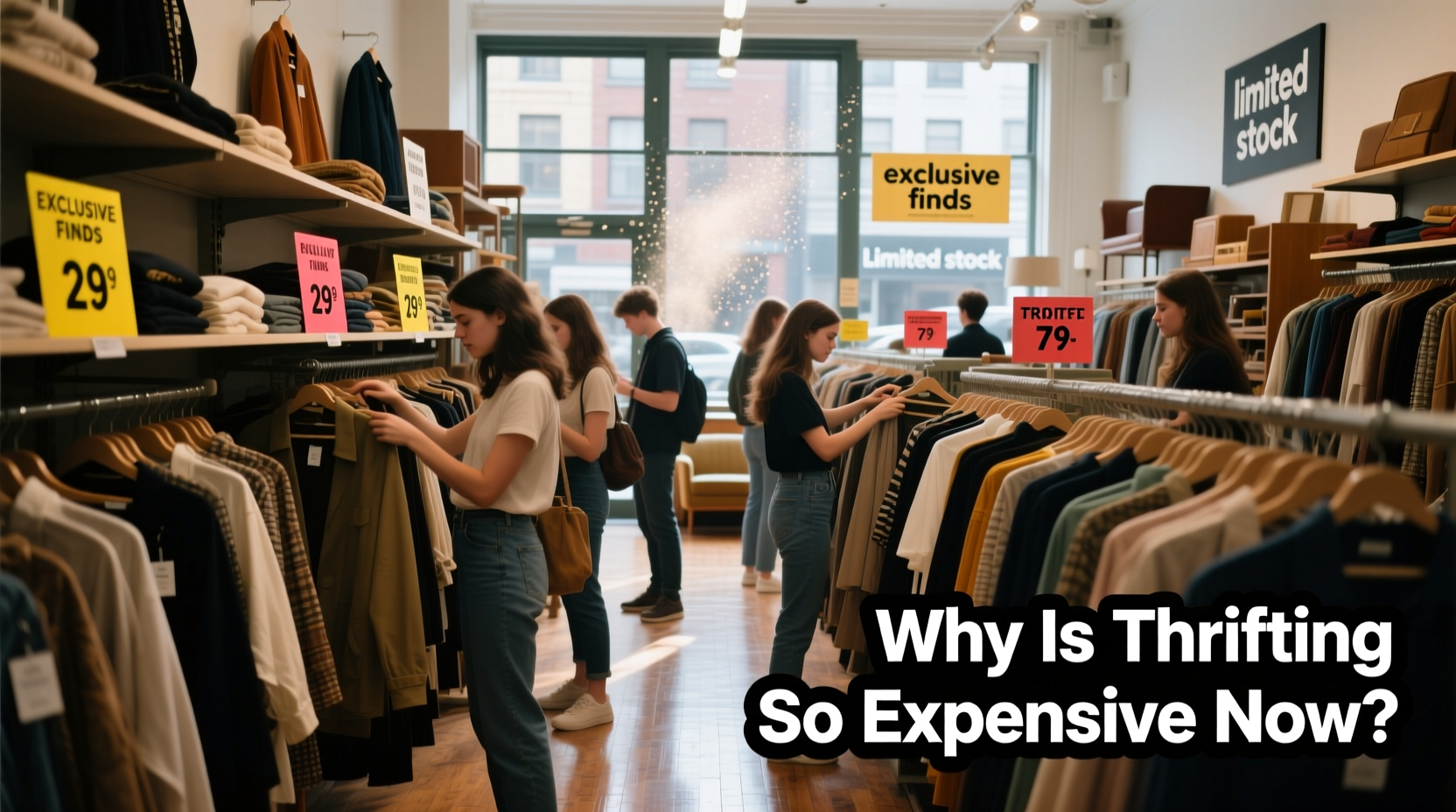
What was once a niche pursuit for bargain hunters and vintage enthusiasts has evolved into a mainstream retail movement. Platforms like Poshmark, Depop, ThredUp, and Grailed have turned secondhand shopping into a high-growth industry. In 2023, the global secondhand apparel market was valued at over $35 billion and is projected to double by 2027, according to GlobalData. This surge in demand has shifted the perception of thrifted items from “used” to “curated.”
Fashion influencers and celebrities now proudly showcase their thrifted outfits online, often tagging specific stores or brands. A viral TikTok video featuring a $5 vintage jacket can send foot traffic—and prices—soaring at local thrift shops overnight. As resale culture gains popularity, the supply-demand balance tilts, pushing up prices even in nonprofit-run stores.
“Secondhand is no longer just about saving money—it’s become a lifestyle choice tied to identity, aesthetics, and exclusivity.” — Dr. Lena Park, Cultural Economist at NYU
Fast Fashion’s Afterlife: Oversupply Meets Selective Demand
Ironically, the very problem fast fashion created—overproduction—is now fueling the rise in thrift prices. Billions of garments are discarded annually, flooding donation centers with low-quality, short-lived clothing. While this increases volume, it doesn’t necessarily improve quality. Thrift stores must sort through mountains of polyester blends and poorly constructed pieces, discarding up to 30% of donations due to damage or lack of resale potential.
At the same time, consumer preferences have sharpened. Shoppers aren’t looking for just any shirt—they want authentic vintage Levi’s, 90s band tees, or Y2K-era cargo pants. These items are finite. Unlike fast fashion, which endlessly reproduces styles, vintage pieces cannot be restocked. Scarcity drives value. A single well-preserved Tommy Hilfiger windbreaker from the early 2000s might sell for $80 online—not because it’s rare globally, but because it’s rare locally and highly desired.
This mismatch between oversupply of low-value items and scarcity of high-desirability ones creates pricing distortions. Stores raise prices across the board to offset losses from unsellable inventory, while selectively marking up trending pieces.
Digital Marketplaces and Price Arbitrage
The internet has democratized access to secondhand goods—but also intensified competition. Sellers on eBay, Etsy, and Depop research current retail values and set prices accordingly. Vintage band tees are priced based on concert memorabilia trends; designer handbags follow auction rates; even basic denim is benchmarked against new-in-store prices.
This practice, known as price arbitrage, means secondhand no longer means discounted. A pair of NWT (new-with-tags) Adidas Sambas found in a donation bin might originally retail for $85—but if they’re sold online for $120 due to hype, local thrift stores take note. Some organizations, including larger chains like Goodwill Industries, now use dynamic pricing software that scans online listings to adjust in-store tags automatically.
| Item Type | Average Thrift Store Price (2018) | Average Thrift Store Price (2024) | Primary Driver of Increase |
|---|---|---|---|
| Vintage Denim (1990s–2000s) | $12 | $45 | Social media demand, limited supply |
| Designer Blazer (Gucci, Prada, etc.) | $25 | $90+ | Online resale tracking |
| Basic Cotton T-Shirt | $3 | $8 | General inflation, sorting costs |
| Children's Winter Coat | $7 | $18 | Increased operational costs |
Nonprofit Pressures and Operational Costs
Many assume thrift stores are immune to economic pressures because they don’t pay for inventory. But operating a physical retail space isn’t free. Rent, utilities, insurance, employee wages, and transportation all contribute to overhead. Between 2020 and 2024, commercial rental prices rose by an average of 18% nationwide, and minimum wage increases in multiple states have raised labor costs significantly.
Additionally, not all donated clothes sell. Unsold inventory must be baled and sold to textile recyclers or exporters—often for pennies per pound. To maintain funding for community programs (such as job training or shelter services), nonprofits must maximize revenue from the items that do sell. That means higher markups on desirable goods.
Some organizations have adopted tiered pricing models: everyday basics at modest increases, but premium pricing on verified vintage or brand-name items. This strategy helps sustain operations without relying solely on volume.
Mini Case Study: The Portland Goodwill Surge
In early 2023, a viral Instagram post showcased a $120 price tag on a 1990s flannel shirt at a Portland Goodwill. Local news picked it up, sparking outrage. But internal data revealed context: the store had received over 12,000 pounds of donations weekly, yet only 20% were deemed resalable. Staff spent hours researching comparable sales on eBay and Depop before tagging high-potential items. The flannel, though seemingly ordinary, matched a rare colorway sought after by collectors. It sold within hours.
While outliers make headlines, they reflect a broader reality: thrift stores are adapting to survive in a competitive retail landscape. They’re no longer just charity bins—they’re curators competing with e-commerce algorithms.
Sustainability Paradox: When Eco-Friendly Gets Expensive
Thrifting gained traction as a sustainable alternative to fast fashion. But as environmental consciousness grows, so does the irony: eco-conscious consumers are now priced out of the very system meant to reduce waste. A low-income shopper searching for affordable winter coats may find racks dominated by overpriced vintage streetwear catering to trend-driven buyers.
This tension highlights a deeper issue: the commodification of sustainability. What began as a practical solution has become a stylistic trend, often disconnected from its original purpose. Thrift stores, caught between mission and margin, face difficult choices about who they serve.
Some communities have responded by launching “essential-only” thrift sections—dedicated areas with caps on pricing for coats, shoes, and work attire. Others partner with social service agencies to ensure vulnerable populations still benefit from donations.
How to Thrift Smartly in a High-Priced Market
Rising prices don’t mean thrifting is dead—they mean it requires smarter strategies. Here’s how to adapt:
- Shop off-peak days: New inventory typically arrives mid-week. Tuesdays and Wednesdays offer the best selection before crowds arrive.
- Target non-trendy categories: Focus on underwear, socks, home goods, or books—items less affected by resale hype.
- Build relationships with staff: Regular visits and friendly interactions can lead to heads-ups on incoming donations.
- Check discount racks daily: Many stores rotate markdowns every 24–48 hours. An unclaimed $25 jacket could be $10 the next day.
- Explore lesser-known locations: Suburban or rural branches often receive fewer trendy donations and less foot traffic, meaning lower prices.
Checklist: Maximize Value in Today’s Thrift Economy
- ✅ Visit stores early in the week
- ✅ Prioritize essential wear over statement pieces
- ✅ Inspect tags for fiber content—natural materials hold value better
- ✅ Bring measuring tape for accurate sizing (especially denim)
- ✅ Keep a list of your target items to avoid impulse buys
- ✅ Track online resale prices to judge fairness
Frequently Asked Questions
Is thrifting still worth it if prices are going up?
Absolutely. Even with increased pricing, most thrifted items remain cheaper than their new equivalents. A $40 vintage leather jacket is still far below the $300+ cost of a new one. Plus, you’re avoiding supporting fast fashion production cycles. The key is being selective and strategic.
Are thrift stores intentionally raising prices to profit more?
Most nonprofit thrift stores aren’t trying to maximize profit—they’re trying to cover rising costs and fund social programs. While some pricing reflects market demand, much of the increase goes toward staying operational. For-profit resale boutiques may charge more aggressively, but traditional thrift stores operate under tight margins.
Can I negotiate prices at thrift stores?
Generally, no—especially in chain stores with standardized systems. However, some independent or volunteer-run shops may offer flexibility, particularly on damaged or long-unsold items. Always ask politely, and never expect discounts unless clearly advertised.
Conclusion: Rethinking Value in the Secondhand Economy
The rising cost of thrifting isn’t a sign that the model is broken—it’s evidence that it’s changing. What was once a transactional experience (“find cheap clothes”) has evolved into a cultural and economic ecosystem shaped by digital influence, sustainability ideals, and retail innovation. Prices reflect not just scarcity and demand, but also the true cost of handling, sorting, and sustaining charitable missions in an inflationary world.
As consumers, we can respond by becoming more intentional. Thrifting doesn’t have to mean paying inflated prices for trendy vintage. It can mean supporting local communities, reducing waste, and building a wardrobe rooted in longevity rather than novelty. By focusing on need over hype, timing our visits wisely, and advocating for equitable access, we preserve the soul of secondhand shopping—even as the price tags climb.




 浙公网安备
33010002000092号
浙公网安备
33010002000092号 浙B2-20120091-4
Comments
No comments yet. Why don't you start the discussion?