
Tire rotation is one of the most overlooked yet essential maintenance tasks for vehicle owners. Despite its simplicity, many drivers delay or skip this service, not realizing the long-term consequences on safety, performance, and cost. Regularly rotating your tires ensures even tread wear, extends tire lifespan, improves fuel efficiency, and enhances overall driving stability. Understanding the importance, benefits, and proper method of tire rotation empowers you to protect your investment and maintain optimal vehicle performance.
Why Tire Rotation Matters
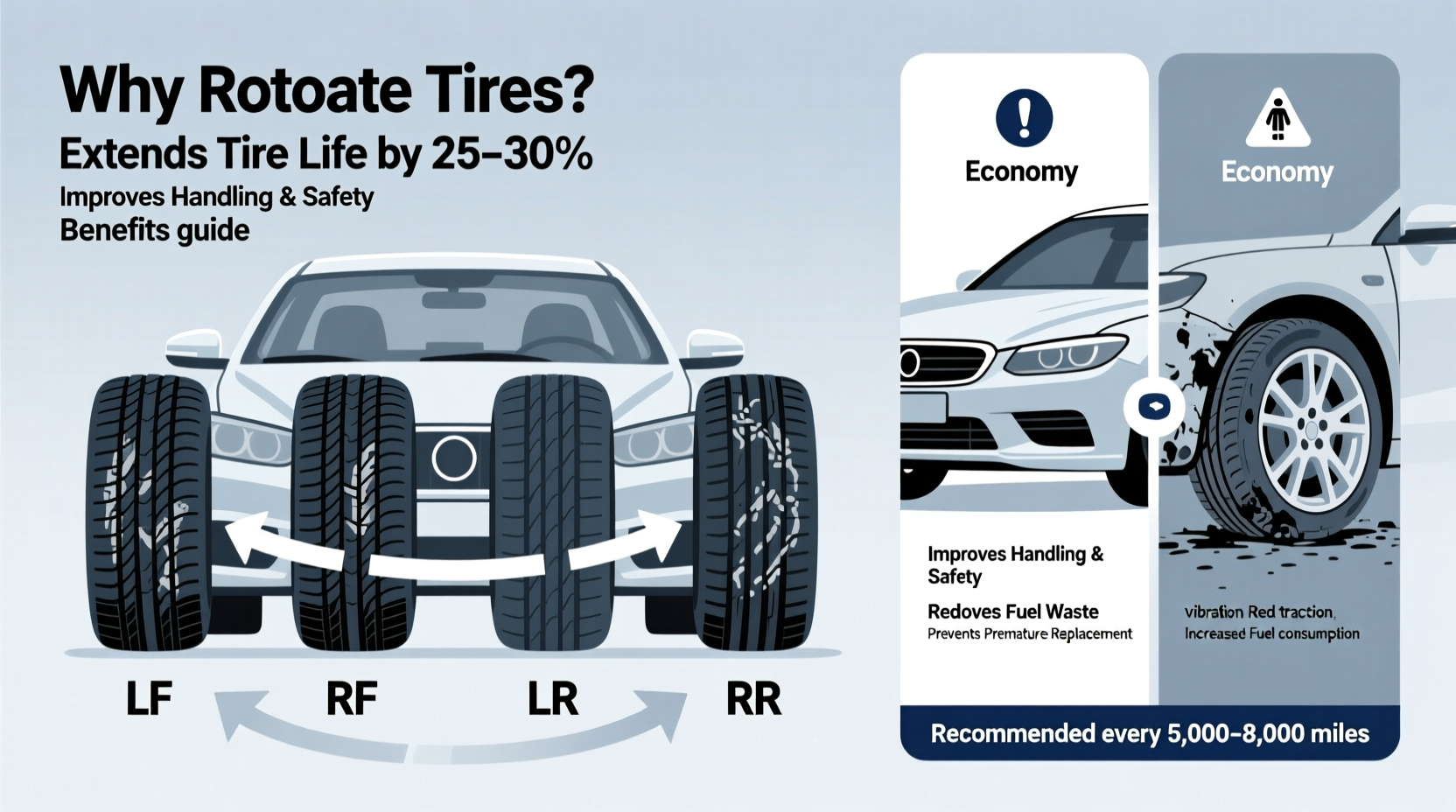
Tires do not wear evenly due to differences in weight distribution and drive systems. Front tires on front-wheel-drive vehicles, for example, bear the brunt of acceleration, steering, and most braking forces, causing them to wear faster than rear tires. In rear-wheel-drive cars, the rear tires experience more stress during acceleration, while all-wheel-drive systems distribute power across all four wheels but still create uneven wear patterns over time.
Without rotation, some tires may become dangerously worn while others remain relatively intact. This imbalance affects handling, increases stopping distances, and raises the risk of blowouts—especially at high speeds. The National Highway Traffic Safety Administration (NHTSA) estimates that underinflated or poorly maintained tires contribute to over 11,000 crashes annually in the U.S. Rotating tires every 5,000 to 7,500 miles helps prevent these issues by distributing wear more evenly.
“Tire rotation isn’t just about longevity—it’s a critical safety practice that maintains predictable vehicle behavior.” — Mark Reynolds, ASE-Certified Master Technician
Key Benefits of Regular Tire Rotation
- Extended Tire Lifespan: Even tread wear means tires last longer, delaying costly replacements.
- Better Fuel Efficiency: Balanced rolling resistance reduces engine strain and improves gas mileage.
- Improved Handling and Traction: Uniform tread depth across all tires enhances grip, especially in wet or icy conditions.
- Smaller Risk of Blowouts: Excessive wear weakens tire structure; rotation prevents premature failure.
- Consistent Performance: Vehicles respond more predictably when all tires wear uniformly.
- Maintains Warranty Eligibility: Many tire manufacturers require documented rotation schedules to honor warranties.
Tire Rotation Patterns: Matching Your Vehicle Type
The correct rotation pattern depends on your vehicle’s drivetrain, tire type, and whether your tires are directional or staggered in size. Using the wrong pattern can lead to uneven wear or damage.
| Vehicle Type | Tire Type | Recommended Pattern |
|---|---|---|
| Front-Wheel Drive (FWD) | Non-directional, same size | Rear tires move straight forward; front tires cross to opposite rear positions |
| Rear-Wheel Drive (RWD) | Non-directional, same size | Front tires move straight back; rear tires cross to opposite front positions |
| All-Wheel Drive (AWD/4WD) | Non-directional, same size | Use an X-pattern: each tire moves diagonally to the opposite corner |
| Any Drivetrain | Directional tires | Rotate only front-to-back on the same side (left front to left rear, etc.) |
| Sports Cars / Performance Vehicles | Staggered (different sizes front/rear) | Not typically rotated unless specified by manufacturer |
When Not to Rotate Tires
If your tires are severely worn, damaged, or show signs of alignment issues (e.g., feathering, cupping), rotation alone won’t fix the problem. Address underlying mechanical issues first. Also, never rotate bald or cracked tires—replace them immediately.
Step-by-Step Guide to Rotating Your Tires
You can rotate your tires at home with basic tools or have it done professionally. Here’s how to do it safely and correctly:
- Park on a flat surface and engage the parking brake. Turn off the engine and block the wheels to prevent rolling.
- Loosen lug nuts slightly on all four wheels before lifting the car. Use a breaker bar if necessary.
- Lift the vehicle using a floor jack at the manufacturer’s designated lift points. Place jack stands under the frame for safety.
- Remove all four tires and inspect each one for tread depth, cracks, bulges, or embedded debris.
- Follow the correct rotation pattern based on your vehicle type (refer to the table above).
- Reinstall tires onto the correct hubs, hand-tightening lug nuts in a star pattern to ensure even pressure.
- Lower the vehicle and fully tighten the lug nuts with a torque wrench to the manufacturer’s specification (usually 80–100 ft-lbs).
- Check tire pressure and adjust as needed. Reset the TPMS (Tire Pressure Monitoring System) if required.
- Mark the date and mileage on your maintenance log to track the next rotation.
Real-World Example: How Rotation Prevented Costly Repairs
Consider Sarah, a delivery driver who logs over 20,000 miles per year. After skipping tire rotations for two years, she noticed her car pulling to one side and increased road noise. A mechanic found that her front tires had less than 2/32” of tread remaining—below the legal limit—while the rears still had ample rubber. Because the wear was so uneven, she couldn’t replace just two tires without risking drivetrain damage on her AWD SUV. She ended up replacing all four tires at once, costing $800 instead of spreading replacements over time. Had she rotated every 6,000 miles, she could have extended the set’s life by another 15,000 miles and saved hundreds.
Frequently Asked Questions
How often should I rotate my tires?
Most manufacturers recommend rotating tires every 5,000 to 7,500 miles. If you drive aggressively, carry heavy loads, or frequently travel on rough roads, consider rotating every 5,000 miles. Always follow your vehicle’s owner manual for precise guidance.
Can I rotate tires myself?
Yes, if you have the right tools—a jack, jack stands, lug wrench, torque wrench, and basic mechanical knowledge—you can rotate tires safely at home. However, if you're unsure, professional service ensures accuracy and includes additional checks like tire pressure and alignment indicators.
Does tire rotation affect alignment?
No, rotation does not impact wheel alignment. However, rotating tires can reveal existing alignment problems through new or changing wear patterns. If you notice rapid wear after a rotation, have your alignment checked promptly.
Final Checklist: Tire Rotation Best Practices
- ✅ Rotate every 5,000–7,500 miles
- ✅ Use the correct pattern for your drivetrain and tire type
- ✅ Inspect tires for damage, pressure, and tread depth during rotation
- ✅ Torque lug nuts properly
- ✅ Keep a maintenance log with dates and mileage
- ✅ Replace tires in pairs (or all four on AWD/4WD vehicles) when needed
- ✅ Align wheels if uneven wear persists after rotation
Take Action Today for Safer, Smarter Driving
Tire rotation is a small task with outsized benefits. It protects your safety, saves money, and keeps your vehicle running smoothly. Whether you handle it yourself or schedule it with a trusted shop, make tire rotation a non-negotiable part of your maintenance routine. Your future self—and your wallet—will thank you the next time you avoid a roadside emergency or extend your tire set by tens of thousands of miles.




 浙公网安备
33010002000092号
浙公网安备
33010002000092号 浙B2-20120091-4
Comments
No comments yet. Why don't you start the discussion?