
Voss Artesian Water has become synonymous with luxury hydration. Found in high-end hotels, Michelin-starred restaurants, and celebrity dressing rooms, it’s more than just bottled water—it’s a lifestyle symbol. But at nearly ten times the cost of regular bottled water, many consumers ask: why is Voss so expensive? The answer lies not in a single factor, but in a carefully orchestrated blend of sourcing, design, marketing, and exclusivity that transforms H₂O into a premium product.
The Origins: Purity and Exclusivity of Source
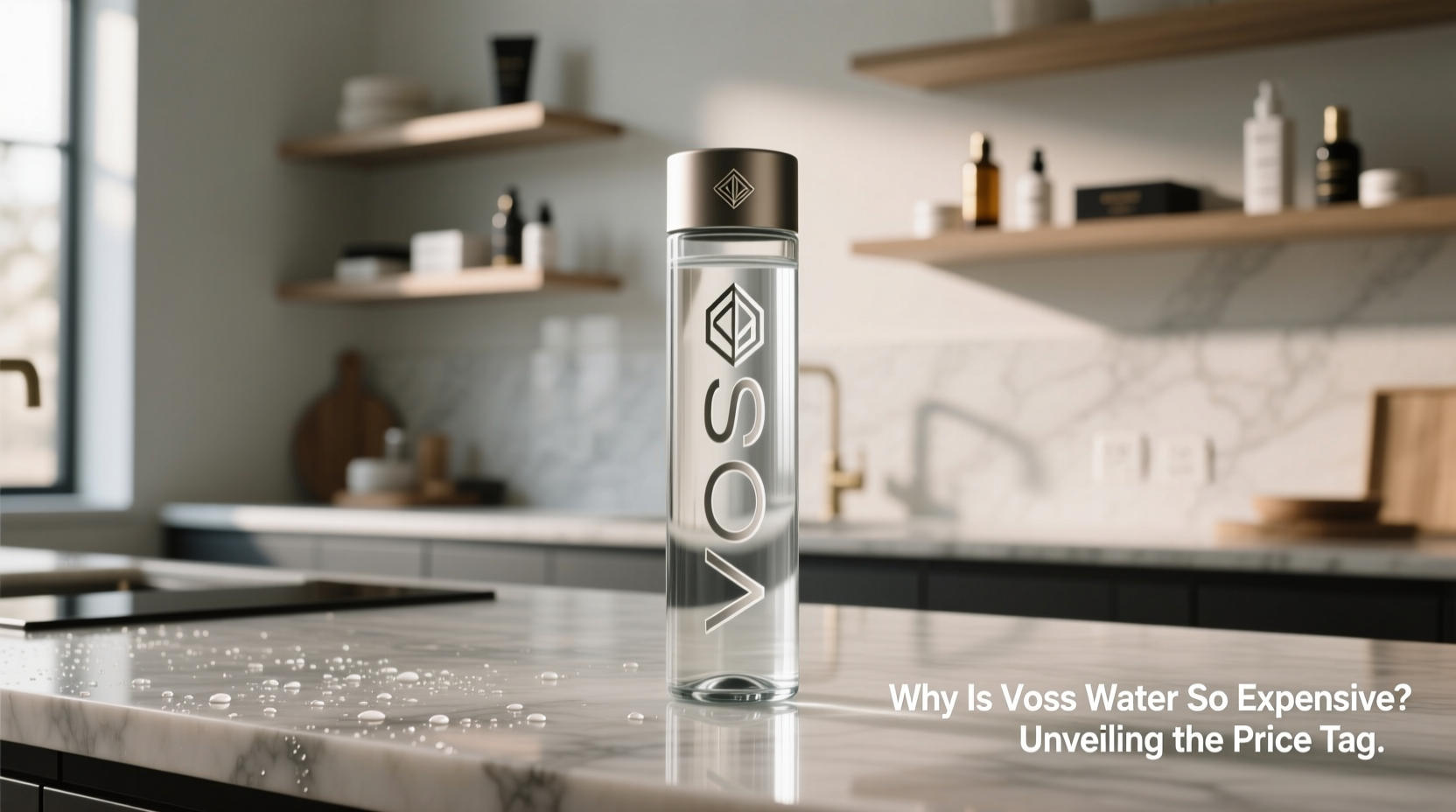
Voss water originates from an artesian well in Iveland, a remote municipality in southern Norway. This location is central to its brand narrative. The water is drawn from deep underground aquifers, protected by layers of glacial sand and sediment, which naturally filter impurities. Because the source is isolated and untouched by industrial activity, the water emerges with minimal mineral content and a neutral pH—qualities marketed as “pure” and “pristine.”
Unlike municipal tap water or even other bottled brands that use municipal sources, Voss emphasizes its untouched origin. The company claims the water is protected from surface contaminants and human pollution due to its depth and geographic seclusion. This sense of rarity adds intrinsic value. As environmental scientist Dr. Lena Halvorsen explains:
“Remote sourcing in ecologically preserved regions gives Voss a legitimate edge in water quality. But equally important is the perception of purity, which they’ve masterfully cultivated.” — Dr. Lena Halvorsen, Environmental Hydrologist
The Norwegian government tightly regulates access to natural resources, making new bottling ventures difficult. This scarcity reinforces Voss’s exclusivity—not just anyone can replicate its source.
Bottle Design: Form Meets Function (and Marketing)
One of the most instantly recognizable aspects of Voss is its cylindrical, minimalist bottle. Designed to resemble a laboratory vial, the sleek, clear container stands out on shelves and in photos. It’s often displayed upright in refrigerated luxury displays, looking more like a designer perfume than a beverage.
The design isn’t just aesthetic—it’s strategic. The absence of labels (until recently) and the symmetrical shape communicate simplicity, science, and sophistication. In high-end dining, the bottle becomes part of the table setting, enhancing ambiance. According to packaging expert Marcus Tran:
“The Voss bottle disrupted the market because it didn’t look like water. It looked like art. That visual distinction allows them to charge a premium without relying solely on taste.” — Marcus Tran, Packaging Innovation Consultant
Marketing and Brand Positioning: Selling an Experience
Voss doesn’t sell hydration; it sells aspiration. From its inception in 1998, the brand positioned itself as elite. Early advertising campaigns featured supermodels like Kate Moss and Karlie Kloss in stark, icy environments—reinforcing the idea of cold, clean, Scandinavian perfection. These visuals were less about the water and more about the lifestyle it represents: refined, exclusive, and effortlessly cool.
The brand strategically placed bottles in celebrity green rooms, VIP lounges, and fashion events. Being seen with Voss became a subtle status signal. It wasn’t just what you drank—it was what others assumed about you for choosing it.
This approach mirrors luxury fashion: limited availability, high visibility among influencers, and emotional appeal over practicality. A bottle of Voss costs more not because it hydrates better, but because it makes you feel like part of an exclusive world.
Production and Distribution: Cost of Control
Voss maintains tight control over its production chain, which contributes to its high price. Bottling occurs near the source in Norway, minimizing contamination risk and preserving brand authenticity. However, this means every bottle must be shipped internationally—often thousands of miles—to reach markets in the U.S., Asia, and the Middle East.
Shipping glass bottles across continents is energy-intensive and costly. Glass is heavier than plastic, increasing fuel consumption and carbon footprint. Yet Voss avoids plastic for its premium line, citing both aesthetic and environmental concerns (though this remains debated).
To offset criticism, Voss introduced a lighter glass version and expanded into recyclable PET bottles for certain markets. Still, transportation and import duties significantly inflate the final retail price.
| Factor | Impact on Price |
|---|---|
| Remote Sourcing | Higher infrastructure and access costs |
| Glass Bottle Production | More expensive than plastic; fragile logistics |
| International Shipping | Fuel, tariffs, and handling add $1–$2 per bottle |
| Limited Batch Runs | No economies of scale; lower volume = higher unit cost |
| Premium Retail Placement | Distributors charge markup for visibility in luxury venues |
Is It Worth the Price? A Real-World Comparison
To understand whether Voss delivers value, consider a mini case study involving two restaurants: one casual bistro and one upscale fine-dining establishment.
In Oslo, a mid-tier restaurant serves still water in reusable carafes filtered locally. Their guests report satisfaction with taste and freshness. Meanwhile, a five-star hotel nearby offers Voss at €12 per bottle. Despite identical local tap water quality, guests consistently choose Voss, citing trust in its purity and alignment with the luxurious experience.
This illustrates a key insight: perceived value often outweighs objective quality in premium markets. For some consumers, paying more isn’t irrational—it’s intentional. They’re not just buying water; they’re buying confidence, aesthetics, and social signaling.
Checklist: What You’re Really Paying For in Premium Water
- ✅ Unique, protected water source with low mineral content
- ✅ Distinctive, high-design packaging
- ✅ Association with luxury, wellness, and celebrity culture
- ✅ Strategic placement in elite venues (hotels, spas, events)
- ✅ Limited availability that enhances exclusivity
- ✅ Marketing investment that builds brand prestige
Environmental and Ethical Considerations
While Voss promotes sustainability, critics point to contradictions. Transporting heavy glass bottles globally generates significant emissions. Though the company supports water conservation initiatives and uses recyclable materials, its carbon footprint per liter is substantially higher than locally sourced alternatives.
In response, Voss has committed to carbon-neutral operations by 2025 and increased use of recycled glass. Still, eco-conscious consumers may question whether any bottled water justifies such environmental costs when tap water meets safety standards in most developed countries.
Frequently Asked Questions
Does Voss water taste different from regular bottled water?
Objectively, taste tests show minimal difference. Voss has a soft, neutral profile due to low mineralization, which some describe as “clean” or “light.” However, blind tastings often fail to distinguish it from other purified or spring waters. Preference is largely influenced by branding and expectation.
Can I find cheaper alternatives with similar quality?
Absolutely. Brands like Absopure, Icelandic Glacial, and even high-end supermarket labels source from protected aquifers and undergo rigorous filtration. Some offer comparable purity at half the price. The key is checking the source and processing methods rather than relying on packaging alone.
Why do hotels and restaurants charge so much for Voss?
Hospitality venues mark up premium beverages to enhance profit margins and reinforce their upscale image. A bottle of Voss may cost the venue $2–$3 but sells for $8–$15. Its presence signals attention to detail and caters to guests who equate brand with quality.
Conclusion: Value Beyond the H₂O
The high price of Voss water isn’t arbitrary—it’s engineered. From its remote Norwegian source to its iconic bottle and celebrity-backed image, every element is designed to command a premium. Consumers aren’t just paying for hydration; they’re investing in a narrative of purity, elegance, and exclusivity.
Whether it’s “worth it” depends on your priorities. If you value design, brand trust, and the psychological boost of a luxury product, Voss delivers. If you prioritize function and sustainability, local filtered water may serve you just as well—for a fraction of the cost and environmental impact.




 浙公网安备
33010002000092号
浙公网安备
33010002000092号 浙B2-20120091-4
Comments
No comments yet. Why don't you start the discussion?