
Voting is more than a civic duty—it’s the foundation of democratic governance. In societies where citizens can choose their leaders and influence policy through ballots, power rests not with monarchs or dictators, but with the people. Yet voter turnout in many democracies remains inconsistent, often dipping below 60% in national elections. This raises a critical question: Why is voting important? The answer lies in its direct impact on representation, accountability, social equity, and long-term national direction. When individuals abstain from voting, they surrender their voice in decisions that affect healthcare, education, infrastructure, civil rights, and economic policy.
The Role of Voting in Democracy
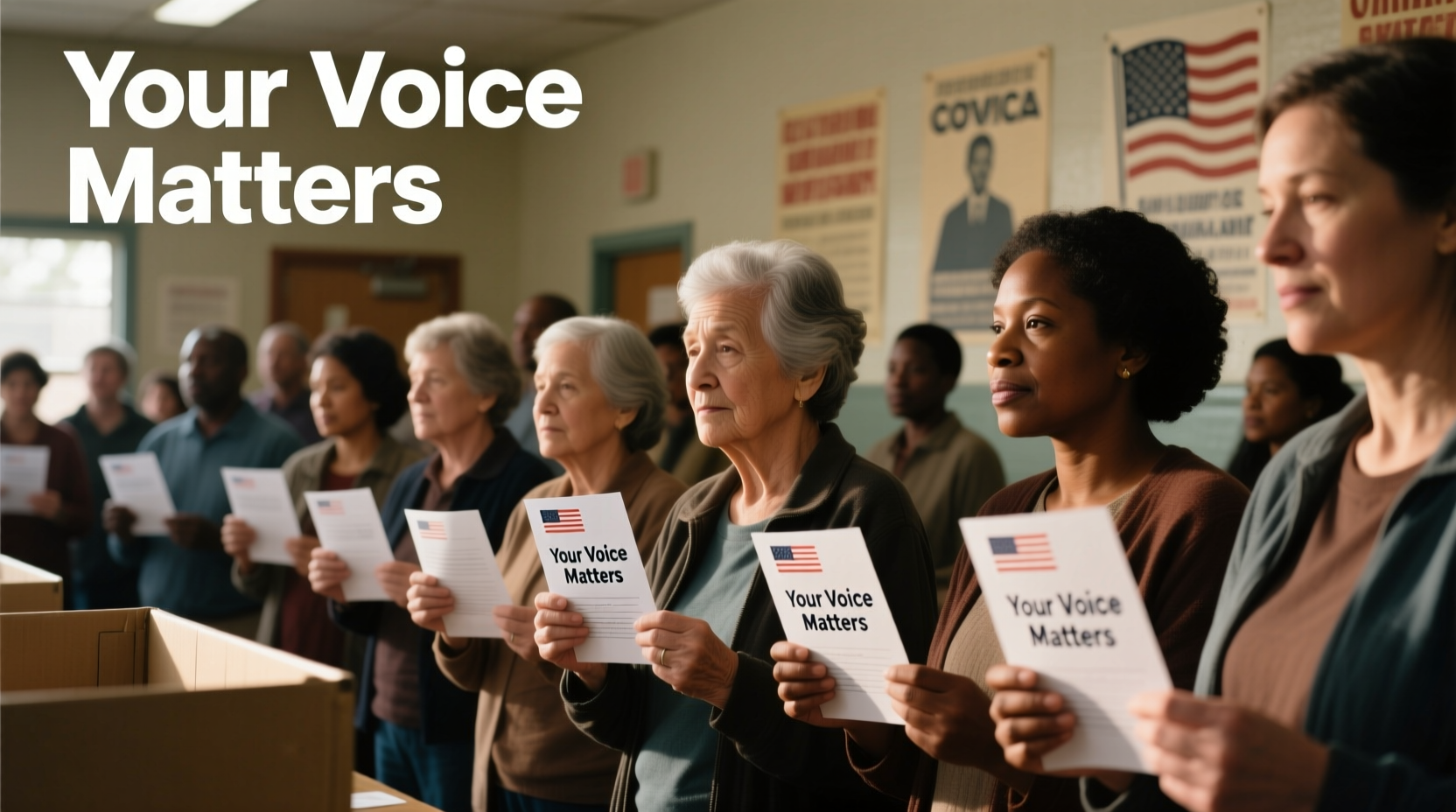
At its core, democracy means “rule by the people.” Without participation, it becomes merely a structure without substance. Voting transforms abstract democratic ideals into tangible outcomes. Elected officials derive their legitimacy from the consent of the governed, expressed primarily through elections. When large segments of the population refrain from voting, elected leaders may not accurately reflect the will of the majority, leading to policies that serve narrow interests rather than the common good.
Historically, the right to vote was hard-won. Movements for universal suffrage—by women, racial minorities, and working-class citizens—spanned decades and involved protests, legal battles, and even sacrifices of life. Recognizing this legacy underscores the moral weight of casting a ballot. As political scientist Dr. Lena Matthews observes:
“Every vote cast is a quiet affirmation of the struggles endured to make democracy inclusive. To vote is not just to choose a candidate—it’s to honor history and uphold justice.” — Dr. Lena Matthews, Political Historian
How Voting Shapes Policy and Representation
Elections determine who holds office, but they also signal public priorities. Politicians respond to voters—not non-voters. When certain demographics consistently participate, their concerns gain visibility. For example, higher youth turnout has been linked to increased funding for student loans and climate initiatives. Conversely, low participation among renters or low-income communities often results in less investment in affordable housing or public transportation.
Voting influences policy across multiple levels:
- Local government: School boards, city councils, and sheriffs are elected locally. These positions directly affect daily life—from trash collection to policing standards.
- State legislature: State lawmakers decide on tax rates, environmental regulations, and voting laws themselves.
- National leadership: Presidential and congressional elections shape foreign policy, healthcare access, and federal budgets.
The Ripple Effect of One Vote
Many believe a single vote cannot change an election. But history proves otherwise. In 2000, the U.S. presidential election was decided by fewer than 600 votes in Florida. Local races are even more susceptible to narrow margins. In 2017, a Virginia House of Delegates race ended in a tie—literally settled by drawing a name from a bowl. These examples highlight how individual participation can tip the balance.
Beyond close races, consistent voting builds momentum. When voter turnout increases in a community, it attracts greater attention from policymakers, media, and advocacy groups. Over time, active electorates see better responsiveness and service delivery.
Mini Case Study: The Power of Community Mobilization
In 2018, St. Louis, Missouri, saw a dramatic shift during a local school board election. For years, the board had underperformed, with chronic absenteeism and declining test scores. Voter turnout hovered around 8%. That year, a grassroots coalition—comprising parents, teachers, and faith leaders—launched a door-to-door campaign emphasizing the link between voting and school quality.
They hosted registration drives, provided childcare during voting hours, and used social media to explain candidates’ platforms. Turnout surged to 23%, and three reform-minded candidates won seats. Within two years, the district implemented new literacy programs, reduced class sizes, and secured additional state funding. This real-world example demonstrates that when people vote with purpose, institutions respond.
Barriers to Voting and How to Overcome Them
Despite its importance, many face obstacles to voting: lack of information, restrictive ID laws, work schedules, disability access, or misinformation. Addressing these challenges requires both systemic reform and personal initiative.
| Barrier | Solution |
|---|---|
| Lack of registration | Register online or at DMV; check status via official election websites |
| Work conflicts | Request time off; use early or mail-in voting options |
| Confusion about candidates | Use nonpartisan voter guides (e.g., Ballotpedia, League of Women Voters) |
| Disability access | Request accessible polling places or absentee ballots |
| Misinformation | Verify information through official election sites or trusted news outlets |
Checklist: Prepare to Vote Confidently
- Confirm your voter registration status online.
- Learn your polling location and hours—or apply for a mail-in ballot.
- Research candidates and ballot measures using nonpartisan resources.
- Bring required identification (if applicable).
- Vote early if possible to avoid lines.
- Encourage at least one friend or family member to vote with you.
Voting as a Tool for Equity and Social Change
Voting is especially crucial for marginalized communities. Laws affecting reproductive rights, immigration, criminal justice, and LGBTQ+ protections are routinely decided at the ballot box. When affected groups participate, they help shape a fairer society. For instance, states with higher Black voter turnout have been more likely to expand Medicaid under the Affordable Care Act.
Moreover, voting can disrupt cycles of disenfranchisement. Policies such as felony disenfranchisement laws have historically suppressed certain populations. But recent reforms in states like Florida and Colorado—driven by public pressure and ballot initiatives—have restored voting rights to thousands. These changes were made possible because people voted to change the rules.
Step-by-Step Guide: How to Make Your Vote Count
- Know the deadlines: Registration and ballot submission dates vary by state.
- Gather information: Attend candidate forums or read summaries from neutral sources.
- Plan your method: Decide whether to vote in person, early, or by mail.
- Prepare your ballot: Mark your choices in advance if allowed, or bring a sample ballot.
- Cast your vote: Follow instructions carefully to ensure your ballot is counted.
- Follow up: Confirm your vote was received (especially for mail ballots).
- Stay engaged: Continue monitoring elected officials’ actions after the election.
Frequently Asked Questions
Does my vote really matter if I live in a \"safe\" district?
Yes. Even in districts dominated by one party, primary elections often determine the final outcome. Additionally, local races and ballot initiatives are frequently competitive regardless of national trends. Your vote helps shape party platforms and future candidacies.
Can I vote if I have a criminal record?
It depends on your state. Some states restore voting rights automatically after release from prison; others require completion of parole or petitioning the court. Check your state’s current laws through organizations like the ACLU or Brennan Center for Justice.
What if I make a mistake on my ballot?
Most jurisdictions allow you to correct errors before submitting. At polling places, ask an election worker for a replacement ballot. With mail ballots, contact your local election office immediately—they may let you void and resubmit.
Conclusion: Your Voice, Your Responsibility
Voting is not a guarantee of perfect outcomes, but it is the most effective tool citizens have to steer their communities toward justice, opportunity, and accountability. It connects individual beliefs with collective action. It honors past struggles and shapes future possibilities. Whether you're passionate about climate policy, education reform, economic fairness, or public safety, your vote is the first step in turning concern into change.
Democracy doesn’t function on autopilot. It requires vigilance, knowledge, and participation. Don’t wait for someone else to act. Register, educate yourself, and vote—not just in presidential years, but in every election. Because when more voices are heard, better decisions emerge. And that’s why voting matters.




 浙公网安备
33010002000092号
浙公网安备
33010002000092号 浙B2-20120091-4
Comments
No comments yet. Why don't you start the discussion?