
Releasing a phone from a subscription plan should be straightforward—once the contract ends or the device is paid off, the carrier unlocks it, allowing use on other networks. But many users find themselves asking: why isn’t my subscription release phone working? Despite following all steps, the phone fails to activate on a new carrier, shows error messages, or doesn’t recognize the new SIM. This article breaks down the most frequent causes and provides clear solutions to get your device functioning as intended.
Understanding Subscription Release vs. Factory Unlock
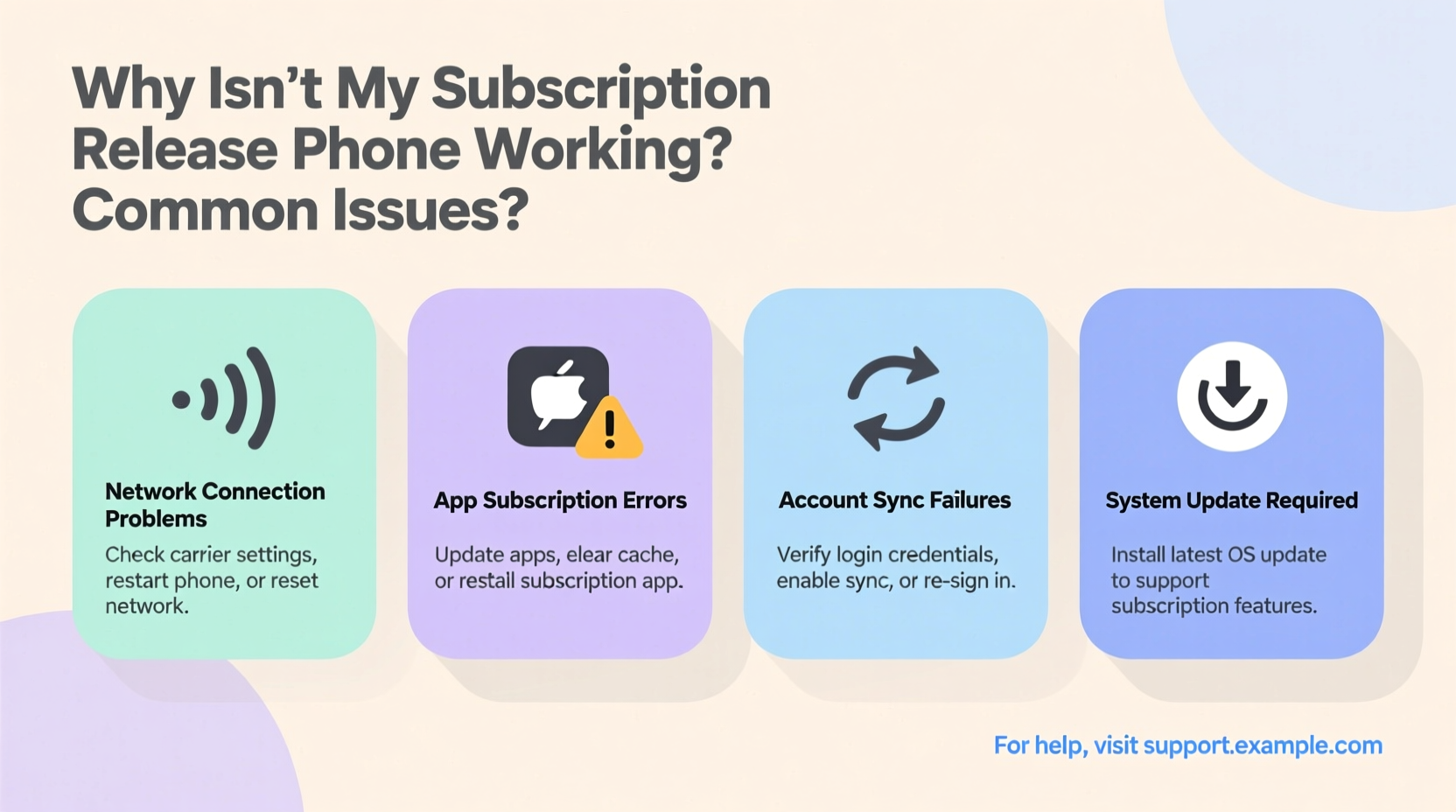
A “subscription release” refers to a carrier removing network restrictions from a phone once specific eligibility criteria are met—typically the end of a contract, full payment of the device, or fulfillment of early upgrade terms. This differs from a factory unlock, which is often associated with international models or phones purchased outside carrier agreements.
When a phone is properly released, it should accept SIM cards from any compatible carrier. However, technical, procedural, or administrative issues can interfere with this process. The confusion often arises when users assume the phone is unlocked after receiving confirmation, only to face activation failures later.
“Many customers believe their phone is free to use anywhere the moment they pay it off. In reality, unlocking requires an explicit request and backend processing by the carrier.” — Jamal Reeves, Wireless Network Consultant
Common Reasons Your Released Phone Isn’t Working
Several factors can prevent a successfully released phone from functioning on a new network. Below are the most prevalent issues:
1. Carrier Lock Still Active
Even after meeting eligibility requirements, carriers don’t automatically unlock devices. You must formally request the unlock through customer service or an online portal. Without this step, the lock remains active regardless of payment status.
2. Improper IMEI Submission or Processing Errors
Some carriers require you to submit the phone’s IMEI number during the unlock request. Typos, incorrect formatting, or system glitches may result in the wrong device being flagged for release—or none at all.
3. Delayed Backend Syncing
Unlocking a phone involves updating central databases like the GSMA’s Device Freedom Registry. These updates can take up to 72 hours. Attempting to use the phone before syncing completes leads to false negatives.
4. Incompatible Network Technology
Not all phones support every carrier’s network bands. For example, a phone originally designed for AT&T’s LTE bands might struggle on T-Mobile’s 5G network if key frequencies aren’t supported. This isn’t a lock issue—it’s a hardware limitation.
5. Defective or Blocked IMEI
If the phone was reported lost or stolen prior to release, its IMEI may be blacklisted. Even a valid unlock request won’t override this block. Similarly, physical damage to the modem or baseband processor can mimic lock symptoms.
Troubleshooting Checklist: Step-by-Step Fix Guide
Follow this sequence to diagnose and resolve release-related issues:
- Confirm Unlock Status: Log into your carrier account and check the device unlock status. Look for phrases like “Device eligible for GSM unlocking” or “Unlocked.”
- Restart the Phone: After receiving unlock confirmation, power cycle the device to refresh network settings.
- Insert New SIM and Test: Use a SIM from the target carrier. Ensure the SIM is active and not expired.
- Check for Carrier Settings Update: On iPhones, go to Settings > General > About. If an update is available, install it. Android users should check for software updates under System settings.
- Manually Select Network: Go to Settings > Cellular (or Mobile Networks) and disable “Automatic” selection. Try connecting to the new carrier manually.
- Verify IMEI Status: Dial
*#06#to retrieve your IMEI. Enter it into a free checker like IMEICheck.org or the carrier’s IMEI tool to confirm it's not blacklisted. - Contact New Carrier Support: Provide them with the IMEI and ask if the device is provisioned correctly on their network.
Do’s and Don’ts When Releasing a Phone
| Action | Do | Don’t |
|---|---|---|
| Requesting Unlock | Submit the request via official carrier portal or verified customer service line. | Assume automatic unlocking after paying off the device. |
| Testing SIM | Use an active SIM from the target carrier. | Test with a deactivated or trial SIM that lacks provisioning. |
| IMEI Verification | Cross-check IMEI across multiple trusted platforms. | Rely solely on third-party sellers’ unlock guarantees. |
| Software Updates | Install the latest OS version before switching carriers. | Ignore pending updates—they can contain critical carrier bundles. |
Real-World Example: Sarah’s Failed Switch to Mint Mobile
Sarah upgraded her iPhone 12 from Verizon and requested a subscription release. After receiving email confirmation, she inserted a Mint Mobile SIM, but the phone displayed “No Service.” She assumed the unlock failed and contacted Verizon, who confirmed the device was indeed released.
The real issue? Sarah hadn’t restarted her phone after the unlock notification. Additionally, her iOS version was outdated, missing a carrier bundle required for MVNOs like Mint Mobile. After updating to iOS 16.7 and rebooting, the SIM activated within minutes. This case highlights how minor oversights—not carrier errors—can derail the process.
Frequently Asked Questions
Does paying off my phone automatically unlock it?
No. While U.S. carriers are required to inform customers about unlocking policies, actual unlocking requires a formal request. Payment completion makes you eligible, but does not trigger the unlock automatically.
Can I use a released phone internationally?
In most cases, yes—provided the phone supports the destination country’s network bands. For example, a North American iPhone 13 works in Europe, but older models may lack necessary LTE/5G frequencies. Always verify band compatibility before travel.
What if my IMEI is blacklisted?
If the IMEI is flagged due to loss, theft, or unpaid bills, no software unlock will resolve the issue. You’ll need to contact the original carrier to clear the status, which may require proof of ownership or settling outstanding balances.
Expert Tips for a Smooth Transition
- Wait 24–72 hours post-unlock: Allow time for carrier systems and global databases to sync.
- Use factory reset cautiously: Only reset after confirming unlock success. Resetting too early may reapply carrier profiles that temporarily restrict non-home networks.
- Double-check SIM size and type: eSIM vs. physical SIM compatibility varies by model. An iPhone 14 sold in the U.S. lacks a physical SIM tray entirely.
- Keep original carrier account active temporarily: Some features like iMessage or FaceTime rely on the original number during transfer.
Conclusion: Take Control of Your Device Freedom
Your phone should work wherever you choose, especially after fulfilling your subscription obligations. When your released device fails to cooperate, the cause is rarely mysterious—it’s usually a correctable step missed in the process. From confirming unlock status and verifying IMEI health to ensuring software updates and network compatibility, each action brings you closer to true device freedom.
Don’t let technical hiccups undermine your right to switch carriers. Review the checklist, apply the fixes, and reclaim control over your mobile experience. Have you resolved a stubborn release issue? Share your story in the comments to help others navigate the same challenge.




 浙公网安备
33010002000092号
浙公网安备
33010002000092号 浙B2-20120091-4
Comments
No comments yet. Why don't you start the discussion?