
For over two decades, Super Smash Bros. has brought together characters from across Nintendo’s vast universe, turning iconic figures from Mario, Zelda, and Pokémon into playable fighters. Yet one character consistently sparks passionate debate among fans: Waluigi. Despite his popularity, meme status, and long-standing presence in the Mario franchise since 2000, Waluigi remains conspicuously absent from every mainline entry of the crossover fighting series. His exclusion defies expectations—especially as more obscure characters have been added—prompting widespread speculation. What explains this omission? The answer lies at the intersection of brand identity, character development, licensing, and developer intent.
The Rise of Waluigi and Fan Expectations
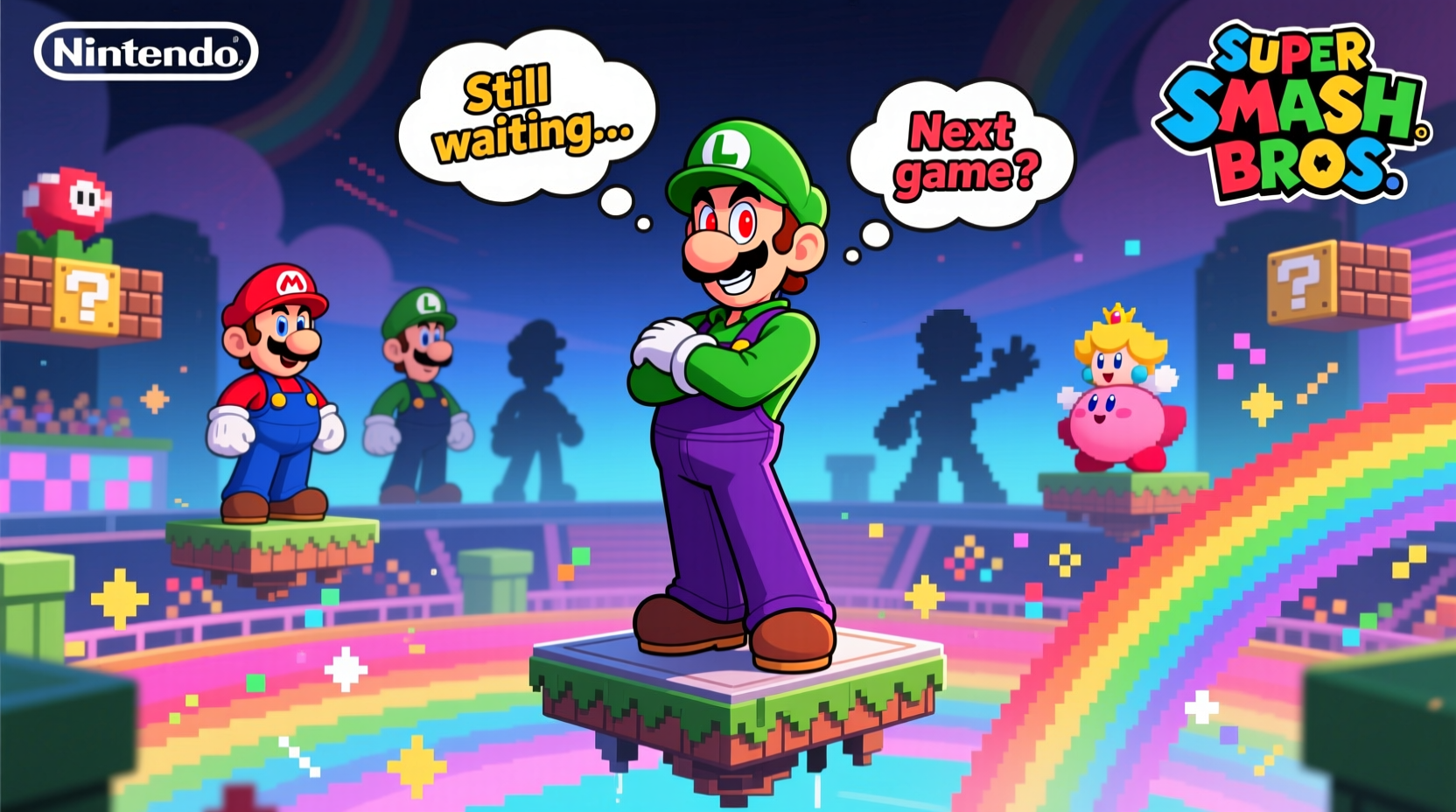
Waluigi first appeared in Luigi’s Mansion (2000) as a self-styled rival to Wario, created to complement Luigi in multiplayer modes. Over time, he evolved beyond a simple antagonist into a symbol of chaotic energy and internet culture. Unlike other secondary characters who serve clear narrative roles, Waluigi exists primarily as an agent of mischief and absurdity. This unpredictability has fueled his cult following, particularly online, where “Waluigi mains” joke about being perpetually overlooked by both Nintendo and game developers.
Fans argue that his inclusion would be thematically consistent with Smash’s spirit of inclusivity. Characters like Villager, Isabelle, and even DLC additions such as Min Min from Arms demonstrate that Smash values representation across Nintendo’s portfolio—even for lesser-known franchises. If that’s true, then why not Waluigi?
Official Statements and Developer Insights
Series creator Masahiro Sakurai has addressed Waluigi’s exclusion multiple times. In a 2018 interview with Famitsu, he stated: “Adding Waluigi would require creating entirely new animations, movesets, and voice work—he doesn’t have enough existing material to pull assets from.” This echoes his broader philosophy: every character must feel authentic to their origin while fitting seamlessly into Smash’s mechanics.
“We can’t just add someone because they’re popular. We need to ask: what does this character *do* in their games? How do they move? What defines them?” — Masahiro Sakurai, former director of Super Smash Bros.
Sakurai emphasized that many characters are rejected not due to lack of appeal but because they lack sufficient source material. Unlike Mario or Link, who have decades of consistent animation and combat logic, Waluigi appears mostly in sports and party games—genres that don’t translate easily into fighter mechanics. There’s no established “combat identity” for him, making it harder to design a balanced, engaging moveset without inventing everything from scratch.
Top Theories Behind Waluigi’s Absence
While official reasoning provides clarity, fans have developed alternative explanations based on deeper industry and branding dynamics.
1. Brand Image and Character Identity
Nintendo maintains tight control over its intellectual properties, often prioritizing wholesome, family-friendly imagery. Waluigi, by contrast, embodies rebellion, frustration, and anti-authority humor. He lacks a heroic arc or redeeming qualities seen in other characters. Some speculate that Nintendo avoids promoting him as a protagonist because he contradicts the company’s carefully curated image.
2. Licensing and Third-Party Dependencies
Though Waluigi is a Nintendo character, he was co-created by Camelot Software Planning—the studio behind the Mario Tennis and Mario Golf series. While Nintendo owns the IP, some theorize that internal rights complications could delay or complicate usage in high-profile titles like Smash. This theory remains unproven but plausible given past delays in reviving certain characters tied to external developers.
3. Gameplay Balance Concerns
Waluigi’s exaggerated physical proportions—long limbs, lanky frame—could pose technical challenges in hitbox design and animation syncing. Fighters in Smash rely on precise collision detection; disproportionate models risk unfair advantages or clunky movement unless meticulously tuned. Developers may view him as too complex to integrate without significant resource investment.
4. Narrative Irrelevance
Unlike Wario, who has his own games and lore, Waluigi plays no central role in any major storyline. He rarely drives plots or undergoes character development. In Smash Ultimate’s World of Light mode, even minor characters received backstories or cameos. Waluigi was absent—a sign, perhaps, that the team struggles to define who he is outside of comic relief.
5. Intentional Joke About Exclusion
A meta-theory gaining traction is that Nintendo deliberately keeps Waluigi out to reinforce his identity as the “eternal underdog.” By denying him inclusion despite massive fan campaigns, Nintendo leans into the irony: Waluigi represents being left behind. This self-aware exclusion has become part of his mythos, making eventual inclusion potentially anticlimactic.
| Theory | Evidence | Plausibility |
|---|---|---|
| Lack of Source Material | Sakurai’s direct comments | High |
| Brand Image Conflict | No solo games, limited merch | Medium |
| Licensing Issues | Camelot co-creation history | Low-Medium |
| Technical Challenges | Animation complexity | Medium |
| Meta Humor Strategy | Ongoing memes and references | High (culturally) |
Real Example: The Case of Lucas and the Power of Fan Campaigns
The story of Lucas from EarthBound offers insight into how fan advocacy can influence Smash rosters. Initially excluded from Smash Bros. Brawl, Lucas gained momentum through grassroots efforts—petitions, social media trends, and charity streams. When Super Smash Bros. Ultimate was announced, he was among the first confirmed DLC fighters. His inclusion proved that sustained, organized fan support can sway decisions—even for niche characters.
Yet Waluigi, despite having arguably larger online visibility, hasn’t achieved the same outcome. Why? Partly because his support is often framed ironically. Campaigns like “#FreeWaluigi” blend genuine desire with satire, diluting serious lobbying power. Whereas Lucas’ backers emphasized emotional connection and narrative depth, Waluigi’s base celebrates absurdity—making it harder for Nintendo to treat the request with full sincerity.
Step-by-Step: What It Would Take to Add Waluigi
Assuming Nintendo were to consider Waluigi for future Smash titles, here’s what the process might look like:
- Define Core Identity: Establish what makes Waluigi unique—his agility, trickery, or comedic timing—and how that translates into gameplay.
- Create Original Animations: Develop idle stances, attacks, special moves, and victory poses consistent with his personality.
- Voice Recording: Commission new vocal clips, possibly reuniting original voice actors if available.
- Design Moveset Mechanics: Explore concepts like trap-based projectiles, slippery movement, or taunt-integrated combos.
- Beta Testing & Balancing: Ensure he doesn’t dominate or underperform compared to existing roster members.
- Announce Strategically: Reveal him during a Direct presentation to maximize hype and validate fan hopes.
FAQ
Has Waluigi ever been close to joining Smash?
There’s no official confirmation, but concept art leaks from 2018 suggested early prototype designs were explored. These never progressed beyond sketches, likely due to resource allocation priorities.
Could Waluigi appear in a future Smash game?
Possibly. With Sakurai stepping down after Ultimate, a new development team might take creative risks. If Waluigi receives a starring role in a future game (e.g., a Waluigi Land platformer), his chances increase significantly.
Is Waluigi owned by Nintendo?
Yes. Although co-created by Camelot, Nintendo holds full intellectual property rights. Any decision about his use rests solely with them.
Conclusion: More Than Just a Missing Character
Waluigi’s absence from Super Smash Bros. reflects more than oversight—it encapsulates tensions between fan culture, corporate branding, and game design practicality. He is simultaneously too iconic to ignore and too undefined to include. While players may continue demanding his addition, true resolution requires more than a petition: it demands that Waluigi evolve beyond a punchline into a fully realized character with purpose and direction.
Until then, his exclusion remains a paradox: a testament to his popularity and a barrier to legitimacy. Whether Nintendo chooses to break the cycle—or embrace it—is up to them. But for millions of fans, seeing Waluigi finally step onto the battlefield wouldn’t just be a roster update. It would be a cultural moment.




 浙公网安备
33010002000092号
浙公网安备
33010002000092号 浙B2-20120091-4
Comments
No comments yet. Why don't you start the discussion?