
Lighting a candle in church is one of the most universal and enduring practices across Christian traditions. Whether placed before an icon, at a memorial stand, or beside a statue of the Virgin Mary, the flickering flame carries layers of spiritual meaning. Far more than a ritual gesture, this act connects believers to centuries of faith, prayer, and divine presence. Understanding why people light candles in church reveals profound truths about human longing for connection, remembrance, and hope.
The Symbolism of Light in Christian Tradition
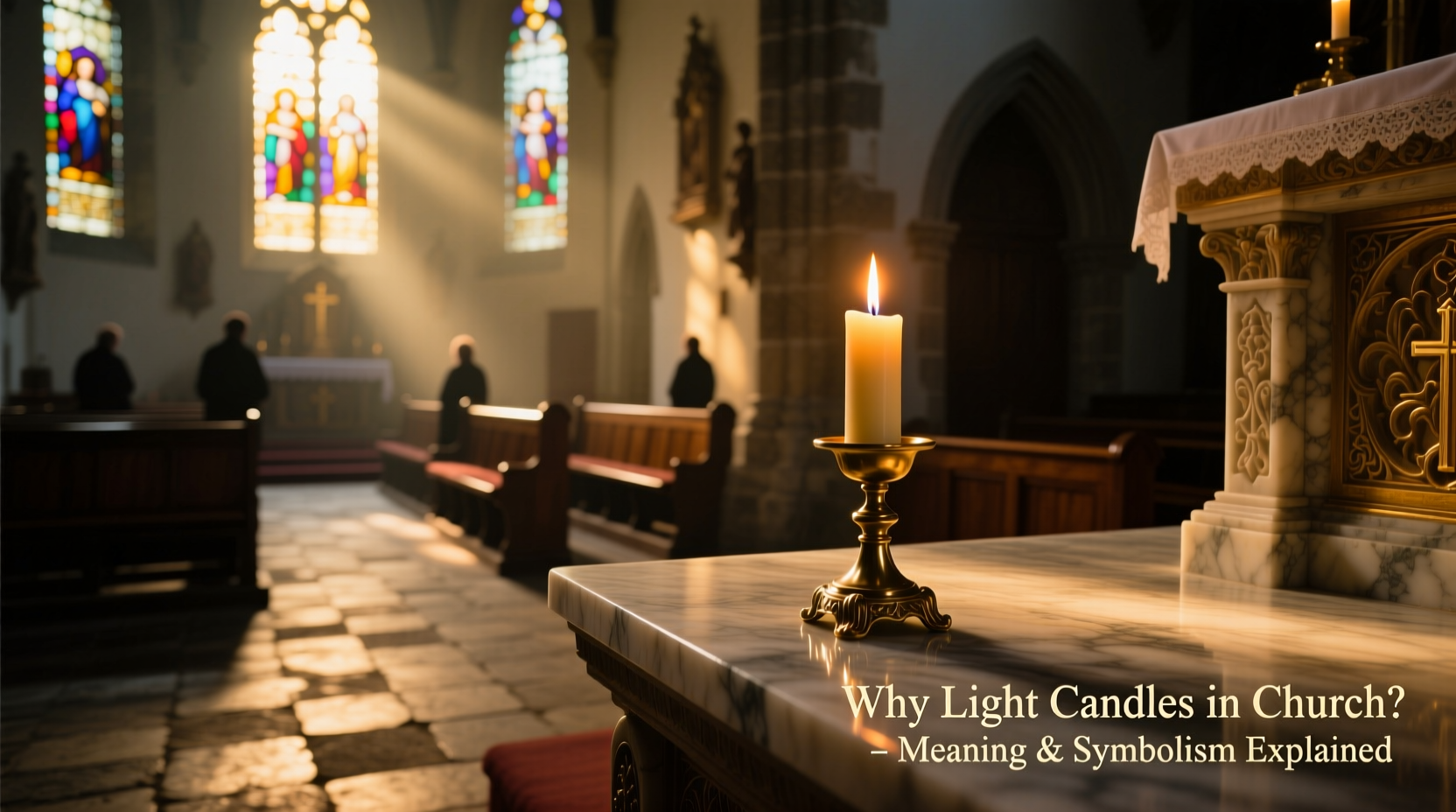
In Christianity, light has always been a central metaphor for God’s presence, truth, and salvation. From the opening lines of the Gospel of John—\"In him was life; and the life was the light of men\"—to Jesus declaring, \"I am the light of the world,\" illumination symbolizes divine revelation and spiritual awakening. Lighting a candle becomes a physical manifestation of these truths.
A burning candle represents:
- Christ’s presence – The flame signifies that Christ, the Light of the World, is alive and active in the world.
- Prayer made visible – The rising flame mirrors ascending prayers offered in silence.
- Holiness and purity – Fire purifies; thus, the candle reflects the soul's desire for sanctification.
- Hope in darkness – Even a small flame dispels shadows, symbolizing faith amid suffering or uncertainty.
“Let your light so shine before men, that they may see your good works and glorify your Father in heaven.” — Matthew 5:16
Historical Roots of Candle Lighting in Worship
The practice dates back to the early Church. By the 2nd century, Christians used oil lamps and candles during night vigils and in catacombs where they gathered secretly to worship. Tertullian, an early theologian, wrote about the custom of placing lights in churches as signs of reverence.
By the 4th century, after Christianity became legal under Emperor Constantine, candles were incorporated into liturgical services. They adorned altars, processions, and Easter ceremonies—especially the Paschal candle, which remains central in many denominations today.
In Eastern Orthodox traditions, the use of beeswax candles persists as a symbol of purity, while Roman Catholic and Anglican churches often use candles in sacramental rites such as baptism, marriage, and funerals.
Spiritual Purposes Behind Lighting Candles
Candles are not magical objects, nor do they guarantee answered prayers. Instead, they serve as outward expressions of inward spiritual realities. Here are several key reasons believers light candles in church:
1. Prayer and Intercession
Many light candles while praying for others—loved ones facing illness, emotional struggles, or difficult decisions. The continuous burn represents persistent prayer, even when the person has left the church building.
2. Memorial and Remembrance
Candles are often lit in memory of the deceased. In Catholic and Orthodox traditions, votive candles burn near plaques or books listing names of the departed. This honors their life and expresses belief in eternal life through Christ.
3. Thanksgiving and Praise
Some light candles not in petition but in gratitude—for healing received, safe travel, or answered prayers. These acts transform the candle into an offering of joy.
4. Personal Penitence and Renewal
In moments of personal crisis or moral failure, lighting a candle can mark a turning point—a sign of repentance and commitment to change.
5. Devotion to Saints and the Virgin Mary
In traditions that venerate saints, candles are lit before icons or statues as a sign of respect and request for intercessory prayer. For example, lighting a candle before an image of St. Jude (patron of hopeless causes) expresses trust in heavenly support.
| Purpose | Symbolic Meaning | Common Location in Church |
|---|---|---|
| Intercessory Prayer | Praying for others’ needs | Votive rack, side altar |
| Mourning the Dead | Hope in resurrection | Memorial table, columbarium |
| Thanksgiving | Gratitude for blessings | Near sanctuary or entrance |
| Penance | Repentance and renewal | Reconciliation chapel |
| Saint Devotion | Seeking spiritual intercession | Shrine or icon corner |
Step-by-Step Guide: How to Light a Candle in Church with Intention
While lighting a candle may seem simple, doing so mindfully deepens its spiritual impact. Follow these steps to make the act meaningful:
- Pause and reflect – Before approaching the candle stand, stop and consider your purpose: Who or what are you praying for?
- Select a candle – Choose a clean, unused candle. Some churches provide specific colors (white for purity, red for martyrdom, purple for penance).
- Light from an existing flame – Use a perpetual lamp or another burning candle. Never use matches or lighters if alternatives exist—it emphasizes continuity of faith.
- Offer a silent prayer – As the wick catches fire, speak briefly to God in your heart. You might say, “Lord, receive this prayer for my sister who is ill.”
- Place the candle securely – Set it upright in the holder. Ensure it won’t tip over or endanger others.
- Remain for a moment – Stay still, watching the flame, allowing your intention to settle before moving on.
“The smallest candle casts out more darkness than the largest shadow.” — St. Seraphim of Sarov
Mini Case Study: A Grieving Mother Finds Peace
After losing her teenage son in a car accident, Maria visited her local parish every evening. She didn’t always pray aloud or attend Mass, but she lit a candle each time. At first, she simply stared at the flame, numb with grief. Over weeks, something shifted. One night, she whispered, “Thank you for loving him.” That moment marked the beginning of healing.
The candle became a bridge between sorrow and hope. It gave her a tangible way to express what words could not. Her story reflects how this ancient practice provides comfort when language fails.
Do’s and Don’ts of Lighting Church Candles
| Do’s | Don’ts |
|---|---|
| Use the flame from another candle or sanctuary lamp | Blow out candles unnecessarily |
| Pray silently or offer a brief intention | Leave flammable materials near candles |
| Respect designated areas for different intentions | Touch hot wax or metal holders |
| Allow children to participate under supervision | Assume all traditions allow public candle lighting—check first |
Frequently Asked Questions
Is lighting a candle necessary for prayer?
No. Prayer comes from the heart, not rituals. However, candles can enhance focus and serve as powerful symbols that deepen spiritual awareness.
Can non-Catholics or non-Christians light a candle in a church?
In most cases, yes. Many churches welcome anyone seeking peace, healing, or reflection to light a candle. It is seen as an ecumenical and inclusive gesture of shared human longing.
What happens to the candle after it burns out?
Church staff typically remove spent candles daily. Wax remnants are cleaned, and any remaining wicks or metal cups are disposed of respectfully. Some parishes recycle beeswax or repurpose containers.
Conclusion: Let Your Light Be Seen
Lighting a candle in church is far more than tradition—it is an act of faith made visible. In a world filled with noise and distraction, the quiet glow of a single flame invites stillness, remembrance, and communion with the divine. Whether offered for the living, the dead, or one’s own inner journey, the candle stands as a testament to enduring hope.
Each flame says: I believe. I remember. I hope. And in that fragile light, something sacred stirs.




 浙公网安备
33010002000092号
浙公网安备
33010002000092号 浙B2-20120091-4
Comments
No comments yet. Why don't you start the discussion?