
Relationships are dynamic. They evolve, grow, and sometimes falter—not because of one person’s failure, but due to a complex interplay of emotions, expectations, and life transitions. One of the most common yet misunderstood patterns is how men often change once a relationship becomes serious. This shift isn’t always intentional or negative, but it can feel confusing or even disheartening if left unexplained. Understanding the psychological, emotional, and social factors behind these changes allows both partners to respond with compassion rather than conflict.
The Initial Phase: Idealization and Pursuit
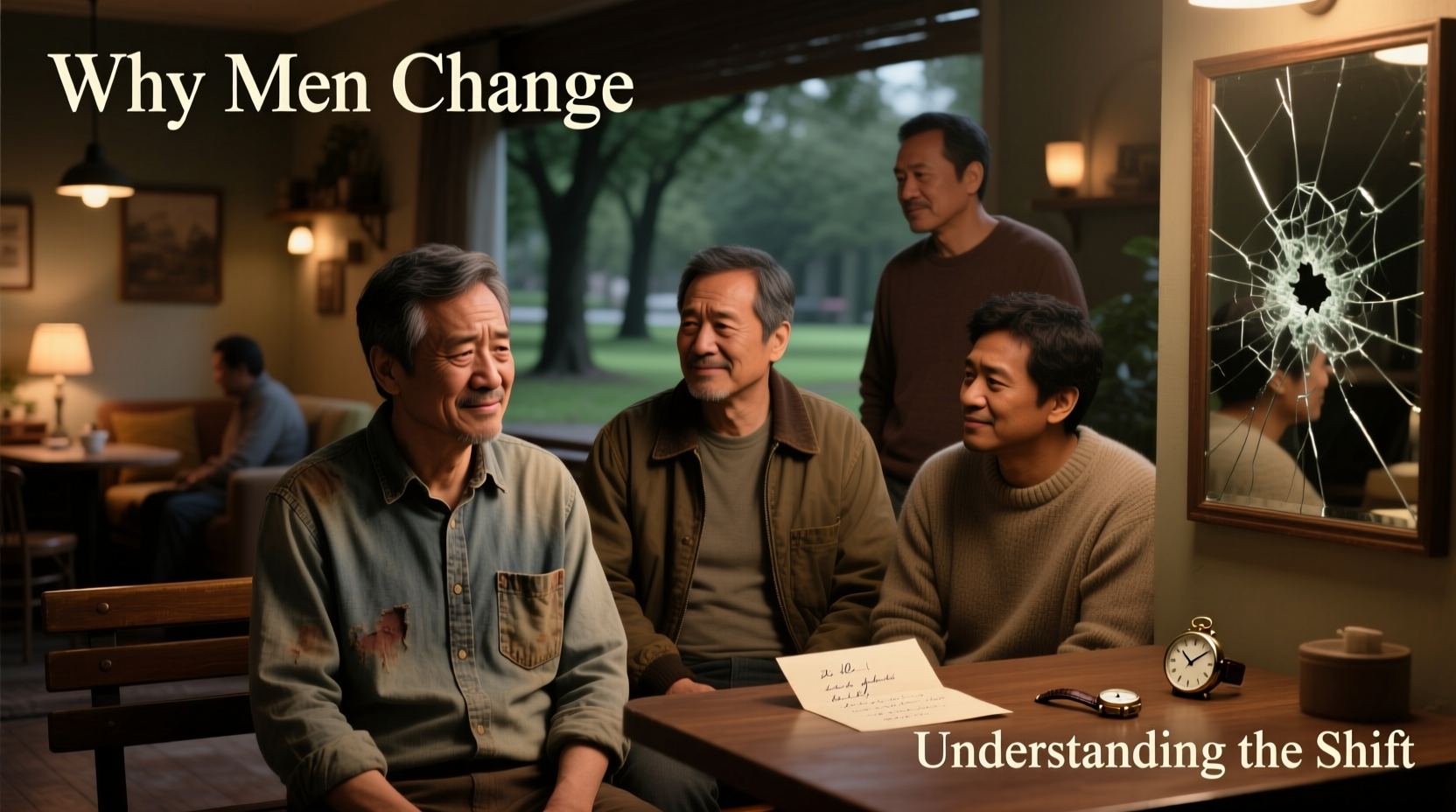
In the early stages of dating, many men exhibit heightened attention, affection, and effort. This “honeymoon phase” is driven by dopamine and novelty—biological responses that make new connections exhilarating. Men may go out of their way to impress, plan thoughtful dates, and maintain constant communication. However, this phase is temporary by nature. As familiarity grows, so does comfort, which can inadvertently lead to behavioral shifts.
It's important not to mistake this transition as indifference. What may appear as withdrawal is often the brain recalibrating from infatuation to attachment. Oxytocin and vasopressin replace dopamine, fostering deeper bonding—but without the same intensity of excitement. The challenge arises when one partner interprets reduced texting or spontaneity as a loss of interest, while the other sees it as normal progression into stability.
Why Men Change: Key Psychological Drivers
Change in behavior isn't arbitrary. It stems from internal pressures and external influences. Below are some of the most common reasons men shift emotionally or behaviorally in committed relationships.
- Fear of engulfment: Some men unconsciously pull back when intimacy deepens, fearing they’ll lose autonomy or personal identity.
- Performance pressure: As commitment grows, so do expectations around financial responsibility, future planning, or emotional availability.
- Unresolved past experiences: Childhood dynamics, previous relationship trauma, or family models of love can shape how a man engages long-term.
- Life stressors: Career demands, health issues, or family obligations often take precedence, especially if he feels unsupported in expressing vulnerability.
- Misaligned expectations: If his vision of partnership differs from reality (e.g., needing more independence), subtle distancing may occur.
“Many men aren’t taught how to express emotional needs—they learn to withdraw instead of communicate. That doesn’t mean they don’t care.” — Dr. Alan Thompson, Clinical Psychologist specializing in male emotional health
Recognizing the Shift: Subtle Signs and Patterns
Changes aren’t always dramatic. Often, they manifest through small but consistent behaviors:
| Behavior | Possible Meaning | Healthy Response |
|---|---|---|
| Less frequent communication | Increased workload or need for space | Ask gently: “I’ve noticed we’re talking less. Is everything okay?” |
| Avoiding future talk | Uncertainty about compatibility or fear of commitment | Share your own perspective first: “I’ve been thinking about where we’re headed…” |
| Reduced physical affection | Stress, low testosterone, or emotional disconnect | Initiate non-demanding touch; observe response |
| Criticism or irritability | Internal frustration or unmet emotional needs | De-escalate and reflect: “You seem stressed. Want to talk?” |
Case Study: James and Maya – Navigating Emotional Distance
James, 34, had been in a two-year relationship with Maya. In the beginning, he was attentive—calling daily, planning weekend trips, and introducing her to friends. After they moved in together, however, he became quieter, spent more time gaming after work, and avoided conversations about marriage.
Maya felt rejected and assumed he was losing interest. She confronted him during an argument, saying, “You don’t love me anymore.” James reacted defensively and withdrew further. Only after attending couples counseling did they uncover the truth: James felt overwhelmed by the pace of the relationship. He loved Maya deeply but feared failing her expectations. His silence wasn’t apathy—it was anxiety masked as detachment.
With guided communication exercises, James learned to express his fears verbally instead of retreating. Maya adjusted her approach, offering reassurance rather than pressure. Their bond strengthened not despite the shift, but because they addressed it constructively.
How to Respond Constructively: A Step-by-Step Guide
When you notice a change in your partner, avoid assumptions. Follow this timeline to foster clarity and connection:
- Observe without judgment: Note specific behaviors over time. Is this a temporary dip or a sustained pattern?
- Reflect on context: Has anything changed recently—job stress, illness, family events?
- Create a safe space: Choose a calm moment to speak. Use “I” statements: “I’ve felt a little disconnected lately, and I want to understand how you’re doing.”
- Listen actively: Allow him to speak without interruption. Avoid turning it into an interrogation.
- Collaborate on solutions: Ask, “What would help you feel more connected?” or “How can I support you better?”
- Reassess after 4–6 weeks: Check in on progress. Small improvements build trust over time.
Checklist: Supporting Healthy Emotional Growth in Your Relationship
- ✅ Practice patience when he seems distant—don’t escalate with accusations
- ✅ Encourage low-pressure activities (walks, cooking together) to rebuild connection
- ✅ Validate his efforts, even small ones (“I appreciate you checking in today”)
- ✅ Avoid ultimatums unless boundaries are repeatedly crossed
- ✅ Suggest professional support if communication remains blocked
- ✅ Maintain your own identity and friendships outside the relationship
Frequently Asked Questions
Do men naturally become less romantic over time?
Not necessarily. While the intensity of early romance often fades, sustained romance depends on mutual effort. Many men remain deeply romantic when they feel secure and appreciated. The key is redefining romance beyond grand gestures—consistency, presence, and small acts of care matter just as much.
Is it normal for a man to need more alone time in a serious relationship?
Yes. Most adults, regardless of gender, require periods of solitude to recharge. The issue isn’t the need for space, but whether it’s balanced with engagement. If he returns to the relationship refreshed and present, it’s likely healthy. If isolation becomes chronic and avoids emotional intimacy, it may signal avoidance.
Can a man change back after pulling away emotionally?
Yes, provided there’s willingness and awareness. Emotional reconnection is possible when both partners commit to honest dialogue and mutual understanding. However, repeated cycles of withdrawal without repair may indicate deeper incompatibility or unresolved personal issues.
Conclusion: Embracing Change as Part of Connection
All relationships undergo transformation. The idea that love should remain exactly as it began is not only unrealistic—it can be damaging. Men change not because they stop caring, but because they are navigating their own growth, fears, and responsibilities. Recognizing this shift as part of the journey, rather than a betrayal, opens the door to deeper intimacy.
Instead of asking, “Why has he changed?” try asking, “How can we grow together through this?” Communication, empathy, and shared resilience turn moments of uncertainty into opportunities for connection.




 浙公网安备
33010002000092号
浙公网安备
33010002000092号 浙B2-20120091-4
Comments
No comments yet. Why don't you start the discussion?