
In a nation where educational equity remains an ongoing challenge, institutions like Why Not You Academy stand out as transformative models of what’s possible when vision, community, and strategic use of charter school resources converge. Founded with a mission to uplift students from historically underserved neighborhoods in South Los Angeles, Why Not You Academy is more than a school—it’s a movement. By harnessing the flexibility and autonomy inherent in the charter school model, the institution has redefined access, engagement, and outcomes for its students. This article explores how the academy strategically utilizes charter resources to build a holistic, student-centered learning environment that prepares youth not just for college, but for life.
The Charter School Advantage: Autonomy with Accountability
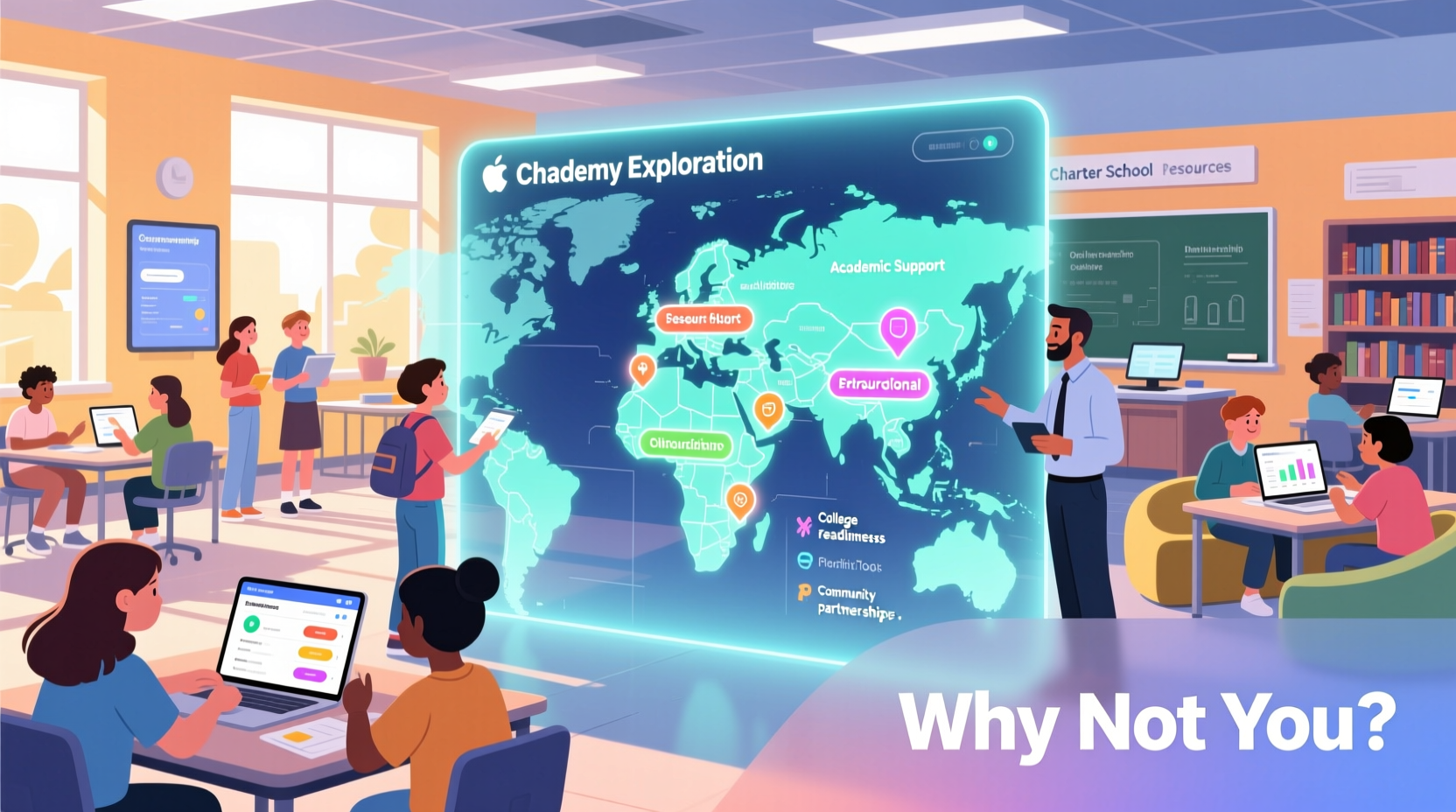
Charter schools operate under performance contracts—charters—that grant them freedom from many traditional public school regulations in exchange for meeting specific academic, financial, and operational goals. This structure allows schools like Why Not You Academy to innovate without bureaucratic constraints while remaining accountable to their communities and authorizers.
At Why Not You Academy, this autonomy translates into curriculum customization, targeted hiring practices, and the ability to form direct partnerships with nonprofits, universities, and corporate sponsors. Unlike district-run schools bound by centralized policies, the academy designs programs that reflect the cultural context and real-world needs of its students.
Resource Allocation That Prioritizes Student Success
One of the most significant ways Why Not You Academy maximizes its charter status is through strategic resource allocation. While per-pupil funding for charter schools often lags behind traditional public schools—especially in California—the academy has developed creative solutions to stretch every dollar.
Funding is directed toward high-impact areas such as small class sizes, mental health support, college counseling, and technology integration. For example, instead of allocating large portions of the budget to administrative overhead, the school maintains a lean central team and channels savings into hiring additional tutors and social workers.
| Resource Area | Traditional Public School Average | Why Not You Academy Allocation |
|---|---|---|
| Class Size | 25–30 students | 15–18 students |
| Counselor-to-Student Ratio | 1:400+ | 1:75 (includes mental health counselors) |
| Professional Development | Limited, district-wide sessions | Weekly coaching & peer collaboration |
| Family Engagement Programs | Occasional parent nights | Monthly workshops + home visits |
Community Partnerships: Extending Beyond the Classroom
Why Not You Academy doesn’t operate in isolation. A cornerstone of its success lies in deep collaboration with external organizations. These partnerships amplify the impact of limited financial resources and provide students with experiences typically reserved for more affluent districts.
The academy works closely with local universities for dual-enrollment opportunities, tech companies for internship pipelines, and nonprofit mentors who provide one-on-one guidance. Notably, its partnership with the University of Southern California enables juniors and seniors to earn college credits tuition-free—removing both financial and psychological barriers to higher education.
“We don’t wait for systems to change. We build bridges now so our students can walk across them.” — Dr. Keziah Featherstone, Founding Principal, Why Not You Academy
Step-by-Step: How Why Not You Academy Builds Student Pathways
The academy’s approach to student development follows a clear, intentional trajectory from 6th grade through high school graduation. Each phase is supported by tailored resources made possible through its charter framework.
- Middle School Foundation (Grades 6–8): Focus on literacy, numeracy, and social-emotional learning. Students participate in weekly “Exploration Labs” to discover interests in STEM, arts, and leadership.
- Freshman Academy (Grade 9): Transition support with dedicated advisors, study skills training, and family orientation sessions to prevent early disengagement.
- College Readiness (Grades 10–11): SAT prep, campus tours, personal statement workshops, and AP course access. Every student completes a college research project.
- Career Exposure (Grade 12): Internships, mock interviews, and financial aid navigation. Over 90% of seniors enroll in post-secondary programs.
- Alumni Support Network: Continued mentoring and check-ins during the first two years after graduation to improve college persistence rates.
Mini Case Study: From Struggling Reader to First-Gen College Scholar
Jamal, a 6th grader at Why Not You Academy, entered middle school reading three years below grade level. Through the school’s diagnostic assessment system, he was quickly placed in a targeted literacy intervention group with daily small-group instruction and biweekly progress monitoring.
By 8th grade, Jamal was not only caught up but began participating in the school’s robotics club—a program funded by a charter innovation grant. In high school, he joined the USC dual-enrollment program and earned six college credits before graduation. Today, he studies engineering at California State University, Long Beach, and credits his success to the consistent support and high expectations at Why Not You Academy.
This story is not unique. It reflects a systemic approach where early identification, personalized learning plans, and sustained mentorship turn potential into achievement.
Checklist: What Makes Why Not You Academy’s Model Replicable?
- ✅ Governance board with educators, parents, and community leaders
- ✅ Transparent budgeting focused on student-facing services
- ✅ Continuous data tracking for academic and behavioral outcomes
- ✅ Mandatory teacher collaboration time built into the weekly schedule
- ✅ Family engagement embedded in school culture, not treated as an add-on
- ✅ Use of charter flexibility to pilot new teaching methods before district adoption
- ✅ Long-term alumni follow-up to measure true program success
FAQ
Are charter schools publicly funded?
Yes, charter schools are tuition-free public schools funded by state and local tax dollars. They receive public funding based on enrollment but often do not receive capital funding for facilities, which can create financial challenges.
How does Why Not You Academy ensure accountability?
The academy is authorized by the Los Angeles Unified School District and undergoes annual performance reviews. It must meet targets in academic growth, financial integrity, and operational compliance to remain open. Additionally, it publishes its results and holds community forums each semester.
Can any student attend Why Not You Academy?
Yes. As a public charter school, it is open to all students, particularly those from Central and South LA. Enrollment is conducted via lottery when applications exceed capacity, ensuring equitable access.
Conclusion: A Blueprint for Educational Equity
Why Not You Academy exemplifies how charter schools, when thoughtfully designed and community-rooted, can close opportunity gaps rather than widen them. Its success isn’t due to unlimited funding or selective admissions—it stems from a relentless focus on using available resources wisely, listening to families, and believing that every student deserves a champion.
The lessons from this institution extend beyond its campus. Policymakers, educators, and advocates can learn from its model: autonomy matters, but only when guided by mission and accountability. Innovation thrives not in isolation, but in partnership. And most importantly, equity isn’t a slogan—it’s a daily practice.




 浙公网安备
33010002000092号
浙公网安备
33010002000092号 浙B2-20120091-4
Comments
No comments yet. Why don't you start the discussion?