
Orcas, often called killer whales, are among the most intelligent and socially complex animals on Earth. Found in every ocean, these apex predators play a vital role in maintaining the balance of marine ecosystems. Far from being mere hunters, orcas influence food webs, support biodiversity, and serve as indicators of ocean health. Their presence—or absence—can signal broader environmental changes. Understanding why orcas matter goes beyond admiration for their power and grace; it reveals how deeply interconnected life beneath the waves truly is.
The Role of Orcas as Apex Predators
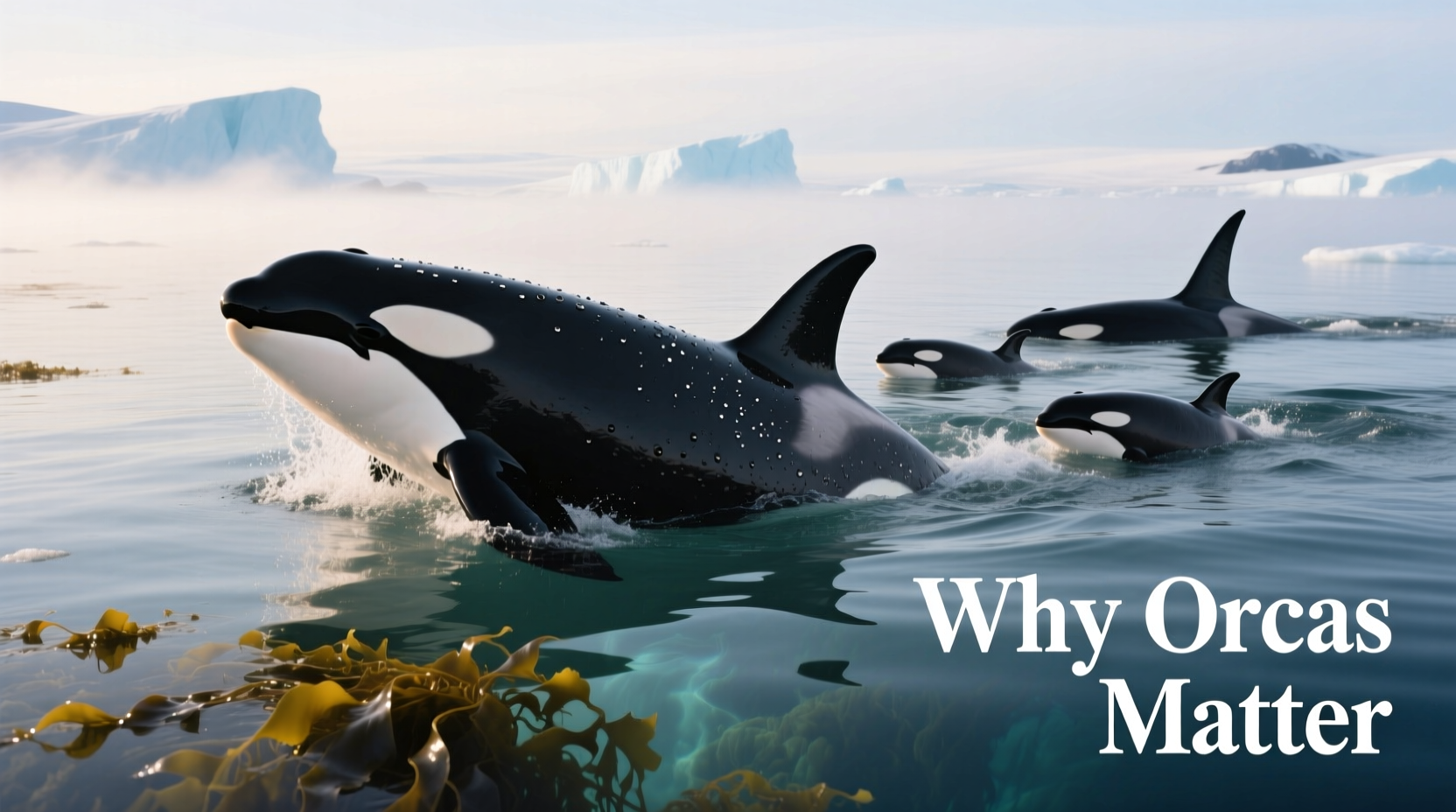
As apex predators, orcas sit at the top of the marine food chain. They have no natural predators and exert significant control over the populations of species they consume. This includes seals, sea lions, fish, squid, seabirds, and even other cetaceans such as dolphins and smaller whales. By regulating prey populations, orcas help prevent any one species from dominating an ecosystem, which could lead to imbalances like overgrazing of kelp forests or depletion of key fish stocks.
For example, in the Pacific Northwest, transient orcas that specialize in hunting marine mammals keep seal and sea lion numbers in check. Without this predation pressure, these mid-level predators could overconsume salmon and other commercially important fish, disrupting both ecological and economic systems.
Trophic Cascades and Ecosystem Stability
The impact of orcas extends beyond direct predation through what ecologists call trophic cascades—indirect effects that ripple through multiple levels of a food web. A well-documented case occurred in the North Pacific, where a decline in orca predation on sea otters (due to shifts in prey availability) led to an explosion in sea urchin populations. With fewer otters to hunt them, urchins overgrazed kelp forests, turning lush underwater habitats into barren seascapes.
This chain reaction illustrates how the removal or decline of orcas can destabilize ecosystems thousands of miles away. When apex predators disappear, the consequences are rarely isolated—they echo across species, habitats, and even human livelihoods tied to healthy oceans.
Cultural Transmission and Social Intelligence
Orcas exhibit some of the most sophisticated social behaviors in the animal kingdom. They live in tightly knit matrilineal pods, where knowledge is passed down from generation to generation. Calves learn not only hunting techniques but also vocal dialects unique to their pod—essentially, cultural traditions encoded in sound and behavior.
In the waters off British Columbia and Washington State, Southern Resident orcas rely on specific calls and cooperative strategies to hunt Chinook salmon. These methods are taught by elder females, many of whom stop reproducing in later life but continue leading the pod—a phenomenon similar to human menopause, suggesting deep evolutionary value in long-lived matriarchs.
“Orcas aren’t just smart individuals—they’re members of cultures shaped over centuries. Losing a pod means erasing irreplaceable knowledge.” — Dr. Hal Whitehead, Marine Mammal Behavior Expert
This cultural complexity makes orcas particularly vulnerable. Unlike species that can repopulate quickly, orcas depend on stable social structures. The loss of key elders can disrupt feeding patterns, migration routes, and reproductive success, with long-term consequences for survival.
Indicators of Ocean Health
Orcas are sentinels of marine ecosystem health. Because they are long-lived and high on the food chain, they accumulate toxins such as PCBs, mercury, and flame retardants through a process called biomagnification. Studies have shown alarmingly high contaminant levels in certain orca populations, especially those near industrialized coastlines.
The Southern Resident orcas, listed as endangered since 2005, face severe threats from pollution, reduced salmon availability, and vessel noise. Their declining numbers reflect broader issues: degraded water quality, overfishing, habitat fragmentation, and climate change. Monitoring orca health provides scientists with early warnings about the state of the oceans—and by extension, planetary well-being.
| Threat | Impact on Orcas | Broader Environmental Signal |
|---|---|---|
| Chemical Pollution | Liver damage, reproductive failure | Industrial runoff, poor waste management |
| Prey Scarcity | Malnutrition, lower calf survival | Overfishing, dam construction, habitat loss |
| Underwater Noise | Disrupted communication and echolocation | Shipping traffic, offshore development |
| Climate Change | Shifts in prey distribution, habitat range | Ocean warming, acidification, deoxygenation |
Conservation Challenges and Success Stories
Despite growing awareness, many orca populations remain at risk. The Southern Residents number fewer than 80 individuals, while others, like the critically endangered Iberian subpopulation of Atlantic orcas, struggle with ship strikes and dwindling tuna stocks. Yet there are reasons for hope.
In Norway, once-depleted herring stocks have rebounded due to sustainable fisheries management, supporting a resurgence in orca sightings. Similarly, efforts to breach dams along the Snake River—key obstacles to salmon migration—are gaining momentum, potentially restoring vital food sources for Pacific Northwest orcas.
Mini Case Study: J-Pod and the Fight for Chinook Salmon
J-Pod, part of the Southern Resident community, has been studied for decades. In 2018, one female, J35 (Tahlequah), captured global attention when she carried her dead calf for 17 days and over 1,000 miles. Scientists attributed the calf’s death to malnutrition linked to low Chinook salmon returns. Her grief became a symbol of the crisis facing orcas dependent on dwindling prey.
Since then, advocacy groups have intensified efforts to restore salmon-bearing rivers, reduce vessel noise, and strengthen pollution regulations. While J-Pod’s population remains fragile, increased public engagement has spurred policy discussions and funding for habitat restoration projects—an example of how emotional connection can drive ecological action.
Actionable Steps to Support Orca Conservation
Protecting orcas requires systemic change, but individual actions contribute meaningfully to larger outcomes. Here is a checklist of practical steps anyone can take:
- Choose sustainable seafood: Look for MSC or Seafood Watch certifications to avoid contributing to overfished stocks.
- Reduce plastic use: Plastics break down into microplastics that enter the food chain and accumulate in marine predators.
- Support clean energy: Climate change affects ocean temperatures and prey availability; reducing carbon emissions helps stabilize marine habitats.
- Advocate for river restoration: Back initiatives that remove obsolete dams or improve fish passage.
- Respect marine wildlife: Keep distance from orcas in the wild; follow responsible whale-watching guidelines.
- Donate to research organizations: Groups like the Center for Whale Research and Oceania Project conduct vital monitoring and advocacy work.
Frequently Asked Questions
Are orcas dangerous to humans?
In the wild, orcas do not pose a threat to humans. There are no documented cases of wild orcas attacking people. Incidents involving captive orcas stem from stress, confinement, and disrupted social structures—not natural behavior.
Why are some orca populations endangered?
Main threats include lack of prey (especially salmon), toxic contamination, underwater noise pollution, and habitat degradation. These factors combine to reduce reproduction rates and increase mortality, particularly among calves.
Can we still save endangered orca populations?
Yes—but urgent action is needed. Restoring salmon runs, reducing pollutants, quieting coastal waters, and protecting critical habitats are all proven strategies that can reverse decline if implemented consistently.
Conclusion: Why Protecting Orcas Matters for Everyone
Orcas are more than magnificent animals—they are keystone species, cultural icons, and barometers of ocean vitality. Their survival is intertwined with the health of marine ecosystems that provide food, oxygen, and climate regulation for billions of people. When we protect orcas, we are not just saving a single species; we are defending the intricate web of life that sustains us all.




 浙公网安备
33010002000092号
浙公网安备
33010002000092号 浙B2-20120091-4
Comments
No comments yet. Why don't you start the discussion?