
Peat moss has long been a staple in gardening and commercial horticulture due to its excellent water retention and soil aeration properties. However, increasing awareness of climate change and ecosystem degradation has spotlighted the environmental cost of harvesting peat moss. While it may improve garden beds and potting mixes, the extraction process damages fragile ecosystems, releases stored carbon, and contributes to biodiversity loss. As sustainability becomes a priority, gardeners, landscapers, and agricultural professionals are reevaluating their reliance on peat moss and turning to more responsible alternatives.
The Environmental Cost of Peat Moss Harvesting
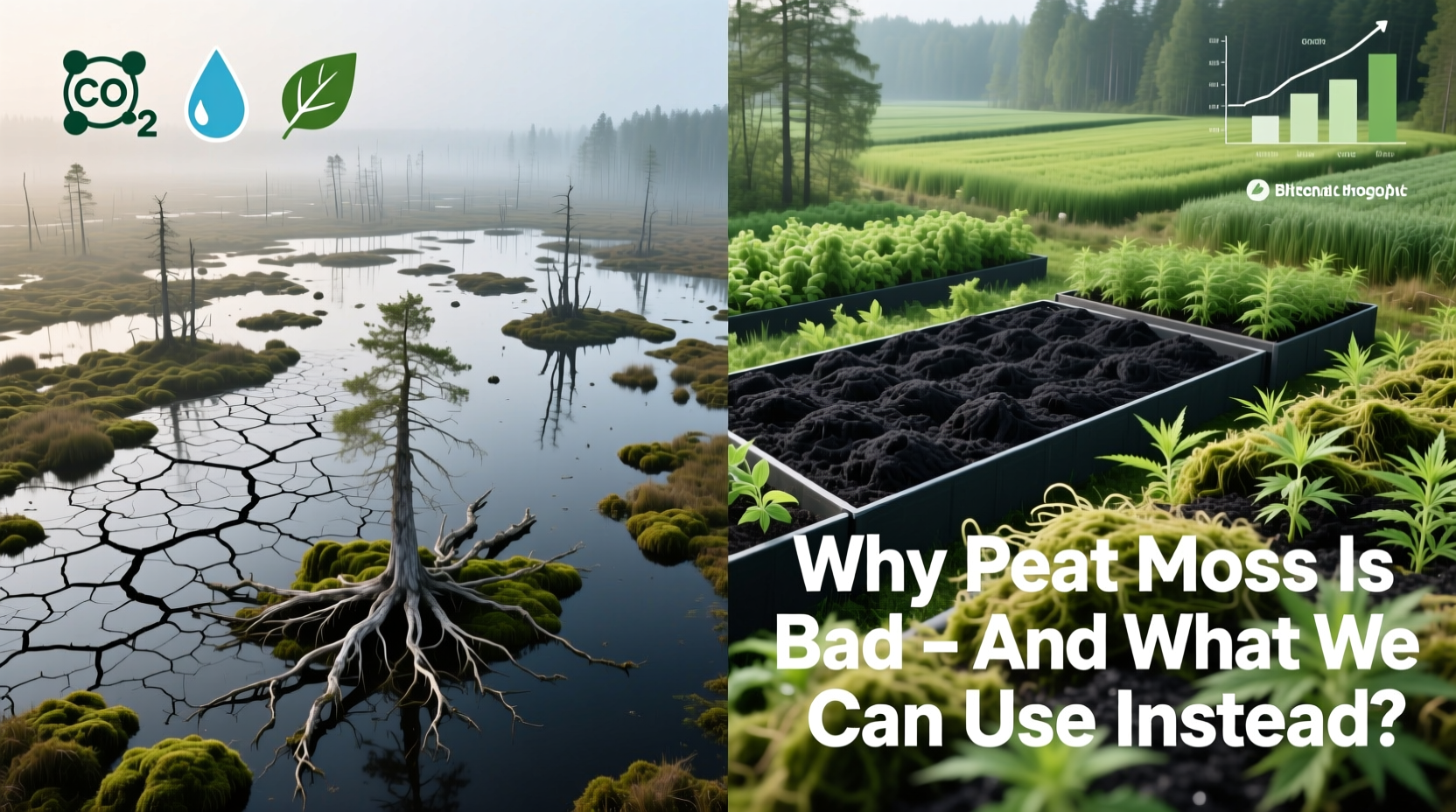
Peat moss forms in wetlands known as peatlands or bogs, where dead plant material accumulates over thousands of years under waterlogged, oxygen-poor conditions. These environments decompose organic matter extremely slowly—so slowly that peat builds up at a rate of about 1 millimeter per year. Despite this glacial growth, industrial-scale harvesting removes layers meters deep, effectively mining a non-renewable resource on human timescales.
When peatlands are drained for harvesting, the exposed peat begins to decompose rapidly, releasing vast amounts of stored carbon dioxide into the atmosphere. According to the International Union for Conservation of Nature (IUCN), damaged peatlands release nearly 6% of global greenhouse gas emissions annually—despite covering only 3% of Earth’s land surface.
“Peatlands are among the most efficient carbon sinks on the planet. Draining them for horticulture undermines decades of climate progress.” — Dr. Jane Goodwin, Wetland Ecologist, University of Edinburgh
Key Environmental Concerns
- Carbon Emissions: Peatlands store twice as much carbon as all the world’s forests combined. Disturbing them turns carbon sinks into carbon sources.
- Habitat Destruction: Bogs support rare species like carnivorous plants, bog turtles, and specialized insects. Draining destroys these unique habitats.
- Slow Regeneration: It takes centuries to millennia to form new peat. Current harvest rates far exceed natural replenishment.
- Water Cycle Disruption: Healthy peatlands regulate water flow, reduce flooding, and filter pollutants. Damaged bogs lose these functions.
- Irreversible Damage: Once a peatland is degraded, restoration is difficult, expensive, and often incomplete.
Sustainable Alternatives to Peat Moss
Fortunately, several eco-friendly substitutes offer similar or better performance in gardening applications without the environmental toll. These materials are renewable, widely available, and often derived from waste streams, giving them additional sustainability benefits.
| Alternative | Benefits | Limitations |
|---|---|---|
| Coconut Coir | Renewable byproduct of coconut processing; excellent water retention; pH neutral | May contain salts if not rinsed; transportation footprint from tropical regions |
| Composted Bark or Wood Fiber | Improves aeration; sourced from forestry byproducts; supports microbial life | Can tie up nitrogen temporarily during decomposition |
| Leaf Mold | Free, locally producible; enhances soil structure and moisture retention | Requires time and space to produce; seasonal availability |
| Compost (Municipal or Home) | Recycles organic waste; enriches soil with nutrients and microbes | Variable quality; may compact if overused |
| Rice Hulls | Lightweight; improves drainage; byproduct of rice milling | Limited water retention; best used in blends |
Real-World Shift: A Case Study from the UK
In 2011, the UK government set a voluntary target to eliminate peat use in amateur gardening by 2020. Though full compliance wasn’t achieved, the initiative spurred major retailers like B&Q and Waitrose to phase out peat-based products. Nurseries such as Dalefoot Composts began producing high-performance peat-free mixes using sheep’s wool and bracken, demonstrating that alternatives can meet or exceed traditional standards.
By 2023, over 70% of compost sold in the UK for home use was peat-free—a shift driven by consumer demand and growing environmental awareness. Gardeners reported comparable yields and improved soil health over time, proving that sustainable practices don’t require sacrificing results.
How to Transition Away from Peat Moss: A Step-by-Step Guide
- Assess Your Current Use: Identify where you use peat moss—potting mixes, seed starting, garden beds—and how much.
- Read Labels Carefully: Switch to certified peat-free potting soils. Look for OMRI (Organic Materials Review Institute) certification if gardening organically.
- Start Small: Replace peat in one application first, such as seed trays using coconut coir, then expand to larger projects.
- Make Your Own Mix: Blend compost, coir, perlite, and rice hulls in a 2:1:1 ratio for a balanced, peat-free alternative.
- Build Soil Health Naturally: Instead of amending every planting with peat, focus on long-term soil improvement through mulching, cover cropping, and composting.
- Educate Others: Share your experience with local gardening clubs or online communities to amplify impact.
Checklist: Going Peat-Free in Your Garden
- ✅ Audit all current soil and potting mix ingredients
- ✅ Purchase only peat-free labeled products
- ✅ Start a backyard compost system to create your own growing medium
- ✅ Experiment with DIY peat-free blends for containers and raised beds
- ✅ Support nurseries and brands committed to sustainability
- ✅ Advocate for peat-free policies in community gardens or municipal landscaping
Frequently Asked Questions
Is peat moss biodegradable?
Yes, peat moss is organic and will eventually break down, but its decomposition after harvesting releases significant CO₂. Its slow formation makes it functionally non-renewable in practical terms.
Can I reuse old potting soil that contains peat moss?
Yes, you can reuse it, but avoid adding more peat moss when refreshing the mix. Instead, revitalize it with compost or coir to improve texture and nutrient content.
Are all “organic” potting mixes peat-free?
No. Many organic-certified soils still contain peat moss because it meets organic standards, even though it’s environmentally damaging. Always read the label carefully.
Conclusion: Cultivating Change One Garden at a Time
The choice to stop using peat moss isn't just about personal gardening success—it's part of a broader responsibility to protect vital ecosystems and combat climate change. With effective, accessible alternatives available, there’s no need to compromise between healthy plants and a healthy planet. Every gardener who switches to peat-free practices contributes to preserving ancient bogs, reducing emissions, and promoting circular economies in horticulture.




 浙公网安备
33010002000092号
浙公网安备
33010002000092号 浙B2-20120091-4
Comments
No comments yet. Why don't you start the discussion?