
Oxycodone is a powerful prescription painkiller commonly used to manage moderate to severe pain. While effective when used as directed, it carries a high risk of dependence and addiction. Millions of individuals have been affected by opioid misuse, with oxycodone playing a significant role in the ongoing public health crisis. Understanding the biological, psychological, and social mechanisms behind oxycodone addiction is essential for prevention, early intervention, and effective treatment.
The Science Behind Oxycodone and the Brain
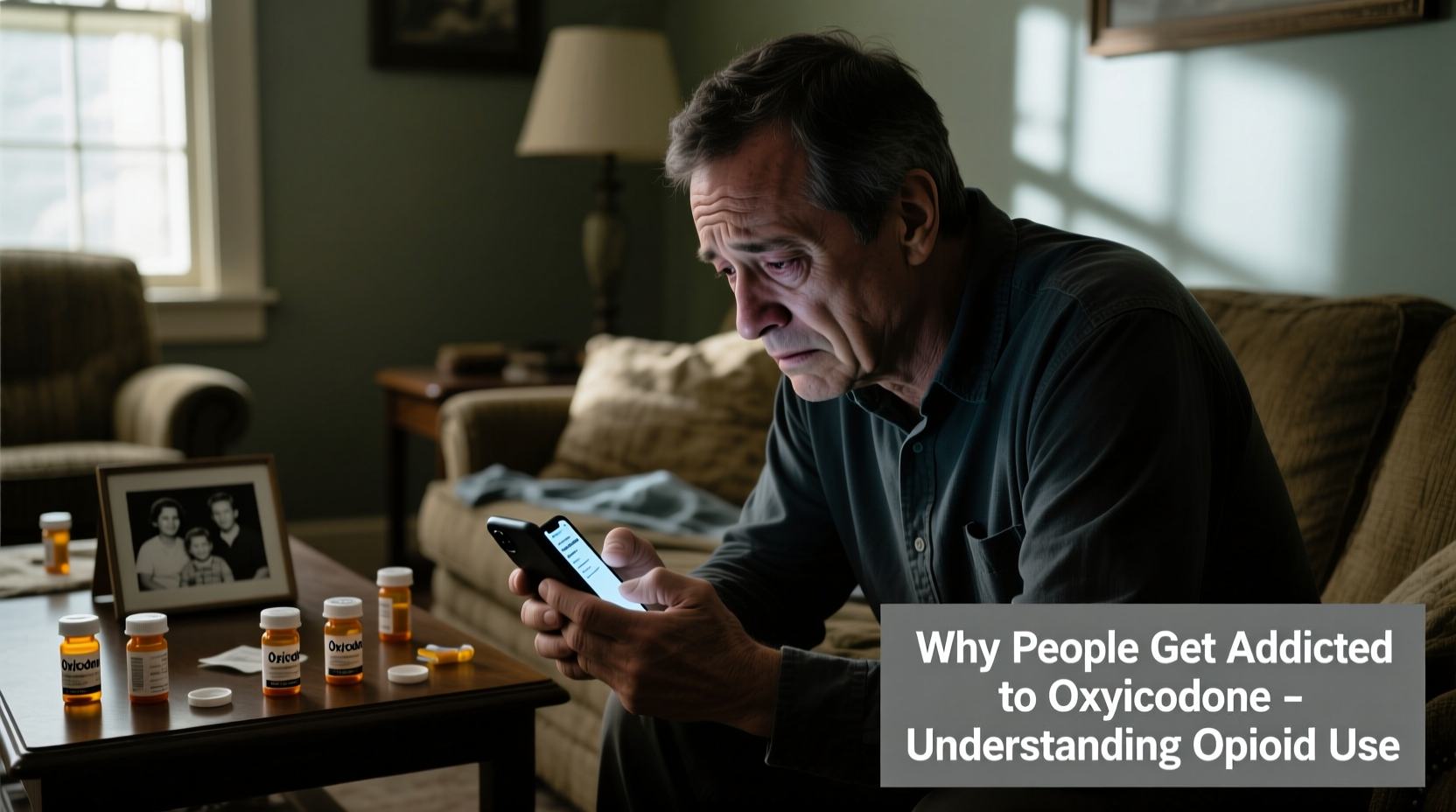
Oxycodone belongs to the class of drugs known as opioids, which work by binding to specific receptors in the brain, spinal cord, and other areas of the body. These opioid receptors—primarily mu-opioid receptors—modulate pain signals and influence emotional responses. When oxycodone attaches to these receptors, it reduces the perception of pain and often triggers a surge of dopamine, a neurotransmitter associated with pleasure and reward.
This dopamine release creates a sense of euphoria, especially in higher doses or when taken outside medical supervision. Over time, repeated activation of this reward pathway can rewire the brain’s motivation system. The brain begins to associate oxycodone use with intense pleasure, leading to compulsive drug-seeking behavior despite negative consequences.
“Opioids like oxycodone don’t just relieve pain—they hijack the brain’s natural reward circuitry, making addiction not a moral failing but a neurological condition.” — Dr. Sarah Lin, Neuropharmacologist at Johns Hopkins University
Tolerance develops quickly: users require higher doses to achieve the same effect. Physical dependence follows, meaning the body adapts to the presence of the drug. When use stops, withdrawal symptoms such as muscle aches, nausea, anxiety, and insomnia emerge, reinforcing continued use to avoid discomfort.
Key Risk Factors for Oxycodone Addiction
Addiction does not discriminate, but certain factors increase vulnerability. Recognizing these can help identify at-risk individuals before dependency takes hold.
- History of chronic pain: Long-term prescriptions for conditions like back injuries or arthritis increase exposure and opportunity for misuse.
- Previous substance use: Individuals with alcohol, benzodiazepine, or other drug dependencies are more susceptible.
- Mental health disorders: Depression, PTSD, anxiety, and bipolar disorder correlate strongly with opioid misuse.
- Genetic predisposition: Family history of addiction can indicate inherited neurochemical sensitivities.
- Social environment: Lack of support, trauma, unemployment, or peer pressure can drive self-medication.
How Addiction Develops: A Step-by-Step Timeline
Addiction rarely happens overnight. It typically progresses through identifiable stages:
- Medical Use (Weeks 1–4): Patient receives oxycodone after surgery or injury. Pain relief is effective; mild euphoria may be noticed.
- Increased Tolerance (Weeks 5–12): Original dose becomes less effective. Some patients begin taking extra pills without consulting a doctor.
- Escalation and Misuse (Months 3–6): Doses increase, frequency rises, or methods change (e.g., crushing pills to snort). Cravings develop.
- Dependence (Month 6+): Body relies on oxycodone to function normally. Withdrawal symptoms appear during missed doses.
- Addiction (6+ months): Compulsive use continues despite harm to health, relationships, or job. Attempts to quit fail without support.
This progression underscores why early monitoring and patient education are critical. Even responsible use can transition into dependence due to the drug’s potent effects on brain chemistry.
Common Misconceptions About Opioid Use
Public misunderstanding often hinders compassionate care. Below are myths versus facts:
| Myth | Fact |
|---|---|
| \"Only people who abuse drugs become addicted.\" | Many patients become dependent through legitimate prescriptions. Addiction is a medical condition, not a character flaw. |
| \"If I take it as prescribed, I won’t get addicted.\" | Even medically supervised use carries risk, especially beyond 30 days. CDC guidelines now recommend caution after one week. |
| \"Stopping cold turkey is the best way.\" | Unsupervised detox can be dangerous. Medication-assisted treatment (MAT) improves safety and success rates. |
| \"Addiction treatment just replaces one drug with another.\" | MAT uses medications like buprenorphine or methadone to stabilize brain function, allowing recovery to take root. |
Real-Life Example: The Case of James R.
James, a 42-year-old construction worker, injured his lower back lifting heavy materials. His doctor prescribed oxycodone for six weeks. Initially, he followed the dosage exactly. By week five, the pain had improved, but he noticed he felt unusually anxious and irritable when it was time for his next dose.
He began taking an extra half-pill “just to stay comfortable.” Within two months, he was taking double the prescribed amount. When his doctor refused to renew the prescription, James turned to buying pills from a friend. He lost his job, withdrew from family, and eventually sought help after a near-overdose.
James’s story reflects a common trajectory: therapeutic use → tolerance → escalation → dependence → addiction. With counseling and buprenorphine treatment, he has been in recovery for over a year. “I didn’t think it could happen to me,” he says. “But once your brain changes, willpower isn’t enough.”
Evidence-Based Treatment and Recovery Options
Recovery from oxycodone addiction is possible with comprehensive care. Effective approaches include:
- Medication-Assisted Treatment (MAT): Buprenorphine, methadone, or naltrexone reduce cravings and withdrawal symptoms.
- Behavioral therapy: Cognitive Behavioral Therapy (CBT) helps patients recognize triggers and develop coping strategies.
- Inpatient or outpatient rehab: Structured programs provide medical supervision and peer support.
- Support groups: Narcotics Anonymous (NA) and SMART Recovery offer community and accountability.
Checklist: Steps to Take if You or a Loved One May Be Struggling
- Recognize the signs: increased dosage, secrecy, mood swings, neglecting responsibilities.
- Consult a healthcare provider about tapering or MAT options.
- Contact a licensed addiction counselor or treatment center.
- Involve trusted family members in support planning.
- Explore long-term recovery programs, not just detox.
- Remove unused medications safely through pharmacy take-back programs.
Frequently Asked Questions
Can you become addicted to oxycodone after just one prescription?
While full addiction is unlikely after short-term use, physical dependence can begin within days. The risk increases significantly after two weeks of continuous use. That’s why doctors are advised to prescribe the lowest effective dose for the shortest duration.
What’s the difference between dependence and addiction?
Dependence means the body has adapted to the drug and experiences withdrawal without it. Addiction involves compulsive use despite harm, loss of control, and psychological craving. Someone can be dependent without being addicted—though the two often coexist.
Is recovery from oxycodone addiction possible?
Yes. With proper treatment, many people achieve long-term recovery. Success rates improve with early intervention, access to MAT, and ongoing psychosocial support. Recovery is a journey, not a single event.
Conclusion: Taking Action Toward Healing
Understanding why people get addicted to oxycodone is the first step toward breaking the cycle of opioid dependence. This addiction stems not from weakness, but from powerful interactions between chemistry, psychology, and circumstance. Education, empathy, and evidence-based care are essential tools in addressing this crisis.
If you or someone you care about is struggling with opioid use, know that help exists. Speak to a medical professional, reach out to a treatment center, or call a confidential helpline. Recovery is not only possible—it is happening every day. Your story doesn’t have to end in silence.




 浙公网安备
33010002000092号
浙公网安备
33010002000092号 浙B2-20120091-4
Comments
No comments yet. Why don't you start the discussion?