
Weeds are often seen as the enemy of every gardener and landscaper. They pop up uninvited, spread quickly, and compete with cultivated plants for nutrients, water, and sunlight. But not all weeds are inherently bad. While removal is sometimes necessary, there are also compelling reasons to tolerate—or even welcome—certain weeds in your yard or garden. Understanding when to pull and when to pause can lead to a healthier, more sustainable landscape.
The Case for Removing Weeds
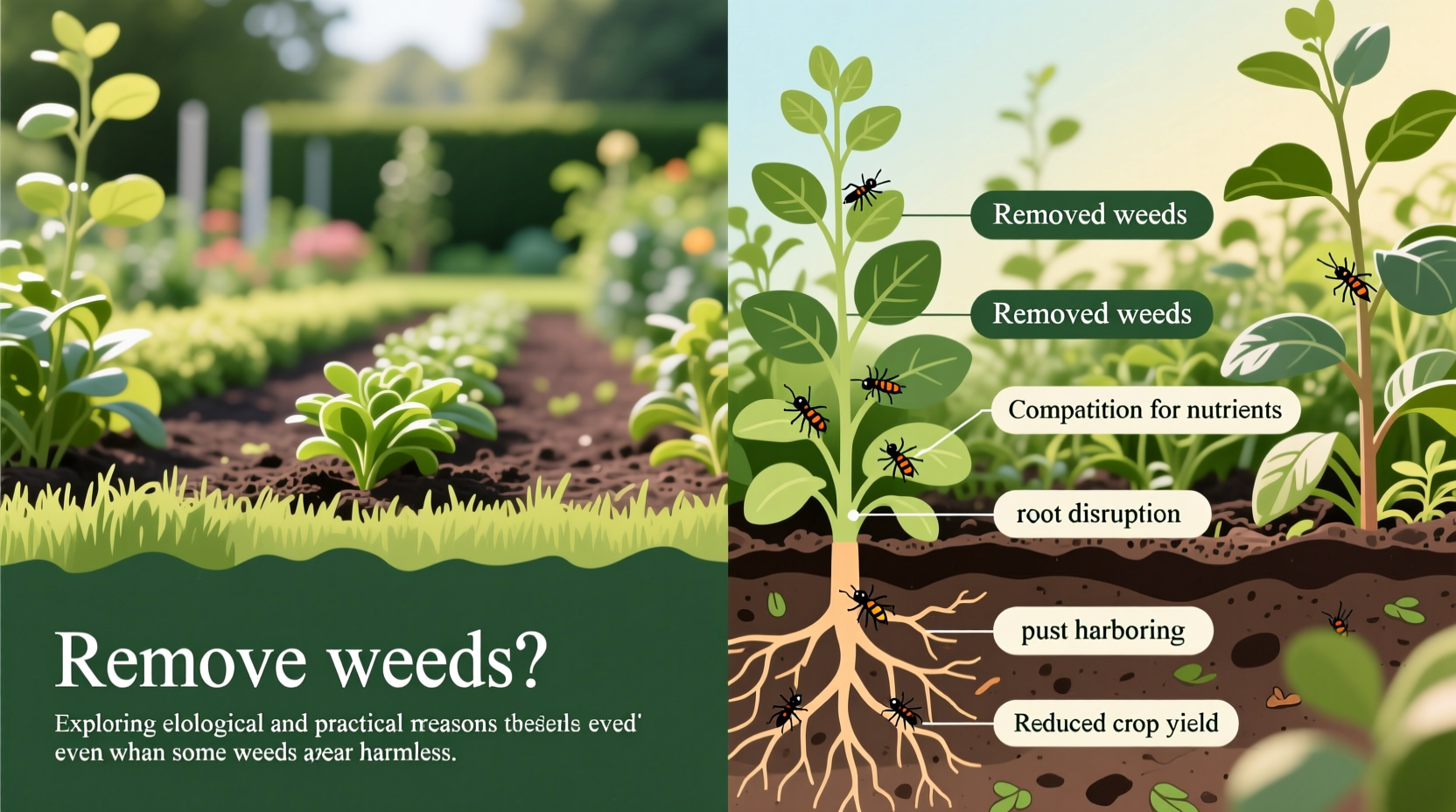
There are well-documented reasons why weed control remains a cornerstone of gardening and agriculture. Left unchecked, invasive species can overtake flower beds, choke out vegetables, and reduce crop yields. Some weeds are particularly aggressive, spreading through deep root systems or prolific seeding that makes eradication difficult once established.
- Resource competition: Weeds absorb water, nitrogen, phosphorus, and potassium that could otherwise support desired plants.
- Disease and pest harboring: Certain weeds act as hosts for fungi, insects, and viruses that can spread to crops and ornamentals.
- Aesthetic disruption: In formal gardens or lawns, weeds can create an unkempt appearance that detracts from design intent.
- Allergen production: Plants like ragweed produce high volumes of pollen, contributing to seasonal allergies.
- Invasiveness: Species such as Japanese knotweed or bindweed can damage infrastructure and displace native flora.
When It’s Okay (Even Beneficial) to Leave Weeds
Not all spontaneous vegetation is detrimental. Many so-called weeds provide ecological services that support biodiversity, soil health, and pollinator populations. In permaculture and regenerative gardening, some “weeds” are reclassified as pioneer species—nature’s first responders to disturbed soil.
For example, dandelions have deep taproots that break up compacted soil and bring up nutrients like calcium from deeper layers. Their bright yellow flowers are among the earliest food sources for bees in spring. Similarly, clover fixes nitrogen in the soil, naturally fertilizing surrounding grasses without synthetic inputs.
“Plants we call weeds are often indicators of soil conditions and can play vital roles in ecosystem recovery.” — Dr. Laura Bennett, Soil Ecologist at Oregon State University
Ecological Benefits of Tolerating Certain Weeds
| Weed Type | Benefit | Caution |
|---|---|---|
| Dandelion | Deep nutrient cycling, pollinator support | Spreads rapidly in lawns if not mowed before seeding |
| Chickweed | Ground cover that prevents erosion, edible green | Can smother low-growing plants in moist conditions |
| White Clover | Nitrogen fixation, drought-tolerant ground cover | May dominate thin lawns if grass is weak |
| Plantain (broadleaf) | Soil compaction indicator, medicinal uses | Unattractive in manicured lawns |
Step-by-Step Guide to Smart Weed Management
Rather than adopting an all-out war on weeds, consider a strategic approach that balances aesthetics, ecology, and effort. Follow this timeline to make informed decisions throughout the growing season.
- Spring Assessment: Walk your property and identify emerging plants. Use a field guide or app to distinguish between invasive species and benign or beneficial ones.
- Prioritize Removal: Target known invasives (e.g., garlic mustard, thistle) early, especially before flowering.
- Evaluate Density: Sparse dandelions in a lawn may be tolerable; dense patches competing with vegetables should be removed.
- Mow Strategically: For non-invasive flowering weeds, mow just before seed set to limit spread while still supporting pollinators.
- Fall Cleanup: Remove annual weeds that have gone to seed and add them to hot compost (avoid cold piles, which may not kill seeds).
- Winter Planning: Map persistent problem areas and plan soil improvement or ground cover planting for next season.
Mini Case Study: The Suburban Lawn That Embraced Clover
Mark and Elena Rivera, homeowners in Ann Arbor, Michigan, spent years battling their lawn with herbicides and frequent reseeding. Frustrated by patchy grass and high maintenance, they consulted a local extension agent who suggested reducing chemical use and allowing white clover to fill in thin areas.
They stopped applying broad-spectrum weed killers and instead encouraged clover by overseeding with microclover. Within two seasons, their lawn became greener with less watering. Bees visited the tiny flowers in early summer, and fertilizer needs dropped significantly due to natural nitrogen fixation. While they still hand-pull thistles and dandelions near walkways, they now mow dandelions in the backyard before they seed rather than eliminating them entirely.
Their experience reflects a growing trend: shifting from eradication to coexistence with certain resilient, low-impact plants.
Checklist: When to Remove vs. When to Keep Weeds
- ✅ Remove if the plant is listed as invasive in your region.
- ✅ Remove if it’s directly competing with young seedlings or food crops.
- ✅ Remove if it causes allergies (e.g., ragweed) or skin irritation (e.g., giant hogweed).
- ✅ Keep if it provides pollinator resources and isn’t spreading aggressively.
- ✅ Keep if it stabilizes bare soil on slopes or in garden pathways.
- ✅ Keep if it’s edible or has medicinal value (e.g., purslane, chickweed).
- ✅ Monitor if uncertain—observe for one season before deciding.
Frequently Asked Questions
Are all weeds harmful to gardens?
No. While some weeds are highly competitive or invasive, others improve soil structure, attract beneficial insects, or serve as living mulch. The key is identifying the species and assessing its impact in context.
Can weeds indicate soil problems?
Yes. Dandelions often appear in compacted soils, sorrel suggests acidity, and creeping charlie thrives in shady, damp areas. Observing weed types can offer clues about underlying soil conditions needing correction.
Is it safe to let weeds grow near vegetable gardens?
It depends. Low-growing, non-competitive weeds like chickweed may be harmless in moderation. However, tall or aggressive species (e.g., pigweed, morning glory) should be removed to prevent shading and nutrient theft from crops.
Conclusion: Rethinking Our Relationship with Weeds
The blanket assumption that all weeds must be eliminated is outdated. Modern ecological understanding encourages a more nuanced approach—one that weighs the costs and benefits of each plant in its specific environment. By learning to identify which weeds pose real threats and which offer hidden advantages, gardeners can reduce labor, enhance biodiversity, and support healthier ecosystems.
Smart weed management isn’t about perfection; it’s about balance. Whether you’re maintaining a pristine lawn or cultivating a wildlife-friendly yard, the goal should be stewardship, not domination. Observe, evaluate, and intervene only when necessary.




 浙公网安备
33010002000092号
浙公网安备
33010002000092号 浙B2-20120091-4
Comments
No comments yet. Why don't you start the discussion?