
Los Angeles has a long and complex history with civil unrest, protests, and public demonstrations. From the Watts Uprising in 1965 to the 1992 Rodney King riots and recent Black Lives Matter protests, the city has repeatedly found itself at the center of national conversations about race, policing, and social justice. Understanding why riots and protests occur in LA requires examining deep-rooted systemic issues, economic disparities, and moments of acute tension. This article explores the underlying causes, key triggers, and the current state of protest activity in Los Angeles.
Historical Context: A Legacy of Tension
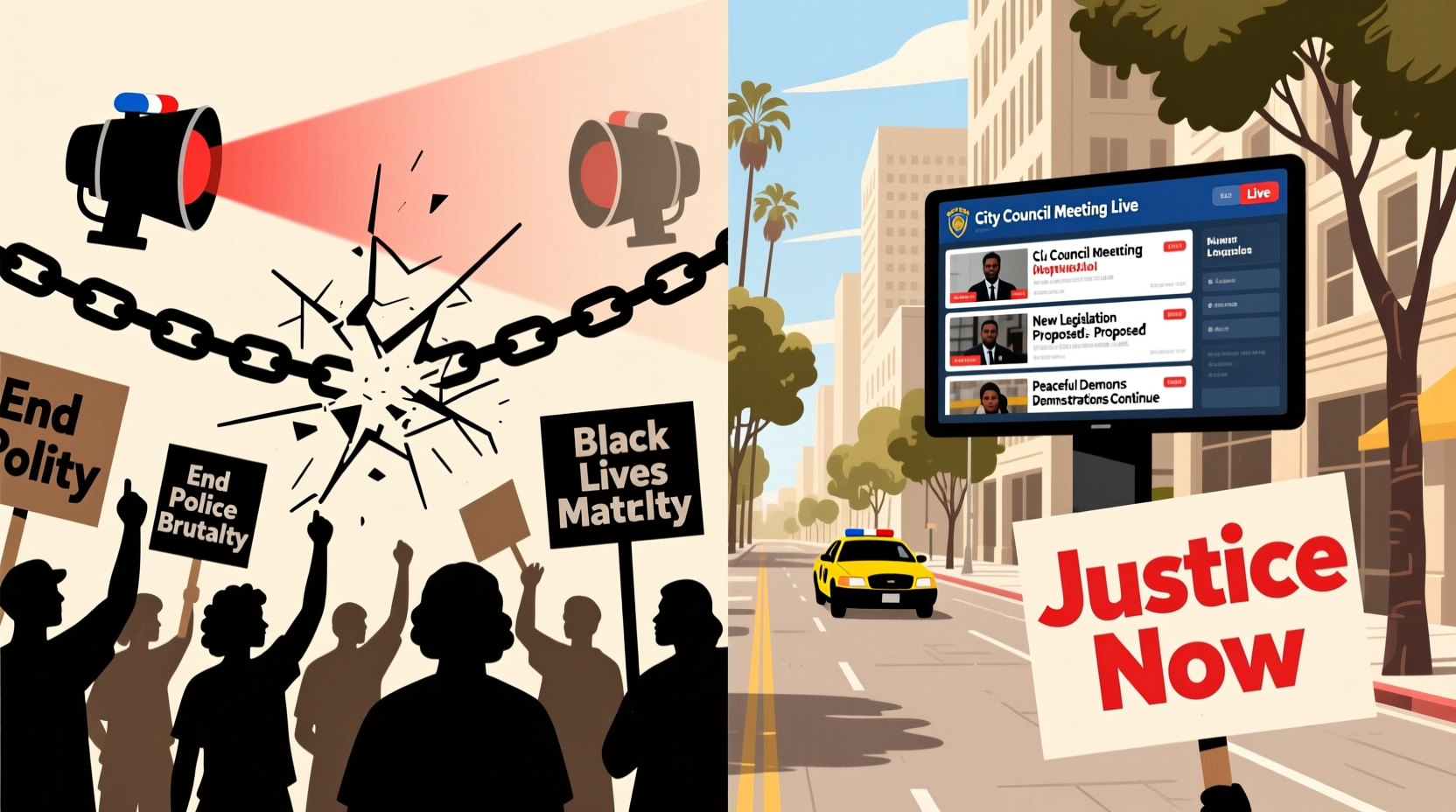
Los Angeles is not a stranger to civil unrest. The city’s demographic diversity, combined with stark economic inequality and a legacy of discriminatory policies, has created conditions where protests and riots have periodically erupted. The most notable incidents include:
- 1965 Watts Uprising: Sparked by the arrest of Marquette Frye, a Black motorist, this six-day rebellion resulted in 34 deaths and over $40 million in property damage. It highlighted widespread frustration with police brutality, unemployment, and poor housing.
- 1992 Los Angeles Riots: Following the acquittal of four LAPD officers in the beating of Rodney King, massive protests turned violent. Over 60 people died, thousands were injured, and more than 1,000 buildings were destroyed.
- 2020 George Floyd Protests: After the murder of George Floyd in Minneapolis, LA became one of many cities with sustained protests against racial injustice and police violence. While largely peaceful, some demonstrations escalated into clashes with law enforcement.
Each of these events was rooted in a broader pattern of institutional neglect and racial inequity. As Dr. Robin D.G. Kelley, historian and professor at UCLA, notes:
“Protests in Los Angeles are not spontaneous outbursts—they are symptoms of decades of disinvestment, over-policing, and broken promises.” — Dr. Robin D.G. Kelley, UCLA Department of History
Root Causes Behind Modern Protests and Riots
While specific incidents often serve as flashpoints, the underlying causes of unrest in LA are structural and multifaceted. Key factors include:
Economic Inequality
Los Angeles has one of the highest income gaps in the United States. Neighborhoods like Beverly Hills and Downtown LA exist in stark contrast to South Central and East LA, where poverty rates exceed 20%. Limited access to quality education, healthcare, and employment fuels resentment and disillusionment.
Racial and Police Tensions
The LAPD has a controversial history, including the Rampart scandal and repeated allegations of excessive force. Communities of color, particularly Black and Latino residents, report higher levels of police stops and use-of-force incidents. According to a 2023 UCLA study, Black Angelenos are nearly three times more likely to be stopped by police than white residents, despite similar crime rates.
Housing Instability and Homelessness
With over 46,000 people experiencing homelessness in LA County, housing insecurity remains a critical issue. Gentrification in areas like Boyle Heights and Leimert Park has displaced long-time residents, further straining community trust in local government.
Perceived Lack of Accountability
When incidents of police misconduct occur, many communities feel that investigations are slow, biased, or inconclusive. The absence of swift accountability often amplifies public anger, turning peaceful protests into volatile situations.
What’s Happening Now: Current Protest Landscape (2023–2024)
In recent months, Los Angeles has seen renewed protest activity driven by several overlapping issues:
- Police-related incidents: The 2023 shooting of Keenan Anderson, a high school English teacher and cousin of Black Lives Matter co-founder Patrisse Cullors, sparked widespread outrage after video showed multiple officers restraining him with a Taser. Protests followed outside LAPD headquarters.
- Homelessness policy debates: City Council efforts to criminalize sleeping in vehicles and expand sweeps of encampments have drawn criticism from advocacy groups and triggered rallies across Skid Row and Venice Beach.
- Immigrant rights: ICE raids and federal immigration enforcement actions have prompted solidarity marches, especially in heavily Latino neighborhoods like Pacoima and Huntington Park.
Unlike past uprisings, today’s protests are often decentralized and organized through social media. While some remain peaceful—focusing on voter registration, policy reform, and mutual aid—others have involved confrontations with police, particularly during nighttime marches downtown.
Law Enforcement Response
The LAPD has adopted a dual approach: engaging with community leaders while maintaining a visible presence during demonstrations. However, the use of crowd control tactics such as tear gas, rubber bullets, and kettling continues to draw criticism from civil rights groups like the ACLU of Southern California.
“We support the right to protest, but protecting public safety is paramount,” said LAPD Chief Michel Moore in a January 2024 press briefing. “Our officers are trained to de-escalate, but we will act decisively when laws are broken.”
Do’s and Don’ts During Civil Unrest
| Do’s | Don’ts |
|---|---|
| Stay updated via official city alerts and reputable news outlets | Assume all protests are violent or unlawful |
| Follow evacuation orders or curfews if issued | Confront protesters or engage in online harassment |
| Support local businesses affected by unrest | Spread unverified videos or rumors on social media |
| Attend peaceful demonstrations with proper identification | Ignore safety warnings or travel into active protest zones unnecessarily |
Mini Case Study: The Echo Park Lake Protests (2021)
In early 2021, the city’s plan to renovate Echo Park Lake—which included removing homeless encampments—sparked weeks of protests. Activists argued that clearing the area without providing permanent housing alternatives amounted to criminalizing homelessness.
Over 100 arrests were made during a single weekend after police moved in to clear the park. Video footage of officers using batons and making mass detentions circulated widely, prompting city council members to call for an internal review.
The incident led to a temporary halt in encampment sweeps and increased funding for outreach programs. It also demonstrated how localized issues can quickly escalate into citywide debates about equity and public space.
How to Stay Safe and Informed
If you live in or near Los Angeles, understanding how to navigate periods of unrest is essential. Here’s a step-by-step guide:
- Monitor official channels: Sign up for LA County’s AlertLA system and follow @NotifyLACounty on social media.
- Know your rights: If attending a protest, carry ID, avoid wearing masks if they’re restricted, and record interactions with police (legally allowed in public).
- Prepare an emergency kit: Include water, first aid supplies, N95 masks (for tear gas), and a battery-powered radio.
- Support community efforts: Donate to mutual aid networks like the LA Mutual Aid Network or volunteer with groups providing food and legal support.
- Engage constructively: Attend city council meetings, sign petitions, and advocate for policy changes rather than reacting emotionally to isolated incidents.
Frequently Asked Questions
Are all protests in LA violent?
No. The vast majority of protests in Los Angeles are peaceful. Media coverage often focuses on isolated incidents of violence, but most demonstrations involve lawful assembly, chanting, signage, and organized marches.
What should I do if I’m near a riot?
Leave the area calmly and avoid confrontation. Do not run, as this may attract attention. Seek shelter in a nearby business or public building if safe. Avoid posting real-time location updates on social media.
Is there a curfew during protests?
Curfews are imposed only during extreme civil unrest, such as in 1992 or during the early days of the pandemic. As of 2024, no standing curfew exists. Always check official announcements from the Mayor’s Office or LAPD for updates.
Conclusion: Moving Toward Lasting Change
Riots and protests in Los Angeles are not random acts of chaos—they are expressions of deep-seated grievances that demand attention. While immediate triggers may vary, the root causes persist: systemic inequality, lack of trust in institutions, and unequal access to opportunity.
Addressing these issues requires more than short-term solutions. It demands investment in communities, transparent policing, affordable housing, and inclusive policymaking. As residents, staying informed, advocating for justice, and supporting grassroots organizations are powerful ways to contribute to meaningful change.




 浙公网安备
33010002000092号
浙公网安备
33010002000092号 浙B2-20120091-4
Comments
No comments yet. Why don't you start the discussion?