
Sunscreen is a critical component of daily skin care, helping prevent sunburn, premature aging, and skin cancer. Among the many available formats—lotions, sticks, gels, and sprays—spray sunscreens have gained popularity for their convenience. They promise quick, mess-free application, especially useful for hard-to-reach areas or on children. However, growing evidence suggests that spray sunscreens come with significant drawbacks. From inhalation risks to inconsistent coverage and environmental impact, experts increasingly advise caution. Understanding these concerns empowers consumers to make safer, more effective choices in sun protection.
Health Risks of Inhalation
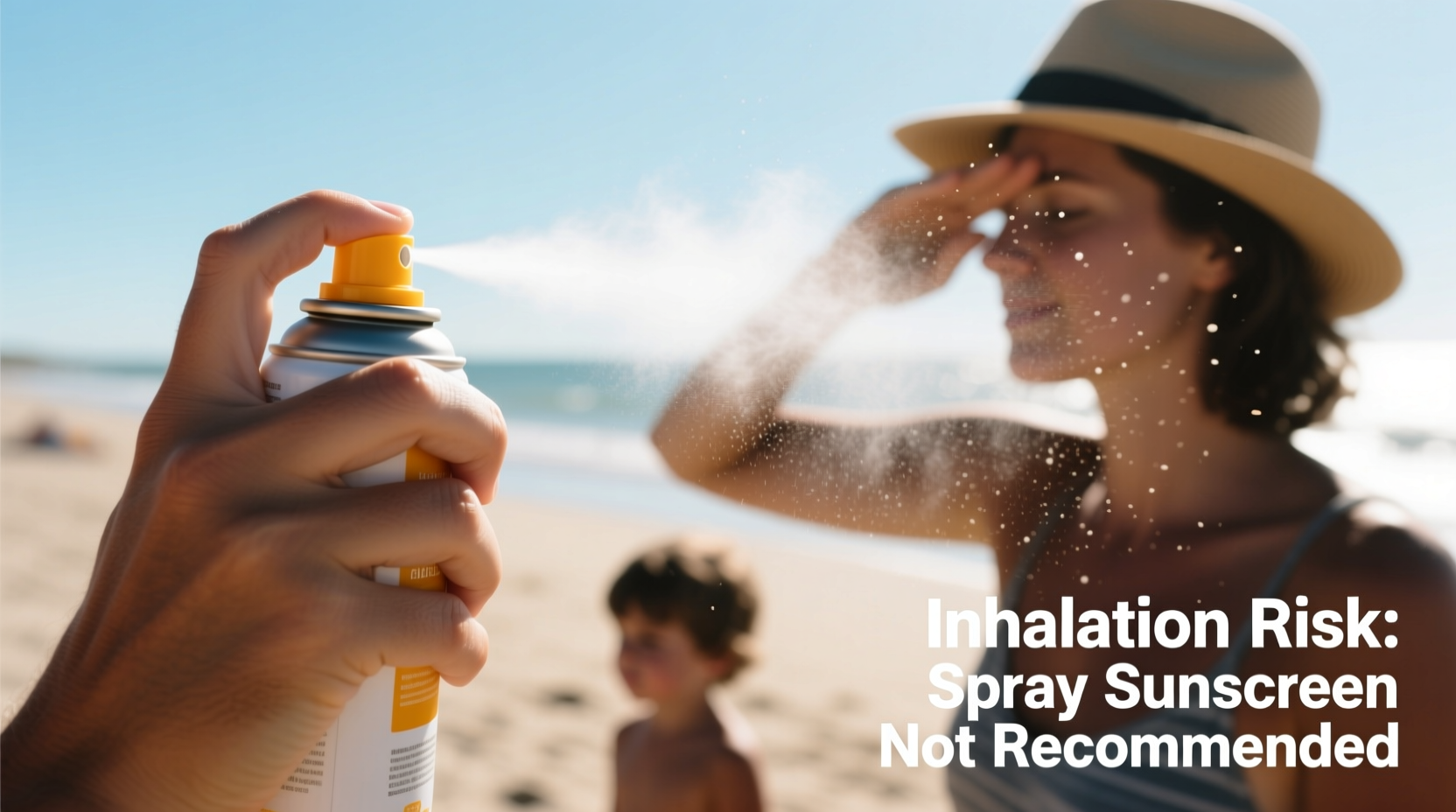
One of the most serious issues with spray sunscreens is the risk of inhaling chemical ingredients during application. When sprayed, especially in windy or enclosed spaces, aerosolized particles can enter the lungs. Many spray sunscreens contain active ingredients like oxybenzone, avobenzone, and octinoxate, along with propellants such as butane, propane, or isobutane. Inhaling these substances may irritate the respiratory tract and trigger asthma attacks or other breathing difficulties, particularly in children and individuals with pre-existing lung conditions.
The U.S. Food and Drug Administration (FDA) has expressed concern about the safety of inhaling sunscreen chemicals, noting that there is insufficient data to confirm long-term safety. In 2021, the FDA urged manufacturers to provide additional toxicology data on inhalation exposure, highlighting potential risks including lung inflammation and systemic absorption through the respiratory system.
Inconsistent and Inadequate Coverage
Another major drawback of spray sunscreens is inconsistent application. Unlike lotions, which allow you to see and feel where the product is being applied, sprays can create a false sense of security. A light mist may appear sufficient, but it often fails to deliver the necessary thickness for proper UV protection. The American Academy of Dermatology recommends using about one ounce (a shot glass full) of sunscreen to cover the entire body—but measuring this with a spray is nearly impossible.
Studies have shown that people typically apply only 25% to 50% of the recommended amount when using sprays, significantly reducing the SPF effectiveness. For example, an SPF 50 spray applied too thinly might offer protection closer to SPF 10 or lower. Missed spots are common, especially on windy days or when applying quickly.
“Spray sunscreens are convenient, but they’re often under-applied. You need to rub them in thoroughly after spraying to ensure even coverage.” — Dr. Lisa Rodriguez, Board-Certified Dermatologist
Flammability Hazards
Many spray sunscreens contain flammable propellants such as alcohol, butane, and propane. While safe under normal use, they pose a fire risk if used near open flames, grills, or while smoking. There have been documented cases of severe burns occurring when individuals applied spray sunscreen and then came into contact with heat sources shortly afterward—even from sitting too close to a campfire.
The FDA has issued warnings about the flammability of aerosol sunscreens, emphasizing that users should avoid heat, flame, and smoking until the product is completely dry. This is particularly concerning for outdoor activities where both sun exposure and fire sources (like barbecues or bonfires) are present.
Common Flammable Ingredients in Spray Sunscreens
| Ingredient | Purpose | Risk Level |
|---|---|---|
| Butane | Propellant | High – highly flammable |
| Propane | Propellant | High – highly flammable |
| Isobutane | Propellant | High – flammable gas |
| Alcohol (ethanol) | Solvent/carrier | Moderate – flammable liquid |
Environmental Impact
Beyond personal health, spray sunscreens contribute to environmental degradation. When sprayed, fine particles disperse into the air and eventually settle into water systems. Chemicals like oxybenzone and octinoxate have been shown to harm coral reefs, contributing to bleaching and disrupting marine ecosystems. These ingredients are so damaging that places like Hawaii, Key West, and Palau have banned sunscreens containing them.
Sprays also generate more waste per unit of protection. The aerosol canisters are often not recyclable due to residual pressure and mixed materials, leading to higher landfill contributions compared to pump bottles or tubes. Additionally, overspray means more product ends up in the environment rather than on the skin.
Children and Spray Sunscreens: A Risky Combination
Parents often turn to spray sunscreens for ease of use on active children. However, this convenience comes at a cost. Children’s developing respiratory systems are more vulnerable to inhaled chemicals. Their tendency to move around during application increases the likelihood of missing spots and inhaling the mist. Pediatric dermatologists generally recommend avoiding spray sunscreens for young children altogether.
In a real-world scenario, a family of four applied spray sunscreen at the beach before swimming. The two children, ages 4 and 7, began coughing shortly after application. One developed mild wheezing by midday. After visiting a pediatrician, the doctor attributed the symptoms to possible inhalation of sunscreen particles. The family switched to a fragrance-free mineral lotion for future outings, resulting in no further issues.
Step-by-Step Guide to Safer Sun Protection
- Choose a non-aerosol sunscreen: Opt for lotions, creams, or sticks with SPF 30 or higher.
- Select mineral-based formulas: Look for zinc oxide or titanium dioxide, which sit on the skin and are less likely to cause irritation.
- Apply generously and evenly: Use enough to cover all exposed skin—about one ounce for adults.
- Rub in thoroughly: If using a spray, always spray into hands first, then massage onto the skin.
- Reapply every two hours: Or immediately after swimming, sweating, or towel drying.
- Use protective clothing: Wear wide-brimmed hats, UV-blocking sunglasses, and UPF-rated clothing to reduce reliance on sunscreen alone.
Checklist: Choosing a Safer Sunscreen
- ☐ Avoid aerosol sprays, especially for children
- ☐ Check for reef-safe ingredients (no oxybenzone or octinoxate)
- ☐ Prefer mineral (physical) sunscreens over chemical ones
- ☐ Ensure broad-spectrum protection (UVA and UVB)
- ☐ Verify expiration date and storage conditions
- ☐ Patch test new products to check for skin reactions
Frequently Asked Questions
Can I use spray sunscreen if I’m careful?
You can, but with precautions. Spray in a well-ventilated area, never directly on the face, and always rub the product in to ensure even coverage. Avoid using it around open flames or high heat. For children, non-spray options are strongly preferred.
Are all spray sunscreens dangerous?
Not inherently dangerous when used correctly, but they carry higher risks than lotions. The convenience often leads to misuse—under-application, inhalation, or flammability incidents. For most people, safer and more reliable alternatives exist.
What are the best alternatives to spray sunscreen?
Mineral-based lotions or sticks containing zinc oxide or titanium dioxide are excellent choices. They provide immediate protection, are less likely to irritate sensitive skin, and don’t pose inhalation risks. Creams are also easier to measure and apply evenly.
Conclusion
Spray sunscreens may seem like the easiest option for sun protection, but their risks often outweigh the benefits. Inhalation hazards, inconsistent coverage, flammability, and environmental damage make them a less-than-ideal choice for most users. By switching to lotions, sticks, or mineral-based formulas, you gain better control over application, improved safety, and greater peace of mind. Sun protection is essential—but it shouldn’t come at the cost of your health or the planet’s well-being.




 浙公网安备
33010002000092号
浙公网安备
33010002000092号 浙B2-20120091-4
Comments
No comments yet. Why don't you start the discussion?