
The image is iconic: a wooden stake driven through a vampire’s heart, silencing the creature in a final, decisive act. From Bram Stoker’s *Dracula* to contemporary horror films, this method has become synonymous with vampire destruction. But where did this idea originate? Why wood? Why the heart? And how did a rural superstition evolve into a global cultural staple? The answers lie deep within centuries-old folklore, religious beliefs, and the human need to combat the unknown with tangible rituals.
The Origins of Vampire Lore in Eastern Europe
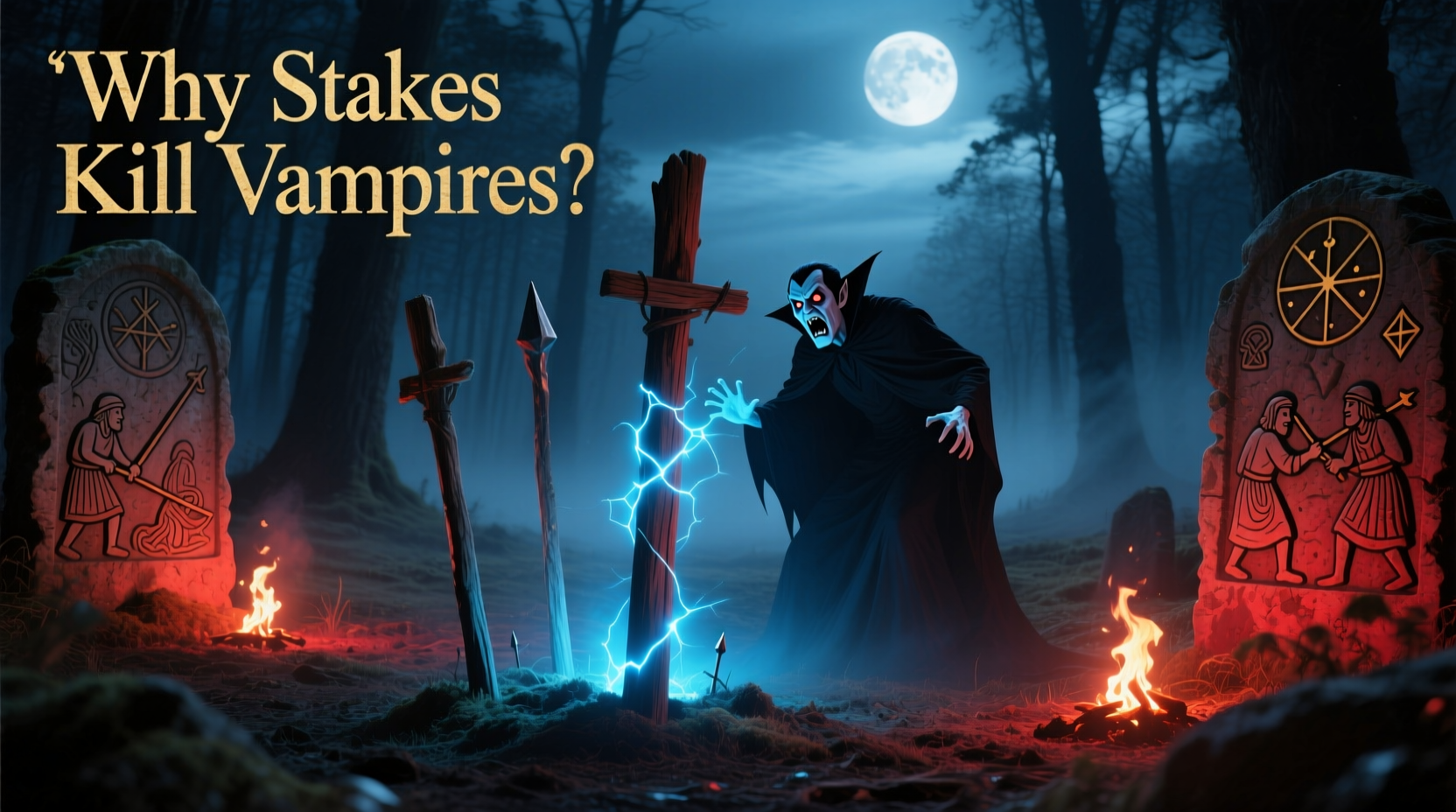
Vampire legends are not inventions of Gothic fiction but rooted in real fears that plagued Eastern European communities for generations. In regions like the Balkans, Transylvania, and Slavic territories, reports of “undead” individuals rising from graves were taken seriously well into the 18th century. These accounts often described corpses that appeared unnaturally preserved, with bloated bodies, fresh blood around the mouth, or nails and hair that seemed to have grown post-mortem—natural decomposition processes misunderstood at the time.
To prevent these beings from returning, villagers employed various methods: decapitation, burning, and burying bodies face-down. But one of the most persistent practices was driving a stake through the body—typically the chest or abdomen. This wasn’t always meant to be lethal in a biological sense; rather, it served as a spiritual anchor, pinning the soul to the earth and preventing it from wandering.
“Staking was less about anatomy and more about symbolism—it was a way to reassert control over death.” — Dr. Elena Petrović, Folklorist and Historian of Balkan Mythology
Why Wood? The Symbolism Behind the Stake
Of all materials, why was wood—particularly ash, hawthorn, or oak—the preferred choice? Unlike silver (used later for werewolves) or fire, wood carried layered spiritual significance. In pre-Christian pagan traditions across Europe, certain trees were seen as sacred, possessing purifying or protective qualities. Ash, for instance, was associated with Yggdrasil, the World Tree in Norse mythology, believed to connect realms of life and death.
In Slavic belief, hawthorn was thought to repel evil spirits. Oak, revered for its strength and longevity, symbolized endurance against corruption. Driving a stake made from such wood into a suspected vampire’s body was thus not merely physical but ritualistic—a consecrated object used to disrupt supernatural forces.
The Heart: Center of Life and Corruption
While early staking often targeted the abdomen (believed to be the seat of decay and resurrection), the focus gradually shifted to the heart. This transition coincided with evolving medical understanding and Christian theology, which positioned the heart as the center of the soul. A corrupted heart, then, could symbolize moral decay—perfect for a creature that fed on the living.
Bram Stoker cemented this idea in *Dracula* (1897), where Professor Van Helsing instructs his companions to drive a sanctified wooden stake through the Count’s heart. Stoker drew from documented cases like that of Peter Plogojowitz, a Serbian man exhumed in 1725 with fresh blood in his mouth. Villagers had driven a hawthorn stake through his chest to stop further deaths. Stoker transformed such accounts into narrative drama, aligning the stake with both scientific rigor and spiritual warfare.
| Era | Stake Target | Rationale |
|---|---|---|
| Pre-1700s | Abdomen/Stomach | Prevent bloating and movement; stop \"feeding\" |
| 1700–1850 | Chest/General | Anchor the corpse; deter return |
| Post-Stoker (1897+) | Heart | Spiritual purification; symbolic destruction of evil |
From Folk Practice to Pop Culture Trope
The vampire stake evolved from a regional burial custom into a cinematic shorthand. Early 20th-century films, inspired by Stoker’s novel, adopted the heart-stake method for its dramatic clarity. It offered a clean, visual climax—wood piercing flesh, the vampire crumbling to dust. Over time, the ritual became codified: the stake must be wooden, aimed at the heart, and often blessed.
Yet modern interpretations sometimes subvert tradition. In *Blade*, stakes are used alongside high-tech weapons. In *True Blood*, stakes are common but not always fatal—vampires can regenerate. These variations reflect changing audience expectations: while the stake remains symbolic, its power now depends on context, belief, and narrative rules.
A Real Example: The Case of Mercy Brown
In 1892, in Exeter, Rhode Island, a tuberculosis outbreak led locals to suspect vampirism. When 19-year-old Mercy Brown died, her family exhumed her body months later, finding liquid blood in her heart. Believing she was feeding on her surviving kin, they burned her heart and mixed the ashes into a tonic for her brother. Though no stake was used, the event shows how deeply these beliefs persisted—even in America—and how the act of piercing or destroying the heart was central to stopping supernatural harm.
How to Depict Vampires Authentically: A Writer’s Checklist
For creators drawing from vampire lore, understanding the roots of staking adds depth. Use this checklist to ensure your portrayal respects historical context while allowing creative freedom:
- ✓ Research regional vampire myths before choosing stake material
- ✓ Decide whether the stake is symbolic, spiritual, or physically destructive
- ✓ Consider if the heart is the true target—or if other organs hold significance
- ✓ Determine if blessings, rituals, or specific tools enhance effectiveness
- ✓ Avoid treating staking as universally instant—some folklore allowed delayed effects
Common Misconceptions About Vampire Staking
Popular media has distorted many aspects of the myth. One widespread error is the assumption that any wooden object will work. In reality, folklore specified particular trees, often tied to local legend. Another myth is that staking alone destroys the vampire. Historical accounts show that staking was frequently combined with decapitation or burning to ensure permanent rest.
Additionally, the idea that vampires turn to dust upon staking is purely cinematic. Older texts describe the body remaining intact, simply immobilized. The dramatic disintegration seen in films serves storytelling, not tradition.
Frequently Asked Questions
Does the stake have to be wooden?
In traditional folklore, yes—especially when made from sacred woods like ash, hawthorn, or oak. Metal stakes appear in modern fiction but lack historical basis. The wood’s natural, life-giving properties were believed to counteract the undead’s unnatural state.
Can a vampire survive a stake to the heart?
In older beliefs, staking didn’t necessarily kill but immobilized. Some accounts suggest removal of the stake could allow revival. In modern fiction, survival depends on the universe’s rules—some vampires heal quickly, others are instantly destroyed.
Is there any scientific explanation for vampire staking?
No—but the practice reflects early attempts to explain disease and decomposition. Tuberculosis, which causes coughing blood and wasting, was often blamed on vampirism. Staking provided a sense of control in the face of uncontrollable illness.
Conclusion: The Enduring Power of a Simple Ritual
The wooden stake transcends horror cliché because it taps into something primal: the desire to confront fear with action. Whether rooted in Slavic soil or Hollywood script, the act of driving wood into a vampire’s heart represents humanity’s attempt to impose order on chaos, life on death. Understanding its origins enriches our appreciation of the myth—not as mere fantasy, but as a mirror of cultural anxieties, spiritual beliefs, and the enduring power of storytelling.




 浙公网安备
33010002000092号
浙公网安备
33010002000092号 浙B2-20120091-4
Comments
No comments yet. Why don't you start the discussion?