
In the evolving ecosystem of gaming commentary and critique, few names generate as polarized a response as The Dandy’s World. Known for sharp-edged analysis, narrative-driven critiques, and a distinct editorial voice, the channel has amassed a loyal following. Yet, whenever it ventures into videos analyzing player backlash—particularly in titles like “Exploring Player Dislike”—a predictable wave of resistance emerges from its own audience. This isn’t random hostility; it reflects deeper tensions between content expectations, perceived loyalty, and the ethics of critique within gaming communities.
This article unpacks the reasons behind the backlash when The Dandy’s World dissects player dissatisfaction. It’s not simply about disagreement with opinions—it’s about identity, authenticity, and how audiences define their relationship with creators who once mirrored their frustrations.
The Identity Paradox: From Critic to Target
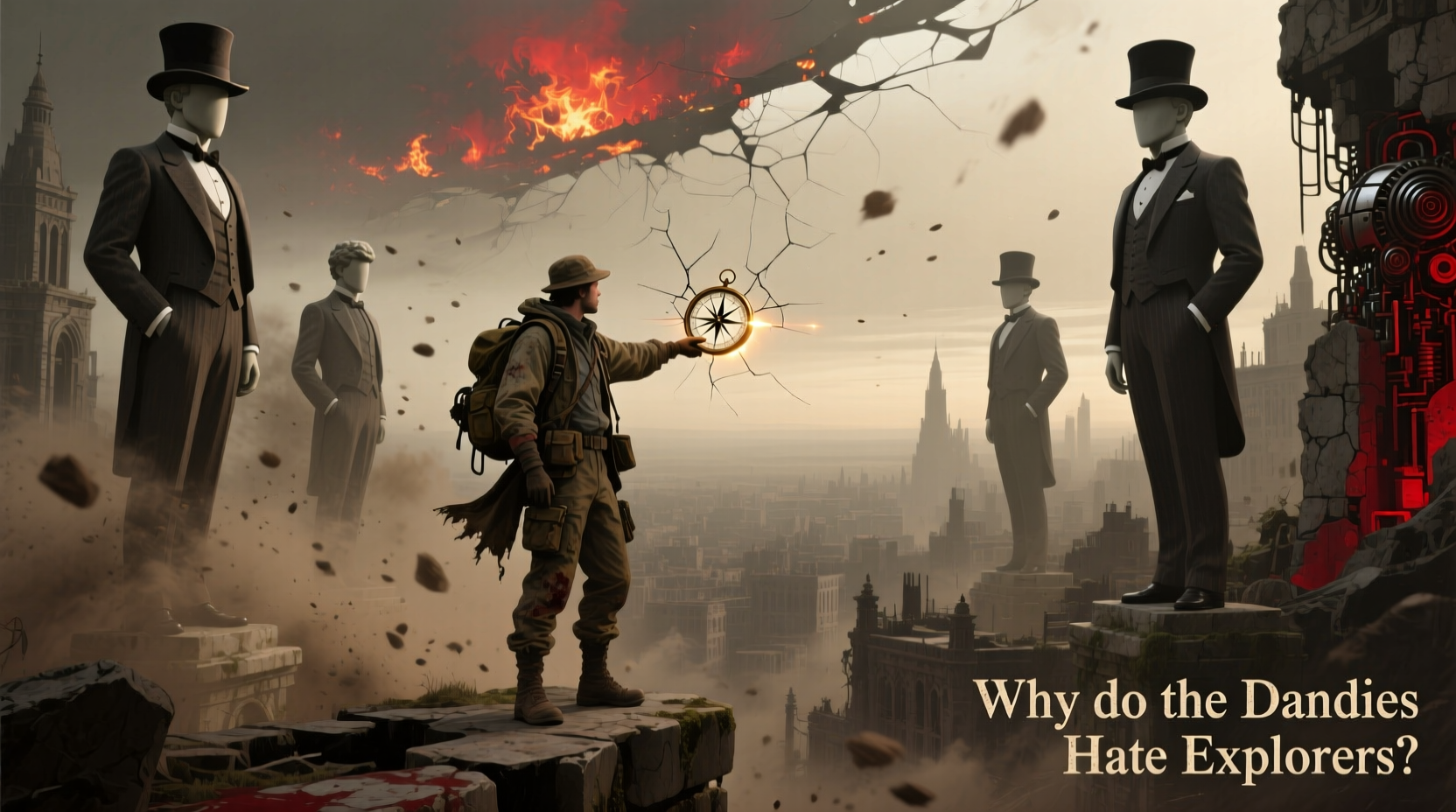
The Dandy’s World built its reputation on calling out flaws in mainstream games—overpriced DLCs, broken mechanics, misleading marketing. For years, viewers saw the channel as an ally, someone who articulated their own grievances with precision and flair. That alignment created a shared identity: “We are the players who see through the hype.”
But when the channel shifts focus to examine *why* certain players dislike specific games—especially those already maligned by core fans—the tone changes. Suddenly, The Dandy isn’t just criticizing a game; they’re analyzing the critics. This subtle pivot transforms the audience from allies into subjects. Fans feel scrutinized, even mocked, as if their anger is being dissected rather than validated.
As media scholar Dr. Lena Pruitt observes,
“Fan communities form around moral clarity—right versus wrong, good game versus bad. When a trusted voice introduces nuance, it can feel like betrayal, even if the analysis is fair.” — Dr. Lena Pruitt, Digital Culture Researcher
Perceived Legitimization of Toxic Behavior
One major concern among viewers is that dissecting player dislike risks legitimizing extreme or toxic reactions. If a video spends five minutes unpacking rage over a character redesign in a beloved franchise, some fans worry it amplifies fringe outrage. They argue that giving airtime to hyperbolic complaints—even to critique them—feeds the very toxicity the community resents.
For example, a segment exploring backlash against a gender-swapped protagonist might include clips of vitriolic comments. Even if The Dandy condemns those views, the mere inclusion feels like platforming. Critics say this turns nuanced discussion into spectacle, rewarding outrage with attention.
Worse, some viewers suspect algorithmic motives: controversial takes drive engagement. When a video titled “Why Players Hated [X Game]” gains traction, it may seem less about insight and more about clicks—betraying the channel’s original mission of integrity-driven critique.
Audit of Expectations: What Fans Want vs. What Creators Explore
To understand the disconnect, consider what different stakeholders expect from content like “Exploring Player Dislike.”
| Audience Expectation | Creator Intent | Potential Conflict |
|---|---|---|
| Validation of their opinion | Analysis of social behavior | Feeling dismissed or misunderstood |
| Clear moral stance (good/bad) | Exploration of gray areas | Perceived fence-sitting or neutrality |
| Defense of community values | Critique of groupthink | Sense of internal betrayal |
| Entertainment with edge | Educational or sociological depth | Boredom or frustration with tone |
This mismatch explains much of the resentment. Fans tune in expecting a fellow critic; instead, they get a cultural anthropologist. The shift feels jarring—not because the content is poor, but because it violates unspoken contracts about role and responsibility.
Case Study: The “Elden Ring: Shadow of the Erdtree” Backlash Analysis
In June 2024, The Dandy’s World released a video titled “Why Players Are Already Hating Elden Ring’s DLC.” Despite Elden Tree receiving largely positive reviews, a vocal minority criticized its difficulty curve and lore density. The Dandy explored these complaints, contextualizing them within broader trends: sequel fatigue, rising player expectations, and the myth of the “perfect Soulslike.”
Reaction was swift. Within 48 hours, the comment section amassed over 12,000 replies. Top comments included:
- “You used to call out lazy sequels. Now you’re defending them?”
- “Spending 3 minutes on ‘difficulty whiners’ doesn’t mean the criticism isn’t valid.”
- “This feels like damage control for FromSoftware.”
Yet, buried in the replies, others praised the nuance: “Finally, someone asking *why* we rage instead of just adding fuel.”
The divide highlighted a core truth: part of the audience wants advocacy; another wants introspection. The Dandy attempted both—and pleased neither camp entirely. But the backlash wasn’t just about content quality. It was about identity erosion. Longtime fans felt replaced by a new kind of viewer—one interested in psychology over passion.
How Creator Evolution Clashes with Fan Nostalgia
Every successful creator evolves. The Dandy’s early videos were raw, fast-paced rants against industry greed. Over time, production improved, research deepened, and the tone matured. What began as protest art became analytical commentary.
But evolution alienates nostalgia-driven fans. They don’t just want better content—they want the same content, refined. When a creator grows beyond their roots, a portion of the audience interprets it as abandonment.
This phenomenon isn’t unique. It echoes reactions to YouTubers like FilmJoy transitioning from hot takes to literary analysis, or journalists shifting from activism to reportage. Growth is inevitable, but it demands re-negotiation of trust.
Step-by-Step: Rebuilding Trust After Audience Fracture
- Clarify Intent Early: Open videos with a clear statement of purpose. “This isn’t defending the game—it’s examining why criticism emerged so fast.”
- Acknowledge Core Values: Remind viewers of foundational beliefs. “We still demand accountability from developers.”
- Segment Content: Use titles and thumbnails that signal depth, not provocation. Avoid click-driven phrasing like “Players Are WRONG About…”
- Engage Directly: Host community posts explaining editorial choices. Transparency reduces suspicion.
- Create Dual Tracks: Offer both passionate critique videos and analytical deep dives, clearly labeled for different viewer preferences.
Frequently Asked Questions
Does analyzing player dislike mean supporting bad games?
No. Understanding why people dislike something doesn’t require agreement. Medical researchers study disease without endorsing it. Similarly, critiquing the *nature* of backlash isn’t the same as dismissing legitimate concerns.
Why do fans react so strongly to neutral analysis?
Gaming communities often see themselves as under siege—from corporate greed, censorship, or “inauthentic” design. When a trusted voice pauses to understand the opposition, it can feel like defection, even if no立场 is changed.
Can a creator balance critique and analysis without losing their audience?
Yes—but it requires consistency, communication, and segmentation. Channels like PBS Game/Show and Jacob Geller maintain credibility by clearly framing their goals: education first, advocacy second.
Conclusion: Beyond the Backlash
The tension around “Exploring Player Dislike” isn’t really about any single video. It’s a symptom of growing pains in digital criticism. As gaming matures, so must its discourse. Rage-filled rants have their place, but so do thoughtful inquiries into why we rage at all.
The Dandy’s World stands at a crossroads: remain a champion of fan sentiment, or evolve into a commentator on culture itself. There’s value in both roles—but not simultaneously for the same audience.
For viewers, the challenge is equally real. Can we support creators who grow beyond our expectations? Can we tolerate complexity, even when simplicity feels safer?




 浙公网安备
33010002000092号
浙公网安备
33010002000092号 浙B2-20120091-4
Comments
No comments yet. Why don't you start the discussion?