
The phrase “why this mf look so mad” has exploded across social media platforms, appearing in captions, comments, and reaction videos with near-ubiquitous frequency. At first glance, it seems like just another absurdist internet quip. But beneath its grammatically loose construction lies a cultural timestamp—a reflection of digital tone, generational humor, and the way online communities repurpose language for comedic and emotional effect. To understand why this meme resonates so widely, we need to trace its origins, dissect its linguistic quirks, and examine how it functions in modern discourse.
The Birth of a Viral Phrase
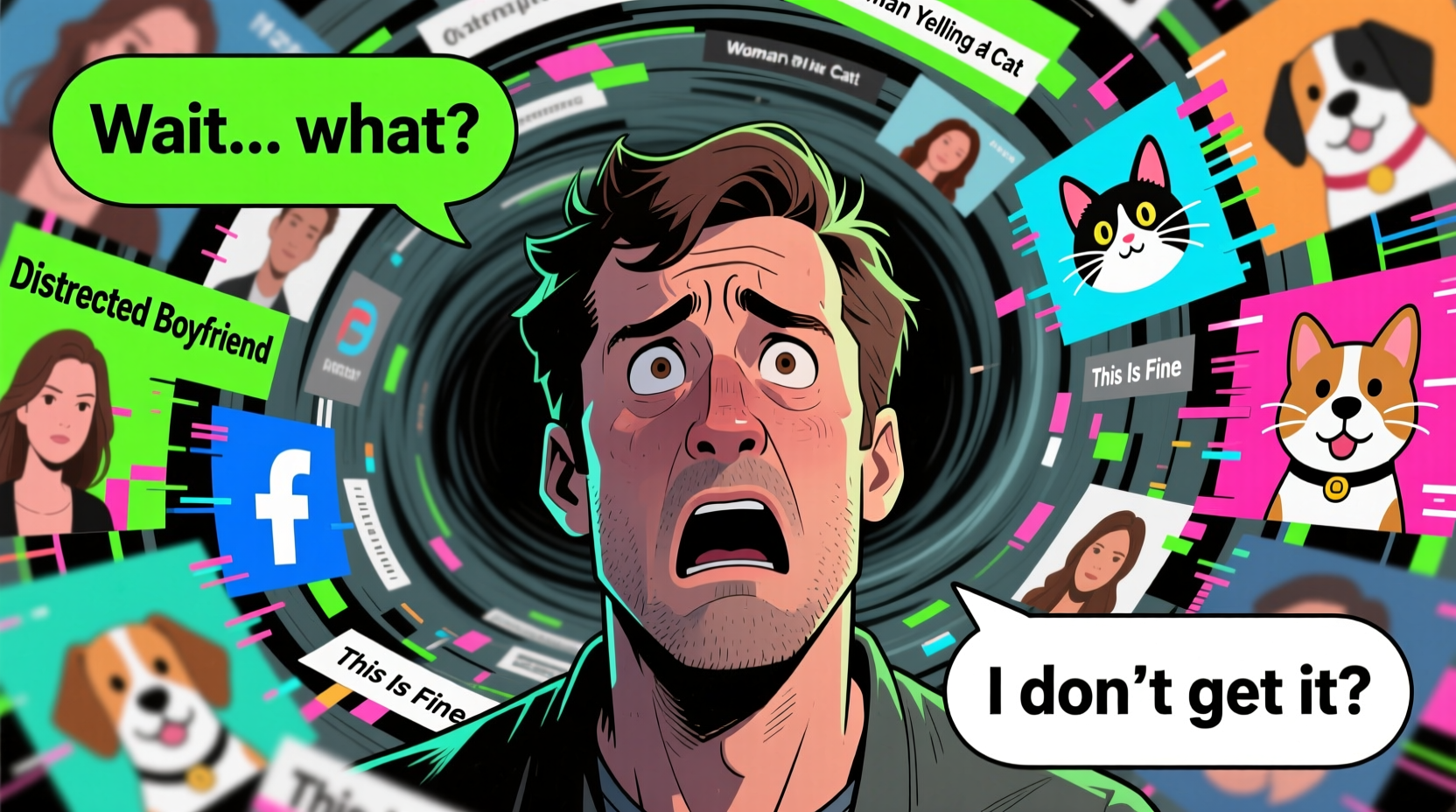
The earliest known uses of “why this mf look so mad” emerged from Black Twitter and TikTok comment sections around late 2022. It wasn’t coined by a single user but rather evolved organically through repeated use in response to photos or videos of people—often public figures—displaying intense or unexplained expressions. The phrasing deliberately avoids standard grammar (“this mf” instead of “this motherf***er”), mimicking casual speech patterns common in African American Vernacular English (AAVE) and internet slang.
One of the first documented instances appeared under a video of a visibly irritated man at a music festival, captioned: “bro why this mf look so mad??” The post gained traction not just for the image, but for the way the question framed an absurd observation as both humorous and oddly profound. From there, the phrase was applied to politicians, celebrities, pets, and even statues—any subject that could be interpreted as “looking mad” without context.
“Memes like ‘why this mf look so mad’ thrive because they turn passive observation into participatory comedy. It’s not just about the face—it’s about inviting others to speculate, exaggerate, and co-create the joke.” — Dr. Naomi Pierce, Digital Culture Researcher at Stanford University
Linguistic Breakdown: Why the Grammar Works
At first glance, the sentence appears incorrect. Standard English would demand: “Why does this motherf***er look so mad?” Yet the meme’s power lies precisely in what it *doesn’t* say. By dropping auxiliary verbs and using clipped syntax, the phrase mirrors real spoken language—especially in informal, youth-driven digital spaces.
This kind of grammatical minimalism is common in internet linguistics. It creates immediacy. Consider similar constructions:
- “how he gone do that”
- “she really said that??”
- “who this lil man think he is”
These phrases aren’t mistakes—they’re stylistic choices rooted in rhythm, tone, and cultural authenticity. In the case of “why this mf look so mad,” the lack of formal structure amplifies the humor. It sounds like someone reacting in real time, mid-scroll, muttering under their breath. That rawness is key to its appeal.
Evolution and Variations
Like all successful memes, “why this mf look so mad” didn’t stay static. Within months, it branched into dozens of variations:
- “why everybody lookin’ at this mf like he owe them money”
- “why this mf always look pressed?”
- “why this whole group look like they just heard bad news”
- “why this dog look like he got opinions”
The formula became a template: [Observation] + [Subject] + [Emotional State]. This flexibility allowed creators to apply it to virtually any situation where someone—or something—appeared emotionally charged without explanation.
Platforms accelerated the spread. On TikTok, users paired the phrase with zoom-ins on awkward red-carpet moments. On X (formerly Twitter), it appeared in threads roasting political gaffes. Instagram memes used it over paparazzi shots of celebrities mid-sneer. Each iteration reinforced the meme’s core function: to highlight the unspoken tension in a facial expression and invite collective interpretation.
Cultural Context and Controversy
While widely adopted, the meme hasn’t been without criticism. Some argue that its reliance on AAVE-influenced grammar—particularly when used by non-Black creators—edges into linguistic appropriation. The phrase gains credibility and humor from its roots in Black digital expression, yet many who replicate it don’t acknowledge that lineage.
This tension reflects a broader issue in meme culture: the rapid dissemination of Black-created content without credit or context. As Dr. Pierce notes, “When a phrase like this goes mainstream, it often gets stripped of its cultural specificity. What starts as insider humor becomes diluted, sometimes even mocked, by audiences who don’t understand its origins.”
Still, others defend its use as a form of linguistic democratization. In their view, internet language evolves through remixing, and no single group owns a meme once it enters the public sphere. The debate underscores a central paradox of digital communication: memes are both deeply cultural and inherently viral, making ownership difficult to define.
Step-by-Step Guide to Understanding the Meme’s Impact
- Identify the Source Context: Look for early uses in Black-dominated online spaces like Twitter or niche TikTok communities.
- Analyze the Tone: Is it observational? Sarcastic? Empathetic? The humor often comes from exaggerated empathy toward a stranger’s mood.
- Track the Spread: Note when and how it crossed into mainstream platforms. Was it picked up by influencers? News outlets?
- Examine Derivative Forms: How has the phrase been adapted? Are new versions adding layers of meaning?
- Assess Cultural Response: Has it sparked discussion about race, language, or digital ethics?
Do’s and Don’ts of Using the Meme Responsibly
| Do | Don’t |
|---|---|
| Use it in contexts where the humor is light and inclusive | Apply it to real people in ways that could promote harassment |
| Credit the cultural roots when discussing its origin | Mock the grammar as “incorrect” without understanding its stylistic purpose |
| Adapt it creatively while respecting its tone | Use it in professional or sensitive settings without caution |
| Engage with its evolution as part of internet linguistics | Assume it’s “just a joke” without recognizing its cultural weight |
Mini Case Study: The Politician Edition
In early 2023, a photo of a U.S. senator scowling during a congressional hearing went viral. Posted with the caption “why this mf look so mad,” the image was shared over 200,000 times in 48 hours. Memers speculated wildly: Was he angry about policy? Did someone steal his lunch? Was he haunted by past decisions?
What made this instance notable was how it shifted public perception. The senator, previously seen as stoic, was suddenly humanized—and slightly ridiculous—through the lens of the meme. His staff later acknowledged the moment in a lighthearted tweet, saying, “He was just tired and wanted a coffee.” The exchange demonstrated how memes can soften political figures, turning tense imagery into relatable comedy.
Frequently Asked Questions
Is “why this mf look so mad” offensive?
Not inherently. Like many slang-heavy phrases, its offensiveness depends on context and intent. When used playfully among peers, it’s typically harmless. However, applying it to vulnerable individuals or using it mockingly can cross ethical lines.
Can I use this meme in my content?
Yes, but with awareness. If you’re outside the cultural communities that popularized it, consider how your usage might be perceived. Avoid profiting directly from the phrase without acknowledging its roots.
Will this meme last?
Memes have short lifespans, but their influence often outlives their peak popularity. Even if “why this mf look so mad” fades from feeds, its structural format—blunt emotional inquiry—will likely inspire future iterations.
Conclusion: More Than Just a Joke
“Why this mf look so mad” is more than a throwaway caption. It’s a linguistic artifact of our time—a blend of humor, observation, and cultural nuance packaged in five words. Its rise reflects how internet communities use language to build shared understanding, often bypassing formal rules in favor of emotional authenticity.
Understanding memes like this isn’t just about keeping up with trends. It’s about recognizing how digital expression shapes communication, identity, and even empathy in the online world. Whether you’re creating content, studying culture, or just scrolling for laughs, paying attention to these micro-moments offers insight into the evolving soul of the internet.




 浙公网安备
33010002000092号
浙公网安备
33010002000092号 浙B2-20120091-4
Comments
No comments yet. Why don't you start the discussion?