
Tillamook cheese has earned a loyal following across the United States for one simple reason: it tastes exceptional. Whether sliced on a sandwich, melted over a burger, or served on a charcuterie board, its rich, creamy, and balanced flavor stands out. But what exactly makes Tillamook different from other cheeses? The answer lies in a combination of heritage, sourcing, craftsmanship, and an unwavering commitment to quality that spans nearly a century.
Founded in 1909 by a group of Oregon dairy farmers, the Tillamook County Creamery Association (TCCA) began as a cooperative effort to ensure fair pricing and consistent standards. Over time, this mission evolved into a reputation for excellence—one built not on marketing gimmicks, but on real, tangible choices in how milk is sourced, aged, and transformed into cheese.
The Role of High-Quality Milk
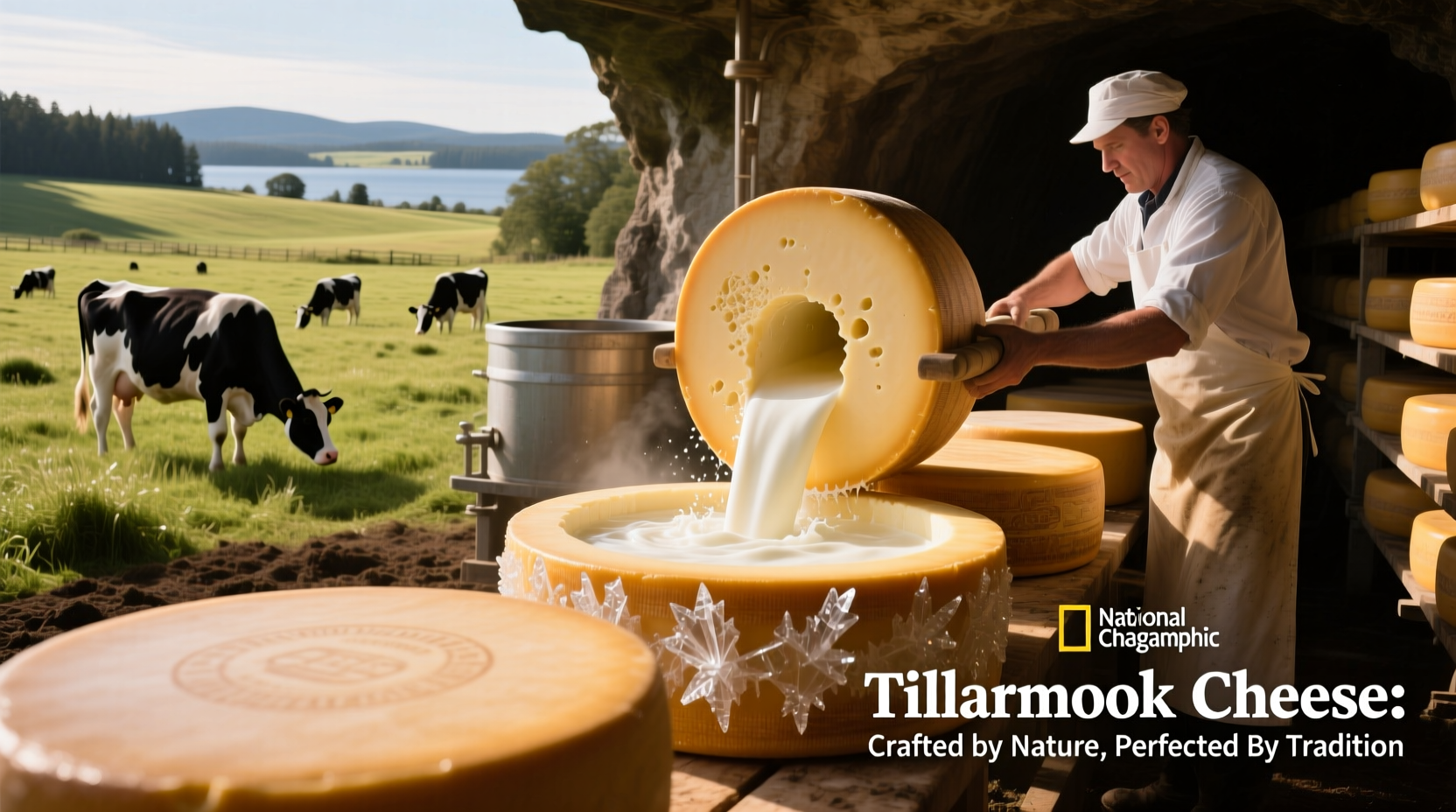
The foundation of any great cheese is high-quality milk, and Tillamook starts with one of the best sources available. All milk used in Tillamook products comes from cows raised in Oregon’s lush coastal valleys, where mild temperatures, abundant rainfall, and nutrient-rich pastures create ideal grazing conditions.
These cows are not treated with artificial growth hormones (rBST-free), and the farms supplying Tillamook adhere to strict animal welfare and environmental standards. This attention to animal care translates directly into the composition of the milk—higher levels of butterfat and protein, which contribute to a creamier texture and deeper flavor in the final cheese product.
Craftsmanship and Aging Process
Tillamook’s cheese-making process blends tradition with precision. While automation handles some aspects of production, experienced cheesemakers still oversee critical stages like curd cutting, salting, pressing, and aging. Their expertise ensures consistency while allowing subtle variations that enhance flavor development.
Aging is where much of the magic happens. For example, Tillamook’s Extra Sharp Cheddar is aged for a full 14 months. During this time, enzymes break down proteins and fats, creating sharp, nutty, and slightly tangy notes that define mature cheddar. The longer aging process intensifies flavor without sacrificing smoothness—a hallmark of well-crafted cheese.
Temperature and humidity in the aging rooms are carefully controlled, mimicking traditional European cellars. Each wheel is regularly turned and monitored to ensure even maturation. This hands-on approach prevents flaws and allows the cheese to develop complexity over time.
Consistency Through Cooperative Standards
As a farmer-owned cooperative, Tillamook operates differently than corporate dairy brands. The farmers who supply milk also own the brand, meaning their financial success is directly tied to product quality. This alignment creates powerful incentives to maintain high standards at every level.
The TCCA enforces rigorous testing protocols. Every batch of milk is analyzed for freshness, bacteria levels, and composition before being accepted. Any deviation from standards results in rejection—no exceptions. This uncompromising policy ensures that only the cleanest, richest milk goes into production.
“Quality isn’t a department at Tillamook—it’s the job of everyone from the farmer to the cheesemaker.” — Dr. Laura Chenel, Dairy Science Consultant
Flavor Profiles Across Varieties
Tillamook offers a range of cheeses, each with distinct characteristics shaped by aging time and recipe. Below is a comparison of popular varieties and their taste attributes:
| Cheese Type | Aging Time | Flavor Profile | Best Uses |
|---|---|---|---|
| Medium Cheddar | 4–6 months | Balanced, mildly tangy, creamy | Sandwiches, mac and cheese, snacking |
| Sharp Cheddar | 9 months | Bold, tangy, slightly nutty | Burgers, omelets, cheese boards |
| Extra Sharp Cheddar | 14 months | Intense, sharp, complex, savory | Cooking, pairing with wine, grating |
| Havarti | 3–5 months | Buttery, mild, slightly sweet | Melting, sandwiches, cold dishes |
| Pepper Jack | 3–5 months | Creamy with spicy jalapeño kick | Tacos, quesadillas, grilled cheese |
This variety allows consumers to match specific cheeses to their culinary needs, but all share a common thread: a clean finish and absence of bitterness or off-notes—common flaws in lower-grade processed cheeses.
Real Example: A Diner’s Discovery
In Portland, a local diner known for its grilled cheese sandwiches switched from a national grocery-brand cheddar to Tillamook Medium after customer complaints about “rubbery melt” and “chalky aftertaste.” Within two weeks, repeat orders increased by 30%, and online reviews highlighted the “rich, gooey center” and “real cheese flavor.”
The owner noted that while Tillamook cost slightly more per pound, the improved satisfaction and reduced waste (due to better melting and fewer returns) made it a clear winner. This small-scale case illustrates how superior ingredients and craftsmanship can elevate even the simplest dish.
Step-by-Step: How Tillamook Cheese Is Made
- Milk Collection: Fresh milk is delivered daily from TCCA-member farms within a 50-mile radius of the Tillamook creamery.
- Pasteurization: Milk is gently heated to eliminate harmful bacteria while preserving natural enzymes.
- Coagulation: Rennet is added to separate curds from whey.
- Curd Processing: Curds are cut, cooked, stirred, and drained to achieve desired moisture content.
- Salting & Milling: Salt is mixed in for flavor and preservation; curds are milled into small pieces.
- Pressing: Curds are placed into molds and pressed into blocks under controlled pressure.
- Aging: Blocks are moved to temperature- and humidity-controlled aging rooms for months.
- Testing & Packaging: Each batch is tasted and tested before slicing, shredding, or packaging.
This meticulous process ensures that every block of Tillamook cheese meets the same high standard, regardless of when or where it was produced.
Frequently Asked Questions
Is Tillamook cheese made with pasteurized milk?
Yes, all Tillamook cheese is made from pasteurized cow’s milk. This ensures safety and consistency while still allowing for full flavor development during aging.
Why does Tillamook taste sharper than other store-bought cheddars?
The extended aging process—up to 14 months for Extra Sharp Cheddar—allows more time for flavor compounds to develop. Many mass-market brands age cheddar for only a few months, resulting in a milder, less complex taste.
Is Tillamook cheese gluten-free and suitable for sensitive diets?
Yes, Tillamook natural cheeses are gluten-free, rBST-free, and contain no artificial growth hormones. They are also free of added preservatives, making them a cleaner choice for health-conscious consumers.
Checklist: How to Choose and Enjoy Better Cheese
- ✔️ Look for cheeses made from hormone-free, high-butterfat milk
- ✔️ Check aging time—longer-aged cheddars offer deeper flavor
- ✔️ Avoid products labeled “cheese food” or “pasteurized prepared cheese product”
- ✔️ Store cheese wrapped in wax or parchment paper in the refrigerator’s dairy drawer
- ✔️ Bring to room temperature for 30 minutes before serving to enhance aroma and taste
- ✔️ Pair sharp cheddars with apples, honey, or dry cider for balanced flavor experiences
Conclusion: Taste the Difference That Care Makes
Tillamook cheese tastes so good because it’s made with purpose—not just to be sold, but to be savored. From pasture to plate, every decision prioritizes quality over convenience. It’s a rare example of a large-scale brand maintaining artisan-level integrity through cooperative ownership, transparent sourcing, and time-honored techniques.
If you’ve ever wondered why some cheeses leave a lasting impression while others vanish from memory after one bite, Tillamook offers a masterclass in what’s possible when flavor is non-negotiable.




 浙公网安备
33010002000092号
浙公网安备
33010002000092号 浙B2-20120091-4
Comments
No comments yet. Why don't you start the discussion?